
Plants
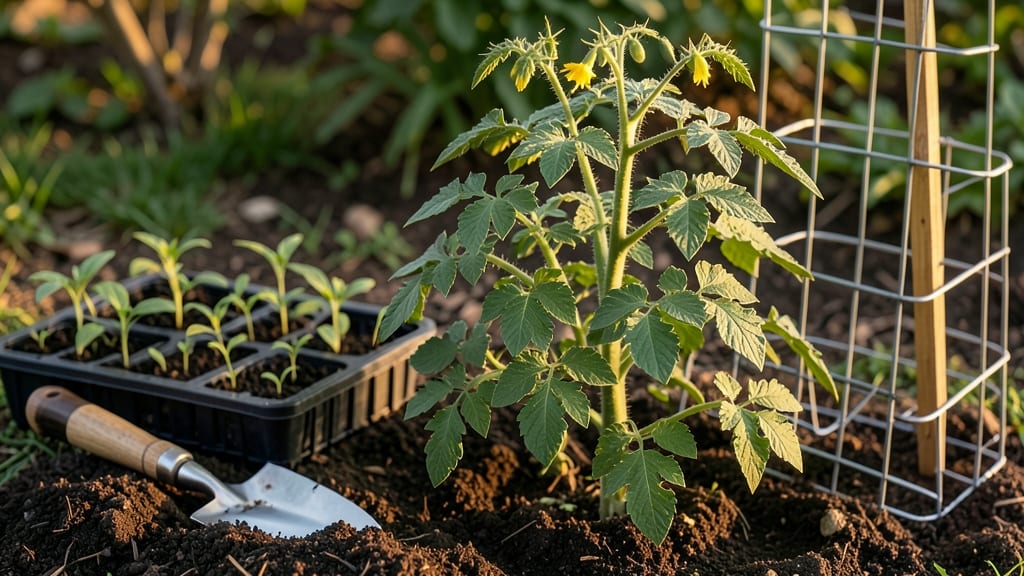
Planting tomatoes in North Carolina isn't just about throwing seeds in the dirt—it's about timing them perfectly to avoid frost while maximizing your harvest.
Whether you're growing 🍅 in the Piedmont or the Coastal Plain, getting the window right means the difference between a bountiful summer and a sad, wilted disappointment.
Most gardeners in NC's 7a-8b zones know the golden rule: wait until mid-April to early June after the last frost, but here's the catch—your exact timing depends on your local microclimate.
Too early, and a late frost will fry your seedlings; too late, and you'll miss the sweet spot for peak flavor and yield.
I've spent years perfecting my planting schedule, and what I'm about to share will help you avoid common mistakes that ruin tomato crops.
From calculating your personal frost-free window to choosing the right varieties for NC's heat and humidity, we'll cover everything you need to know for a foolproof harvest.
Ready to transform your garden into a tomato powerhouse? Let's dive into the exact weeks you should plant, plus pro tips to extend your season and protect your plants from NC's unpredictable weather patterns.
NC last frost dates by Zone: exact weeks before planting tomatoes
North Carolina’s diverse climate zones (6a to 8b) mean your last frost date could vary by 3-4 weeks—critical when planning your tomato planting window. In Zone 7a (western mountains), frost lingers until mid-April, while Zone 8b (coastal areas) sees frost-free soil by early March.
Planting 2-4 weeks before your last frost ensures seedlings survive while giving them time to establish roots before summer heat arrives.
For maximum yield, aim to transplant tomato seedlings when soil temperatures hit 60°F consistently. This typically lands in late April to early May for most of NC, but microclimates (like urban heat islands or sheltered valleys) can shift your timeline by 1-2 weeks.
Always check NC State Extension resources for your county’s specific data—it’s the most accurate guide.
Here’s a zone-by-zone breakdown of last frost dates and your ideal planting window for tomatoes, including adjustments for fall planting (August for second harvests).
| USDA Zone | Last Frost Date | Planting Window (Spring) | Planting Window (Fall) | Notes |
|---|---|---|---|---|
| 6a (Mountains: Boone, Asheville) | Mid-April | May 1-15 | August 1-15 | Cooler nights; use cold-hardy varieties like 'Mountain Merit'. |
| 7a (Piedmont: Raleigh, Greensboro) | Late March | April 15-May 1 | July 31-August 10 | Moderate humidity; mulch heavily to retain moisture. |
| 7b (Coastal Plains: Fayetteville, Goldsboro) | Early April | April 1-May 1 | July 20-August 5 | Higher humidity; choose disease-resistant varieties. |
| 8a (Eastern NC: Wilmington, Jacksonville) | Mid-March | March 20-April 15 | July 10-July 30 | Longer growing season; can plant heat-tolerant varieties. |
| 8b (Outer Banks, Coastal NC) | Early March | March 10-April 1 | June 20-July 15 | Warmer winters; may need shade cloth in peak summer. |
If you’re direct sowing seeds (instead of transplanting seedlings), start 4-6 weeks before your last frost date. Seeds need warm soil (70°F+) to germinate, so Zone 6a gardeners might wait until late May for direct sowing, while Zone 8b growers can start as early as March under row covers.
For container gardening, use black plastic pots to warm soil faster.
Pro tip: NC’s coastal areas often experience earlier last frosts than inland zones due to ocean breezes. Use a soil thermometer to confirm 60°F soil temps before planting—this beats guessing.
For mountain zones, late spring frost pockets can linger, so have row covers ready for 2-3 weeks after transplanting.
For fall planting, aim to transplant 8-10 weeks before your first frost (typically late July to early August).
This gives tomatoes time to mature before cooler temps trigger blossom end rot. Heat-tolerant varieties like 'Celebrity' or 'Solar Fire' perform best in NC’s summer heat and still produce into October.
Don’t forget: Microclimates matter. A south-facing slope warms up 1-2 weeks faster than a north-facing garden. If you’re unsure, check NC State Extension’s Plant Tool (link) for your exact location. It’s the gold standard for NC-specific planting advice.
🌱
How to calculate your personal planting timeline (even if you’re not a pro)
North Carolina’s last frost dates vary by region, but even within zones, your microclimate matters. If you’re unsure about your exact planting window, don’t worry—I’ll walk you through a foolproof method using free tools and local data.
Start by checking the NC State Extension’s frost date maps for your county, then adjust based on your yard’s unique conditions.
First, grab a soil thermometer (they’re cheap and game-changing). Tomatoes need soil that’s at least 60°F—cold soil stunts root growth, even if air temps feel warm. Test your soil in the morning for 3 days in a row.
If it’s consistently above 60°F, you’re ready to plant. Pro tip: Dark, wet soil reads cooler than dry soil, so test after a light rain.
Next, use the NC Climate Office’s frost probability tool (search “NC frost risk” online). This gives you a 10% frost risk date, which is your safest bet for transplanting.
For example, in Zone 7b, this might be April 15, but in Zone 8a, it could be as late as May 1. Write these dates on your calendar—this is your planting deadline.
Your Step-by-Step Planting Timeline
- 📅 6-8 Weeks Before Last Frost: Start indoor seedlings (or buy healthy transplants). Use grow lights if natural light is weak.
- 🌡️ 3 Weeks Before Last Frost: Harden off seedlings by placing them outside for 2-3 hours daily, gradually increasing time.
- 🌱 2 Weeks Before Last Frost: Test soil temp—it must stay above 60°F for 5+ days. Prepare beds with compost and mulch.
- ⏰ 1 Week Before Last Frost: Plant heat-loving varieties like ‘Celebrity’ or ‘Better Boy’ in warmest microclimates (e.g., near south-facing walls).
- 🌿 After Last Frost: Transplant all remaining seedlings. Use row covers if nights are still chilly (<50°F).
For fall tomatoes, aim to plant seeds 85-90 days before your first frost (usually late July to early August). Use fast-maturing varieties like ‘Early Girl’ or ‘Stupice’ to squeeze in a second harvest.
If you’re in Zone 8a or warmer, you might even get a third planting in September!
Don’t have a thermometer? No problem. Observe your neighbors’ azalea bushes—they bloom after the last frost in most of NC. Once they’re in full bloom, it’s safe to plant heat-sensitive tomatoes like ‘Cherokee Purple’.
For extra protection, use floating row covers for the first 2 weeks to shield tender seedlings from unexpected cold snaps.
Remember: Soil warmth > air temperature. Even if the weather forecast says “70°F,” if your soil is still 55°F, your tomatoes will struggle. When in doubt, wait one more week. A delayed planting is better than a failed crop! 🌱