
Plants
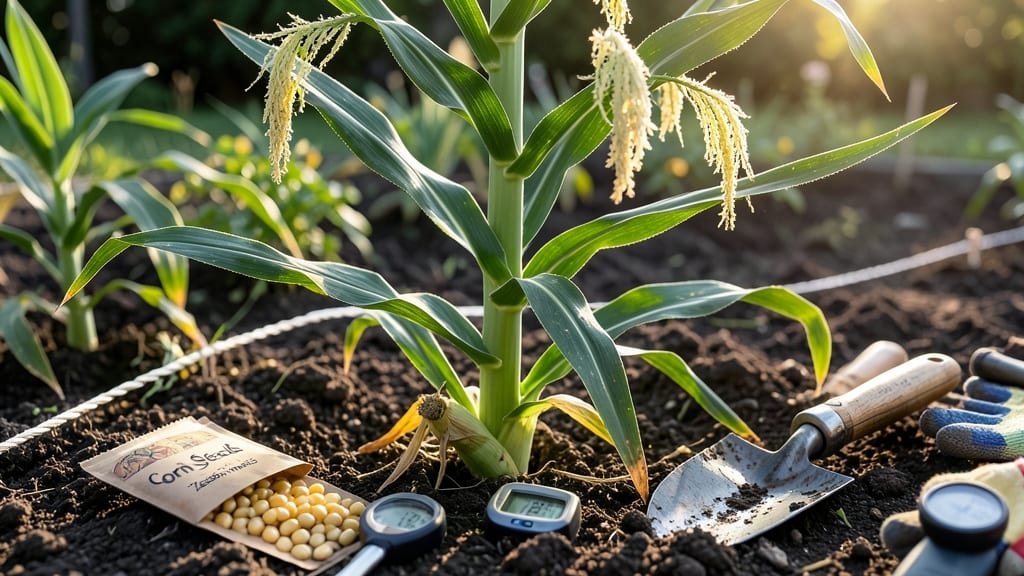
Planting corn in Zone 5 at the wrong time can turn your 🌽 dreams into a sad, stunted mess—but get the timing right, and you’ll be feasting on golden ears by summer.
The key isn’t just waiting for the calendar to say "May"; it’s about soil temperature, and most gardeners miss the mark by weeks.
Corn hates cold soil, and if you plant too early, those seeds will just rot in the damp ground. Wait until the dirt reaches at least 60°F, and you’ll see 90% germination success—no more wasted seed packets or half-hearted sprouts.
In Zone 5, that usually means holding off until late April or early May, but don’t guess: test your soil first.
Here’s the game-changer: even if frost warnings linger, your corn will thrive as long as the ground is warm enough. I’ll show you exactly how to time it—whether you’re direct-sowing or using transplants—and keep those ears growing strong until harvest. No more second-guessing, just a bountiful harvest.
Ready to stop the guesswork? Let’s break down the perfect planting window for your Zone 5 garden, so you can enjoy sweet corn straight from your backyard this summer.
Zone 5 corn planting calendar: exact dates based on last frost
In Zone 5, the last frost date is your first clue—but don’t plant just because the calendar says spring. Corn needs warm soil, not just warm air, and cold soil will kill your seeds before they sprout.
Most Zone 5 gardeners see their last frost between mid-April and early May, but that’s just the starting point.
For early-maturing varieties (like 'Early Sunglow' or 'Silver Queen'), you can plant as soon as the soil hits 50°F—usually 2–3 weeks after last frost.
But if you’re growing late-season varieties (like 'Black Aztec' or 'Country Gentleman'), wait until late May or early June to avoid frost damage before harvest.
Here’s the catch: frost dates vary 1–2 weeks across Zone 5. Cities like Chicago might see frost until May 15, while Pittsburgh could be frost-free by May 1. Use your local USDA frost map or check with your Cooperative Extension Service for precise dates.
Pro tip: If you’re unsure, plant a few test seeds in late April. If they sprout in 7–10 days, your soil’s warm enough for the full crop. If not, wait another week.
If you’re planting transplants (not direct-sowing), start seeds indoors 4–6 weeks before your last frost date. But be warned: corn transplants poorly—they shock easily, so direct-sowing is always better for Zone 5.
For succession planting, sow new seeds every 2 weeks until early June. This stretches your harvest from July to September, ensuring fresh ears all summer long. Just make sure each batch gets planted when soil temps hit 60°F.
One more tip: If you’re in a microclimate (like a south-facing slope), your soil warms faster. Test it with a soil thermometer—if it’s 60°F+, plant early. If it’s still cold, wait.
Timing is everything. Get this right, and you’ll have ears of sweet corn ready to pick by midsummer—no more store-bought sadness. 🌽
Soil temperature triggers for corn germination in Zone 5
Corn seeds won’t sprout until the soil warms up to at least 50°F, but for 90% germination success, aim for 60°F or higher. In Zone 5, this usually means waiting until late April or early May—unless you’re using a cold-hardy variety like ‘Early Sunglow’ or ‘Golden Bantam’.
Cold soil slows germination and invites rot, so don’t rush planting just because frost dates have passed.
Ideal growing conditions kick in when soil temperatures hit 65–85°F, which is when corn really takes off. This typically aligns with mid-to-late May in most of Zone 5, but urban areas like Chicago may need to wait another week compared to rural spots near Pittsburgh.
Always check your local USDA frost map for precise timing.
🌱
Corn Soil Temperature Needs
✅ 60–65°F: Slow but reliable germination
🌿 65–85°F: Fast growth, strong roots
🔥 Above 85°F: Risk of stress, water needs spike
To test soil temperature without a fancy thermometer, try the candle wax test: melt a candle, dip a stick in it, and press it into the soil.
If the wax melts within 5 minutes, your soil is warm enough. For precise readings, invest in a $10 soil thermometer—it’s a game-changer for Zone 5 gardeners.
If your soil is still chilly by late May, consider black plastic mulch to warm it up faster. Lay it down a week before planting to raise soil temps by 5–10°F. Just remember to remove it once plants emerge to avoid overheating roots.
Once your corn is up, maintain soil temps between 65–85°F for optimal growth. Use straw mulch to keep roots cool during heatwaves, and water deeply in the morning to stabilize temperatures. A little extra care here means bigger ears and fewer pests.
💧