
Plants
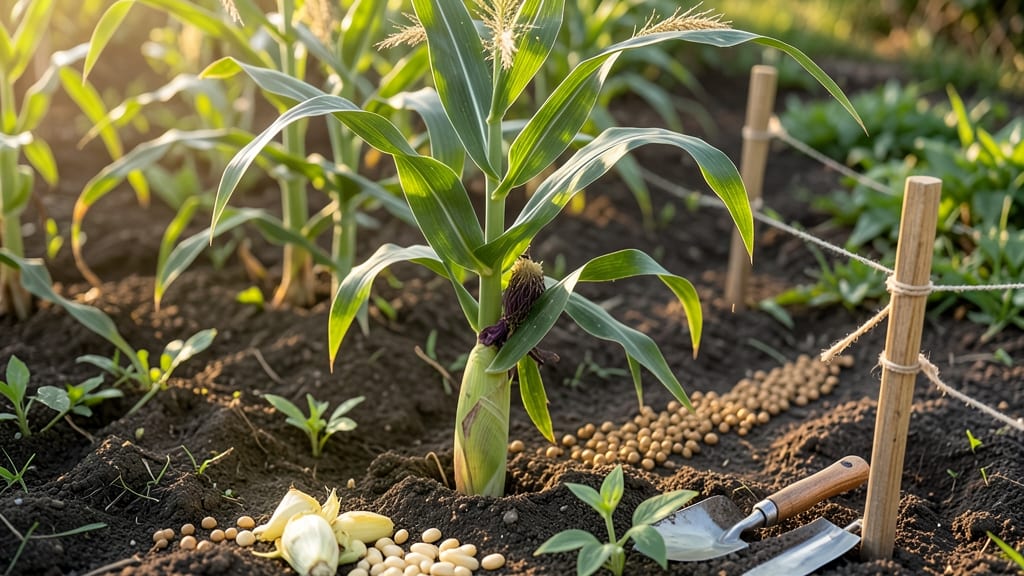
Timing your corn planting just right in Zone 5b could mean the difference between a lush, ear-filled stalk of 🌽 and a sad, stunted plant that never reaches its potential.
With Zone 5b's unpredictable spring weather—where last frost can swing from mid-April to early May—getting those seeds in the ground too early risks frost damage, while planting too late might leave you with a short harvest window before summer heat sets in.
I've tested the best strategies for Zone 5b gardens, and what works isn't just about dates—it's about soil temperature, variety selection, and even adjusting for your specific microclimate. Let me walk you through the exact steps to time your planting for maximum yield, no guesswork included.
From waiting for soil to warm to 60°F to choosing cold-hardy varieties like 'Early Sunglow,' you'll discover how to beat Zone 5b's challenges and grow corn that thrives from seed to harvest.
Zone 5b corn planting dates: exact frost-free timeline for sweet and field corn
Corn thrives in Zone 5b when planted at the right time—typically after the last frost when soil temperatures hit 50°F+. In this zone, average last frost dates fall around mid-April, but unpredictable weather means waiting until late April to early May for safer planting.
Sweet corn varieties like 'Silver Queen' or 'Early Sunglow' are ideal for cooler springs, while field corn may need a slightly later start.
For maximum yield, aim to plant 2-3 weeks after your last frost date. This ensures seedlings aren’t shocked by late frosts while giving them enough warmth to germinate. In Zone 5b, this usually translates to mid-April to early June, depending on your specific microclimate.
Early plantings (April) work best for short-season varieties, while late plantings (June) suit succession crops or extended harvest windows.
Soil temperature is more critical than air temperature for corn germination. Use a soil thermometer to confirm the ground has warmed to at least 60°F—corn seeds won’t sprout below 50°F.
In Zone 5b, this often aligns with late May in cooler pockets but can happen as early as mid-April in warmer microclimates. Cold soil delays germination and invites rot.
Here’s a quick reference for Zone 5b corn planting based on variety and frost risk:
| Variety Type | Optimal Planting Window | Soil Temp Requirement | Days to Maturity |
|---|---|---|---|
| Sweet Corn (Early) | Late April - Early May | 60°F+ | 60-75 days |
| Sweet Corn (Mid-Season) | Early May - Mid-May | 60°F+ | 75-90 days |
| Field Corn | Mid-May - Early June | 65°F+ | 90-120 days |
| Succession Planting | Every 2-3 weeks (May-June) | 60°F+ | 60-75 days |
If you’re planting succession crops for a continuous harvest, stagger your plantings every 2-3 weeks from May through June. This ensures fresh ears throughout the summer, even if your first planting faces frost. For example, plant a second batch in early June if your late-April crop struggles with cool soil.
Corn also benefits from warm soil, so consider using black plastic mulch or row covers to accelerate warming. In Zone 5b, this can shave off 1-2 weeks from your planting timeline.
Just remove covers once plants emerge to prevent overheating. Always monitor for pests like corn earworms, which thrive in warm conditions.
For field corn (used for livestock or grain), wait until mid-May to early June when soil is consistently above 65°F. These varieties have longer maturity times (90+ days) and need the extra warmth to develop properly.
Field corn is less sensitive to frost but requires consistent moisture during pollination for kernel set.
Pro tip: Use a planting calendar or local agricultural extension service for hyper-localized advice. Zone 5b spans diverse regions (e.g., Chicago vs. Pittsburgh), so your exact frost dates may vary by 1-2 weeks. Always have a backup plan like row covers for late frosts.
🌽
How to adjust corn planting for Zone 5b’s unpredictable spring weather
Zone 5b’s unpredictable spring frosts can derail even the best-laid corn planting plans. Unlike warmer zones, late frosts here often hit after your average last frost date—sometimes as late as May 10th. That’s why I’ve learned to adjust my timing and use protective strategies to shield tender seedlings.
First, check your local frost dates using the National Weather Service or a frost calendar for your specific county. In Zone 5b, the average last frost is mid-April, but late frosts can occur well into May. Planting too early risks losing your entire crop to frost damage.
Here’s my go-to strategy: Wait until soil reaches 60°F—corn seeds won’t germinate below 50°F, and slow growth makes them vulnerable. Use a soil thermometer to track warmth, especially in northern Zone 5b areas where cold snaps linger.
⚠️ Late Frost Warning
Zone 5b’s biggest risk: A May frost can kill seedlings in 24 hours. If nighttime temps drop below 32°F, cover plants with row fabric or a lightweight blanket.
For extra protection, I plant cold-tolerant varieties like 'Early Sunglow' (maturity: 65 days) or 'Silver Queen' (maturity: 70 days). These varieties can handle cooler soils and still produce ears before summer’s end. If you’re worried about short growing seasons, opt for early-maturing hybrids (under 80 days).
Another trick? Succession planting in two waves: Start with a small batch in late April (if soil is warm) and follow up with a main planting in early May. This spreads out your harvest and reduces risk. Just be ready to thin seedlings if the first batch struggles.
Finally, monitor your garden’s microclimate. South-facing beds warm up faster, while low-lying areas stay colder. If you notice yellowing leaves or stunted growth, your plants may be stressed from cold soil. In that case, add black plastic mulch to warm the soil 5-10°F faster.