
Plants
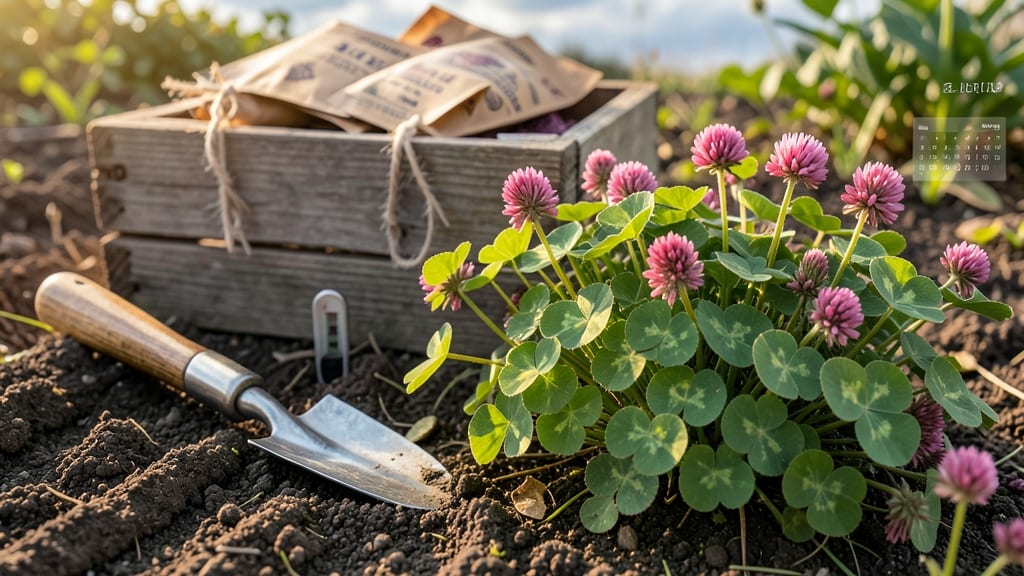
Planting crimson clover at the wrong time in Texas can mean the difference between a lush winter cover crop and wasted seeds. This vibrant 🌸 plant thrives when sown just right—too early, and it bolts in the heat; too late, and frost gets it before it establishes.
For Texas gardeners in zones 8a-10b, the ideal window is late summer to early fall, but the exact timing depends on your region.
Most Texas gardeners swear by August to September for fall plantings, giving seeds 4-6 weeks before the first frost to root deeply. In North Texas, that might mean starting in early August, while South Texas gardeners can stretch it to October.
Spring plantings are possible too, but they require patience—wait until February or March after the last frost threat passes.
Why does timing matter so much? Crimson clover needs cool soil to germinate, and Texas summers can fry fresh seeds before they sprout. The key is preparing your soil ahead of time—loosen it, test the pH, and ensure good drainage.
With the right prep, you’ll set this hardy plant up for success, whether you’re growing it for forage, pollinators, or soil health.
Ready to transform your Texas garden? I’ll walk you through the exact steps to plant crimson clover at the perfect moment, plus tips for overcoming common pitfalls like heat stress or poor germination. Let’s get those seeds in the ground when they’ll thrive.
Best fall planting months for crimson clover in Texas by region
Texas’s diverse climate means crimson clover planting timing varies dramatically from North Texas to South Texas. Get it wrong, and you’ll either bake your seeds in summer heat or freeze them before establishment.
The key? Planting 4-6 weeks before the first frost—but the exact month depends on your region. Let’s break it down by zone to ensure your cover crop thrives.
In North Texas (USDA Zones 7b-8a), where first frosts hit as early as November 15, aim for late August through early September. This gives seeds time to germinate before cooler weather sets in.
For Central Texas (Zones 8a-8b), stretch your window to mid-August through mid-September, targeting soil temps between 60°F and 75°F for ideal germination.
South Texas (Zones 9a-10b) gardeners have the most flexibility, with a September 15 to October 15 window. Here, the bigger risk is hurricane season disrupting establishment—so prioritize well-draining soil and light mulch to protect young plants. Pro tip: Check your local AgriLife Extension frost date maps for precise timing.
Here’s why these windows work: Crimson clover needs 60-75°F soil temps to germinate but can’t tolerate summer’s 90°F+ heat. Planting too early risks seed desiccation, while planting too late may leave it vulnerable to early frosts before root establishment. Balance is everything.
| Region | USDA Zone | Best Planting Window | Key Soil Temp | First Frost Date |
|---|---|---|---|---|
| North Texas | 7b-8a | Late August - Early September | 60°F-75°F | November 15 |
| Central Texas | 8a-8b | Mid-August - Mid-September | 60°F-75°F | December 15 |
| South Texas | 9a-10b | September 15 - October 15 | 65°F-80°F | November 30 |
Spring planting is also an option in Texas, but it’s riskier. For early spring (February-March), focus on North and Central Texas where frosts are less likely. In South Texas, spring planting can overlap with summer heat, stressing young plants.
If you choose spring, use shade cloth until seedlings are established to prevent heat stress.
One common mistake? Assuming all of Texas follows the same schedule. For example, Amarillo’s first frost can arrive by October 31, while Houston’s might not freeze until January 15. Use the Texas A&M AgriLife frost maps to pinpoint your exact planting deadline.
Pro tip: Seed packets often list “days to maturity”, but crimson clover’s root establishment (not bloom time) is your real deadline.
Ready to plant? Start with well-prepared soil—next, we’ll cover how to prep your Texas garden bed for maximum crimson clover success, including pH adjustments and companion planting tricks. Don’t skip this step, or you’ll struggle with poor germination or weed competition.
🌿
Best fall planting months for crimson clover in Texas by region
Texas’s diverse climate means fall planting windows for crimson clover vary dramatically from North Texas to South Texas. In North Texas (USDA Zones 7b-8a), aim for late August to mid-September—this gives seedlings time to establish before the first frost, typically around November 15.
For Central Texas (Zones 8a-8b), shift your timing to mid-September to early October, aligning with frost dates near December 15. Meanwhile, South Texas (Zones 9a-10b) offers a longer window: late September to early November, with frost rarely arriving before December 15.
Why these dates? Crimson clover thrives in cool temperatures (60-75°F) but struggles with extreme heat or frost. Planting too early in August risks heat stress, while waiting until October in North Texas may leave seedlings vulnerable to early frosts.
Use your local AgriLife Extension frost maps to fine-tune timing—every 100 miles south buys you an extra 1-2 weeks of growing time.
| Region | USDA Zone | Best Planting Window | First Frost Date | Key Weather Trigger |
|---|---|---|---|---|
| North Texas | 7b-8a | Late August–Mid-September | Nov 15 | Soil temps below 80°F |
| Central Texas | 8a-8b | Mid-September–Early October | Dec 15 | Daytime highs below 85°F |
| South Texas | 9a-10b | Late September–Early November | Dec 15 (rare) | Nighttime lows above 50°F |
Pro tip: Use a soil thermometer to confirm temps are below 80°F before planting. Crimson clover seeds germinate best in 65-75°F soil, so wait for consistent daytime highs under 90°F to avoid stress.
In East Texas, where humidity is higher, plant on dry days to prevent fungal issues like crimson clover blight—a common pitfall in wet climates.
For spring planting (a secondary option), wait until February in North Texas or March in South Texas—after the last frost but before summer heat sets in. Spring plantings often yield less biomass than fall ones but can still improve soil health if timed correctly.
If you’re overseeding in lawns, late winter (January-February) works best to outcompete grass before summer dormancy.
Remember: Crimson clover’s deep taproot makes it drought-tolerant once established, but early growth relies on consistent moisture. In West Texas, where rainfall is scarce, consider irrigation for the first 4-6 weeks post-planting to ensure seed-to-soil contact and germination.
🌸