
Plants
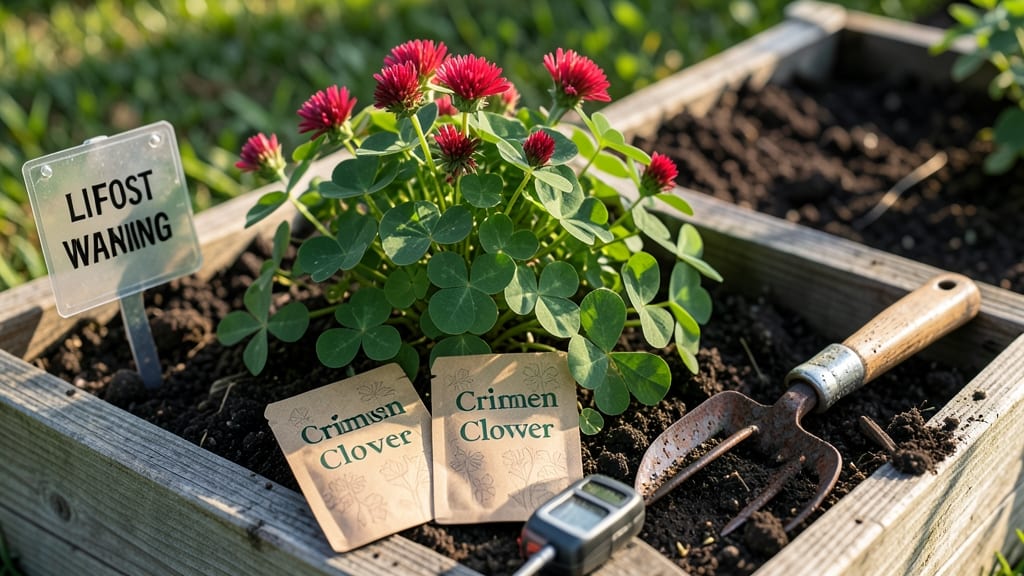
Planting crimson clover 🌸 in Tennessee at the wrong time can mean wasted seeds and missed soil benefits—but getting the timing right unlocks a game-changer for your garden or farm.
This hardy cover crop thrives when sown 4-6 weeks before frost, but Tennessee’s varied microclimates (from Nashville’s urban heat islands to Chattanooga’s mountain chill) make the difference between success and struggle.
Most gardeners in USDA Zones 6a-7b swear by late summer to early fall planting (August-September), when soil stays warm enough for germination but temperatures still cooperate before winter sets in. However, spring planting (March-April) works too—if you time it right to avoid summer drought and weed competition.
Why does timing matter so much? Crimson clover fixes nitrogen, suppresses weeds, and protects soil from erosion—but only if it establishes strong roots before frost or heat stress kicks in.
I’ll break down the best windows for your specific Tennessee location, plus soil prep secrets to ensure your cover crop takes off like a pro.
Whether you’re a backyard gardener or a large-scale farmer, mastering these planting windows will give you healthier soil and fewer headaches next growing season. Let’s get started.
Optimal fall planting dates for crimson clover in Tennessee’s climate zones
Tennessee’s USDA Zones 6a-7b offer perfect conditions for crimson clover as a cover crop, but timing is critical. Fall planting typically yields better establishment and winter hardiness than spring. The ideal window is 4-6 weeks before your first frost, which usually falls between October 10-20 across the state.
For Zone 6a (e.g., eastern Tennessee), aim for mid-August to early September—this gives seedlings time to root before winter. In Zone 7b (e.g., Memphis or Nashville), you can push planting until late September without risking frost damage.
Soil temperatures should stay above 60°F (15°C) for at least 2 weeks post-planting. Use a soil thermometer to confirm—crimson clover germinates best in warm soil. In Tennessee’s humid climate, late summer heat can dry seeds quickly, so keep soil moist until germination.
Microclimates matter! Nashville’s urban areas may experience earlier frosts than rural Chattanooga, so adjust your planting date accordingly. Check your local Cooperative Extension Service for precise frost dates.
Here’s how to adjust for early vs. late fall planting:
| Planting Window | Zone 6a (Eastern TN) | Zone 7a (Middle TN) | Zone 7b (Western TN) |
|---|---|---|---|
| Early Fall (Best) | Aug 15–Sep 5 | Aug 20–Sep 10 | Aug 25–Sep 15 |
| Late Fall (Risky) | Sep 10–Sep 25 | Sep 15–Oct 5 | Sep 20–Oct 10 |
| Soil Temp Threshold | 60°F+ (15°C) | 60°F+ (15°C) | 60°F+ (15°C) |
| Frost Risk | High after Sep 25 | Moderate after Oct 5 | Low after Oct 10 |
For late fall plantings, use a light frost blanket or row cover to protect seedlings if temperatures dip below 28°F (-2°C). Crimson clover is winter-hardy once established, but young plants are vulnerable.
Pro tip: If you miss the fall window, don’t panic—spring planting is still viable, though it may require extra irrigation to beat summer drought. Just avoid planting after May 15, or your clover will struggle to establish before Tennessee’s hot, dry summers set in.
Always test your soil’s pH (6.0–7.0 ideal) and add compost or lime if needed before sowing. Crimson clover thrives in well-draining soil with moderate fertility, so a light application of 5-10-10 fertilizer at planting can boost early growth.
🌸
Optimal fall planting dates for crimson clover in Tennessee’s climate zones
Crimson clover 🌸 thrives in Tennessee’s fall planting window, but the exact timing depends on your USDA Zone (6a-7b) and local microclimate.
Most gardeners in Zone 7a (Nashville, Memphis) aim for mid-August to early September, while Zone 6a (East Tennessee mountains) should plant late August to mid-September to avoid early frosts.
The key is sowing 4-6 weeks before your first frost date—typically October 15—to ensure strong root establishment before winter.
Soil temperature is critical: seeds need 60-70°F soil to germinate. Use a soil thermometer to confirm—if temps drop below 55°F, germination slows dramatically. In Chattanooga’s cooler valleys, wait until late August when nights stay above 50°F consistently.
For West Tennessee’s hotter zones, early August planting works, but irrigation becomes essential to prevent drought stress.
Here’s how to adjust timing based on your Tennessee region:
Pro tip: If you’re in a transition zone (like Nashville’s urban heat islands), plant 2 weeks earlier than rural areas—concrete and pavement trap heat, delaying frost.
Conversely, mountain valleys like those near Gatlinburg may need a 2-week delay to avoid early cold snaps. Always check your local Almanac frost dates for precision.
For late fall planting (after September 15), reduce seed rates by 20-30% to compensate for shorter growing seasons. Pair with a light mulch (straw or leaves) to insulate roots during winter dormancy.
This extends the window until October 1 in most of Tennessee, but yields will be lower than early-season plantings.
Remember: Crimson clover’s nitrogen-fixing benefits peak when planted early enough to establish 4-6 inches of biomass before frost. Rush the timeline, and you’ll miss out on soil health gains and weed suppression—the whole reason you’re planting it in the first place. 🌱