
Plants
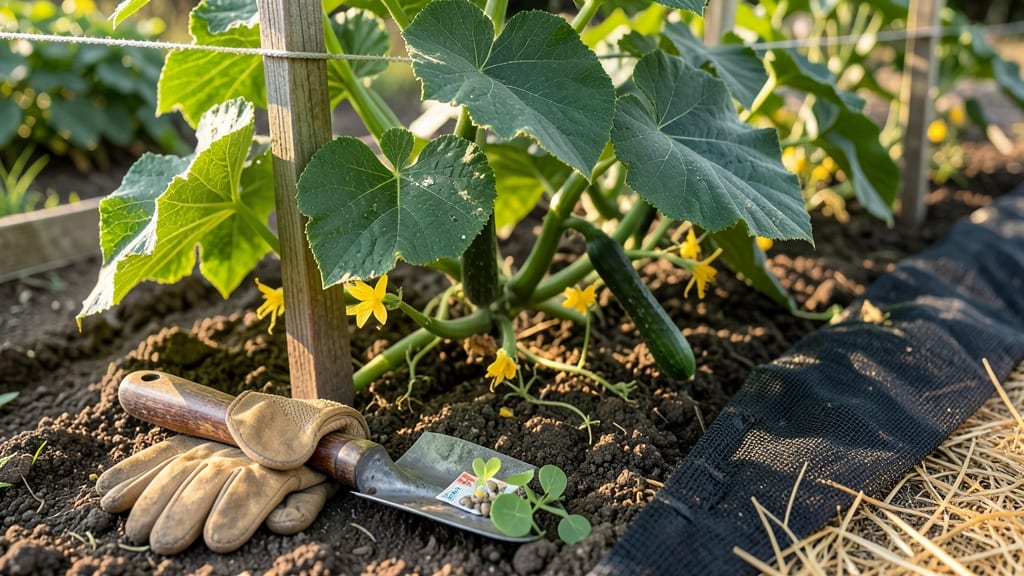
Planting cucumber seeds at the right time in North Carolina can mean the difference between a bountiful harvest and wasted effort. The perfect window starts after your last frost date—typically mid-April to early May, depending on your region—when soil temperatures hit that sweet spot of 60°F or warmer.
If you miss the spring planting window, don’t worry—North Carolina’s climate also allows for a late-summer harvest. July through August is ideal for a second planting, giving you fresh 🥒 until September or October. But timing isn’t just about the calendar; soil warmth and frost risk play critical roles too.
I’ll walk you through the exact steps to time your planting for success, whether you’re starting seeds indoors or sowing directly outdoors. With the right approach, you can stretch your growing season and enjoy homegrown cucumbers for months.
Ready to avoid common mistakes and maximize your yield? Let’s dive into the frost-free planting schedule that works for NC’s diverse climate zones.
NC cucumber planting zones & frost-free dates by region
North Carolina’s diverse climate means planting dates vary dramatically from the mountains to the coast.
The state spans USDA zones 5b through 8a, so your last frost date could be as early as March 15 in the Coastal Plain or as late as April 15 in the Appalachians. Always check your local NC State Climate Office for precise dates.
Cucumbers thrive when soil temperatures hit at least 60°F—colder soils delay germination. In Zone 5b (western NC), wait until after May 1 for safe planting. Meanwhile, Zone 8a (eastern NC) gardeners can start as early as mid-April, giving them a longer growing season for multiple harvests.
Here’s how to align your planting with NC’s microclimates for maximum success:
For direct sowing (planting seeds outdoors), aim for 2-3 weeks after your last frost date to let the soil warm. If you’re starting seedlings indoors, begin 4-6 weeks before transplanting—use grow lights if natural light is limited.
Pro tip: Use black plastic mulch to raise soil temps 5-10°F faster in cooler zones.
In Zone 5b, consider row covers to extend the season—these can add 2-4 weeks of frost protection. Meanwhile, Zone 8a gardeners might even squeeze in a fall crop by planting in late July for a September-October harvest before cooler temps arrive.
Always monitor your local NC Cooperative Extension for real-time alerts on unseasonable frosts or heatwaves, which can shift your planting window unexpectedly. A quick check of their planting calendar ensures you’re never caught off guard.
Remember: Cucumbers grow fastest when daytime temps are 70-90°F. Planting too early in cool springs leads to slow growth and pest vulnerabilities, while waiting too long risks summer heat stress—especially in Zone 8a’s intense July sun. Balance is key!
🌱
Step-by-step cucumber planting timeline for NC gardens
North Carolina’s cucumber-growing season starts with precise timing—especially since soil temperature and frost risks vary by region. For most of NC, your planting window opens after the last frost date, typically mid-April to early May in the Piedmont and late March to April along the coast.
Here’s my month-by-month breakdown to ensure your cucumbers thrive from seed to harvest.
Start by preparing your garden beds 2-3 weeks before planting. Work in compost or aged manure to enrich soil, and consider adding a time-release fertilizer (like 10-10-10) to support vining growth. Cucumbers love well-draining soil with a pH between 6.0 and 6.8, so test your soil if you’re unsure.
📋 Step-by-Step Planting Timeline
- 2-3 Weeks Before Planting (March-April):
- Test and amend soil with compost or aged manure.
- Install trellises or cages for vining varieties.
- After Last Frost (Mid-April - Early May):
- Direct-sow seeds 1 inch deep, spacing 12-24 inches apart (check variety tags).
- Use black plastic mulch to warm soil faster in cooler zones.
- 2 Weeks After Germination (Late May):
- Thin seedlings to 12-24 inches apart (keep strongest plants).
- Apply mulch around plants to retain moisture.
- June - August (Peak Growth):
- Water deeply every 1-2 days (morning only).
- Fertilize with balanced fertilizer every 4-6 weeks.
- July - August (Fall Prep):
- For late-season harvests, sow heat-tolerant varieties (e.g., ‘Straight Eight’) in late July.
- Use shade cloth if temps exceed 90°F.
For container growing, plant seeds in 5-gallon pots with well-draining potting mix. Place containers in full sun and water daily—containers dry out faster than garden beds. If you’re transplanting seedlings, harden them off for 5-7 days before moving outdoors to avoid shock.
Companion planting can boost cucumber yields and deter pests. Pair them with radishes, beans, oregano, or marigolds—these plants improve soil health and repel cucumber beetles. Avoid planting near potatoes, aromatic herbs (like sage or dill), or other cucurbits (melons, squash), as they compete for nutrients.
Watch for germination in 5-10 days if soil temps stay above 60°F. Thin seedlings to the strongest 1-2 plants per hill (if hilling) or 12-24 inches apart for bush varieties. Once vines start running, train them onto trellises to improve airflow and reduce disease risk.