
Plants
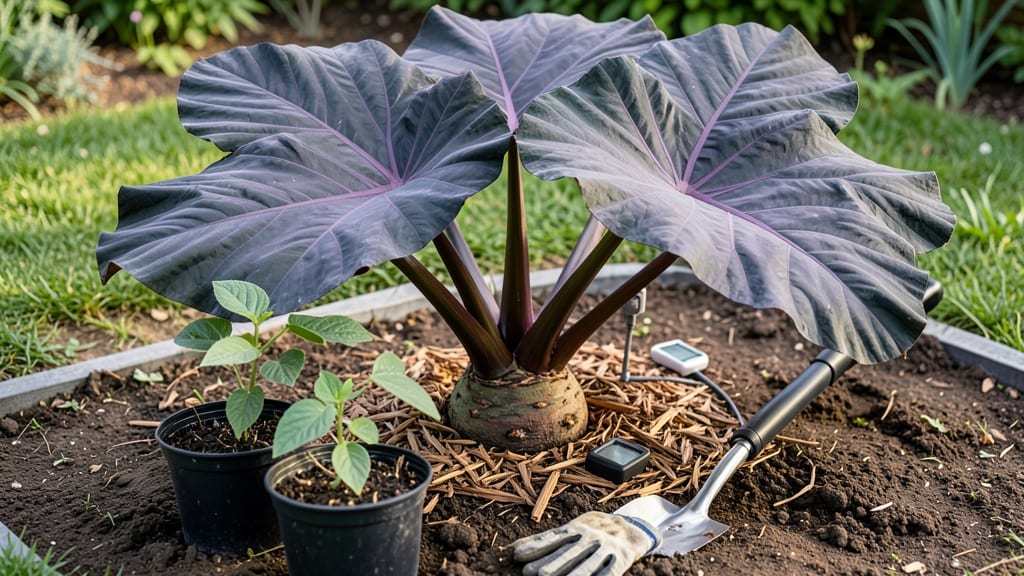
When to plant elephant ear bulbs in Texas means the difference between dramatic tropical foliage and a sad, wilted mess—especially when those 100-degree summers hit. Too early, and frost zaps their energy; too late, and they struggle to establish roots before the heat takes over.
Most Texas gardeners wait until March or April after the last frost, but the exact window depends on whether you're in North Texas (where frosts linger until mid-February) or South Texas (where you can plant as early as January).
The key is getting those bulbs in the ground when the soil warms to 60°F—that’s when they’ll shoot up with the bold, glossy leaves you love.
Here’s the game-changer: pre-sprouting bulbs indoors 4-6 weeks before your target planting date gives them a head start. It’s a simple trick that pays off big when you’re racing against Texas heat.
I’ll walk you through the exact steps—plus how to adjust for your specific zone—so your Elephant Ear makes it through the brutal summers and comes back even bigger next year.
Ready to turn your yard into a lush, tropical oasis? Let’s dive into the heat-zone safe planting schedule that’ll have your Elephant Ear thriving from day one.
Texas planting zones & best months for elephant ear bulbs
Elephant ear bulbs (Colocasia or Alocasia) love Texas heat but need precise timing to avoid frost damage or stunted growth. The USDA zones 7a-10b across Texas create regional planting windows—North Texas gardeners wait longer than South Texas growers. Here’s how to time it perfectly for your area.
In North Texas (zones 7a-8a), where last frosts hit February 15-March 1, plant bulbs after March 15 to ensure roots establish before summer’s brutal heat. Meanwhile, South Texas (zones 9a-10b) gardeners can start as early as February 1, thanks to milder winters and earlier frost-free conditions.
The Hill Country (zones 8a-9a) falls in between—aim for late February to early March to balance frost risk and heat tolerance. Always check your local frost-free date (find yours via the Texas A&M AgriLife Extension maps) and plant 2-3 weeks after to give bulbs time to sprout before summer’s intensity.
🌿
🌱 Texas Planting Zones & Best Months for Elephant Ear Bulbs
| Zone | Last Frost | Best Planting Window | Heat Notes |
|---|---|---|---|
| 7a-8a (North TX) | Feb 15-Mar 1 | March 15-April 15 | Wait for soil >60°F |
| 8a-9a (Hill Country) | Feb 1-Mar 15 | Late Feb-Early Mar | Mulch heavily for heat |
| 9a-10b (South TX) | Jan 1-Feb 15 | Feb 1-Apr 1 | Plant early to avoid drought |
📌 Pro Tip: Pre-sprout bulbs indoors 4-6 weeks before outdoor planting to jumpstart growth in cooler zones.
Elephant ears thrive in Texas’s heat zones 9-11, but young plants need time to acclimate. In North Texas, where summers hit 100°F+, delay planting until after April 15 to avoid stress.
Conversely, South Texas’s earlier start lets you plant by February 1, but prioritize shade cloth for the first 2 weeks to prevent leaf scorch.
For container growing, adjust timing by 2-3 weeks later—pots heat up faster and dry out quicker. Place containers in partial shade during 100°F+ days to protect roots. If you miss the spring window, June planting is possible in South Texas, but expect slower growth until fall.
🌡️
Texas’s first frost dates (November 15 in North TX to December 1 in South TX) signal dormancy for elephant ears. To extend their season, dig up bulbs before frost and store them in dry peat moss at 50-60°F until replanting next spring.
This trick works best for tender varieties like Colocasia ‘Black Magic’ or Alocasia ‘Polly’.
🌱 Key Takeaway: Match your planting date to your USDA zone and local frost data. North Texas waits until after March 15, while South Texas can start as early as February 1. Always prioritize soil warmth (>60°F) and heat acclimation for tropical bulbs.
Pre-planting preparation: soil, sunlight & hardiness tips for Texas heat
Texas soil can be a double-edged sword for elephant ear bulbs—too dense, and roots suffocate; too sandy, and they dry out fast. Most of us deal with clay-heavy soil that bakes under summer sun, so amending it with compost or aged manure (3-4 inches mixed in) is non-negotiable.
Aim for soil that’s moist but well-draining, like a rich loam. If your yard’s pure clay, consider raised beds for better control.
Elephant ears crave bright, indirect light—think dappled shade in North Texas or morning sun with afternoon shade in South Texas. Full sun (6+ hours) works in cooler zones (8a-9a), but plants in 10a-10b (like Houston or Corpus Christi) will scorch without afternoon relief.
A lightweight shade cloth (30-50%) during peak heat (12-3 PM) can save struggling leaves.
⚠️ Texas Heat Warning
Bulbs planted in <60°F soil risk rot, while waiting for 70°F+ soil speeds up growth. Test soil temp with a thermometer (or press your finger in—if it’s warm to the touch, it’s ready). In North Texas, this usually means mid-April; in South Texas, you can start as early as February.
Pro Tip: Pre-sprout bulbs indoors under grow lights 4-6 weeks before planting. Place them in potting mix (not waterlogged soil) and keep them in a warm, bright spot (70°F+). Once sprouts hit 3-4 inches, they’re ready for the ground.
Hardiness is where Texas gardeners get creative. While elephant ears are tender perennials, they can survive light freezes (28-30°F) if protected. For North Texas (zones 7b-8a), dig up bulbs before first frost (usually mid-November) and store them in dry peat moss in a cool, dark place (50-60°F).
In South Texas (zones 9a-10b), they often overwinter with mulch (4-6 inches of straw or leaves) to insulate roots.
One game-changer I’ve used is mulching with pine straw—it retains moisture better than hay and doesn’t compact like wood chips. Spread a 3-inch layer around (but not touching) the stems to keep roots cool in summer and warm in winter.
Just avoid fresh mulch right after planting, as it can smother new growth.
Finally, container growing is a lifesaver for urban Texas gardeners. Use pots 12+ inches deep with drainage holes and a lightweight mix (50% potting soil, 30% perlite, 20% compost). Elevate containers on feet or bricks to improve airflow and prevent root rot.
Just remember: containers dry out 3x faster in Texas heat, so check soil moisture daily during summer.