
Plants
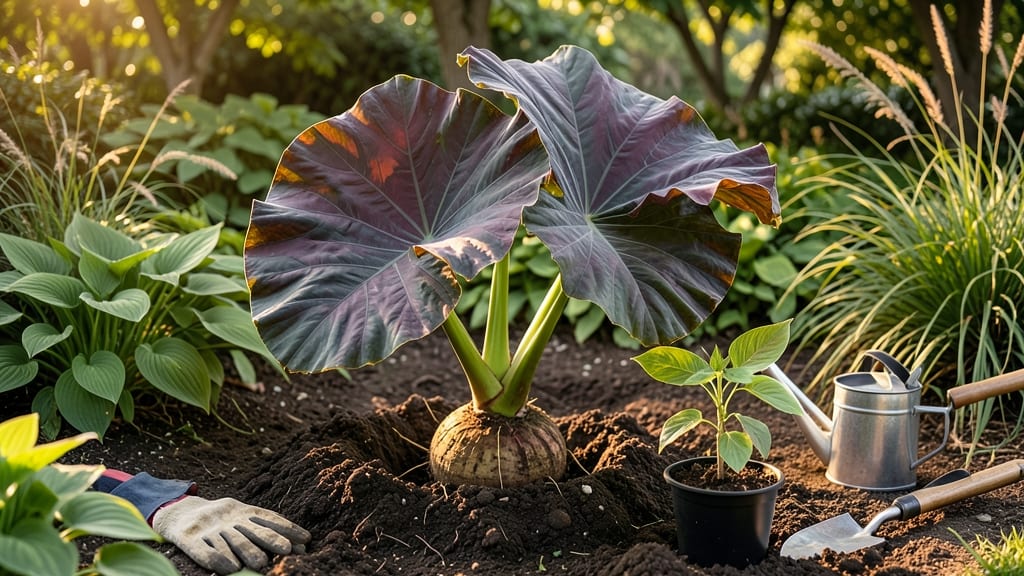
Timing your Elephant Ear 🌿 planting in Oklahoma could mean the difference between bold, tropical foliage and wilted disappointment—especially when those 90-degree days arrive faster than you expect.
Most gardeners wait until after the last frost (usually mid-April to May), but Oklahoma’s 6b-8a zones have their own quirks—like soil that stays cold longer in the north or heat that bakes the ground early in the south.
You’ll learn the exact window to plant tubers (the best method for Oklahoma’s climate), plus how to prep soil that won’t dry out before your plants even sprout.
Skip the guesswork and get lush, heat-proof leaves all summer with these pro tips tailored just for Oklahoma’s unpredictable spring.
Optimal planting months for elephant ears in Oklahoma’s climate zones
Oklahoma’s USDA Zones 6b-8a create a tricky balance for elephant ear planting—too early, and frost zaps your tubers; too late, and summer’s 100°F heat arrives before your plants establish roots.
Your best window is mid-April through May, but northern Oklahoma (Zone 6b) needs extra caution, while southern areas (Zone 8a) can start slightly earlier.
Most Oklahoma gardeners plant after the last frost date, which typically falls between March 15 (south) and April 15 (north). However, soil temperature matters more than calendar dates—wait until the ground warms to atstrong>60°F (test with a soil thermometer) before planting tubers.
This usually aligns with late April to early May for most of the state.
Elephant ears thrive in full sun to partial shade, but Oklahoma’s intense summer sun can scorch leaves if planted too late. Aim for 6+ hours of sunlight daily, but provide afternoon shade in Zone 8a’s extreme heat.
Containers dry out faster, so adjust your planting window 1-2 weeks earlier if growing in pots.
Here’s how Oklahoma’s microclimates break down for planting success:
| Zone | Last Frost Date | Ideal Planting Window | Soil Temp Requirement | Heat Notes |
|---|---|---|---|---|
| 6b (Northern OK) | April 15 | Late April - Early May | 60°F+ | Use row covers for early starts |
| 7a (Central OK) | April 1 | Mid-April - Late April | 60°F+ | Standard timing works well |
| 8a (Southern OK) | March 15 | Late March - Early April | 60°F+ | Plant early to avoid heat stress |
For container planting, extend your window by 2 weeks earlier—pots warm up faster than in-ground soil. Choose Alocasia varieties (like 'Polly') for slightly better heat tolerance than Colocasia ('Black Stem'). Both types need well-draining soil mixed with compost to prevent root rot in Oklahoma’s heavy clay.
Pro tip: If you’re in Zone 7a or cooler, soak tubers in lukewarm water for 24 hours before planting to jumpstart growth. This mimics Oklahoma’s unpredictable spring showers and gives your plants a head start when soil temps finally cooperate.
Remember, elephant ears are tropical—they hate cold but love heat. Planting too late means your foliage will struggle to establish before summer’s intensity peaks. Aim for 6-8 weeks of growth before Oklahoma’s July heatwave hits full force.
Once planted, mulch heavily (3-4 inches) to retain moisture and regulate soil temperature. This is especially critical in Zone 8a, where summer heat can cause soil to bake and dry out within days. 🌿
Signs your Oklahoma soil is ready for elephant ear planting (and how to fix common issues)
Before sticking those elephant ear tubers into the ground, Oklahoma’s clay-heavy soils need a few key checks. The biggest red flags? Cold soil temperatures below 60°F or waterlogged conditions after heavy rains.
Test your soil’s readiness by pressing your finger 2 inches deep—if it feels damp but not soggy, you’re golden.
Another critical sign? The soil should warm up to at least 65°F at a depth of 4 inches. Use a soil thermometer in late April to confirm—this is especially important in Zone 7a areas where frosts linger. If your soil is still chilly, wait another week or two.
🌱 Pro Tip: Spread a 4-inch layer of mulch (like shredded leaves or straw) after planting to lock in heat and moisture. This mimics Oklahoma’s natural summer conditions and helps young tubers establish faster.
⚠️ Watch Out for These Oklahoma-Specific Soil Problems
Clay Soil Compaction: If water pools on the surface after rain, your soil is too dense. Amend with compost or sand to improve drainage.
Nutrient Deficiencies: Pale yellow leaves? Your soil may lack potassium or phosphorus. Mix in bone meal or wood ash before planting.
Heat Stress: In Zone 8a, soil can bake too fast. Mulch heavily and water deeply in the morning to prevent shock.
For container gardening, use a well-draining potting mix with 30% perlite to mimic Oklahoma’s porous native soils. Containers also warm up faster—ideal for pushing planting dates in northern Oklahoma where springs drag on.
One more trick: Plant tubers in warmth-loving companion plants like sweet potatoes or okra. These neighbors help signal your soil’s readiness by thriving in the same conditions.
If your soil fails any of these tests, don’t panic—just delay planting by 2-3 weeks or use black plastic mulch to accelerate warming. Patience now means lush foliage later.
🌿 Final Check: Dig a small hole, fill it with water, and time how long it drains. If it takes more than 30 minutes, your soil needs sand or grit to prevent root rot.