
Plants
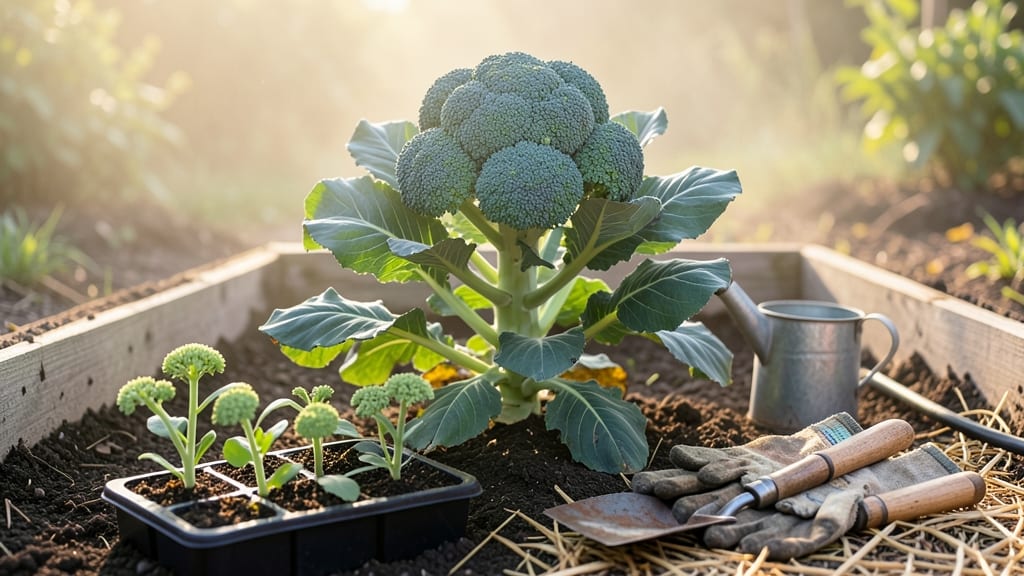
Planting fall broccoli 🥦 in Zone 7 isn't just about sticking seeds in the ground—it's about timing your 6-week pre-frost schedule perfectly to avoid bitter, bolted heads and maximize your harvest.
If you've ever watched your broccoli plants struggle through late-summer heat or race toward frost too soon, you know how critical the right window is. The difference between a bumper crop and wasted effort often comes down to when you plant, not just how.
I'll walk you through the exact dates for Zone 7, plus soil prep secrets and spacing tricks that keep your 🥦 thriving until December. Skip the guesswork and get the step-by-step schedule that actually works for your climate.
Ready to turn your garden into a fall harvest goldmine? Let's dive into the timing, tools, and techniques that make all the difference for Zone 7 gardeners like you.
Zone 7 fall broccoli planting dates: exact timing for 3 varieties (Calabrese, Purple Sprouting, Raab)
Getting your fall broccoli planted at the right time in Zone 7 is everything—miss the window, and you’ll end up with bitter, bolted greens instead of sweet, tender heads.
The key is planting 60–80 days before your first frost, which typically lands in mid-August to early September for most of Zone 7.
But not all broccoli varieties mature at the same pace, so let’s break it down by type to ensure you’re planting at the perfect moment for maximum yield.
For Zone 7 gardeners, the average first frost date is around November 15, but this can shift by 2–3 weeks depending on your exact location (7a vs. 7b).
To simplify, I’ve created a planting timeline tailored to the three most popular fall broccoli varieties: Calabrese, Purple Sprouting, and Raab. Each has slightly different needs, so choosing the right one—and planting it at the right time—will set you up for success.
Here’s the golden rule for fall broccoli in Zone 7: Count backward from your frost date. If you’re unsure of your exact frost date, use November 15 as a baseline and adjust based on your local microclimate.
For example, if you’re in Zone 7a (colder), you might need to plant 2 weeks earlier than someone in Zone 7b. A few degrees can make all the difference when it comes to broccoli maturity.
🥦 Zone 7 Fall Broccoli Planting Guide
| Variety | Days to Maturity | Ideal Planting Window | Notes for Zone 7 |
|---|---|---|---|
| Calabrese | 60–70 days | August 15–September 1 | Most popular; avoid late-summer heat stress by planting early. |
| Purple Sprouting | 70–80 days | July 30–August 15 | Cold-hardy; great for late fall harvests if planted early. |
| Raab | 50–60 days | September 1–15 | Fast-growing; perfect for succession planting in early fall. |
📅 Pro Tip: Use a frost date calculator (like the Old Farmer’s Almanac) to fine-tune your schedule. Even a 1-week shift can mean the difference between a bountiful harvest and bolted greens.
If you’re planting Calabrese broccoli, aim for mid-August to early September. This variety takes 60–70 days to mature, so planting too late will leave your heads vulnerable to early frost damage.
For Purple Sprouting broccoli, which is more cold-tolerant, you can push your planting window slightly earlier—late July to mid-August. This gives it enough time to establish roots before the cooler fall temperatures set in.
Raab broccoli, on the other hand, is a fast grower with a 50–60 day maturity, making it ideal for succession planting in early September. This variety is perfect if you want a late-season harvest or if your summer was too hot for traditional broccoli. Just be sure to harvest before frost, as even cold-hardy varieties like Raab won’t tolerate prolonged freezing temperatures.
One common mistake I see in Zone 7 gardens is planting broccoli too close to the first frost. Even if your variety is cold-tolerant, the heads won’t develop properly if temperatures drop too quickly. To avoid this, always plant at least 6 weeks before your expected frost date.
If you’re unsure, err on the side of earlier planting—you can always thin seedlings or transplant extras to a different spot in your garden.
For best results, pair your planting schedule with soil preparation. Broccoli thrives in well-draining, slightly acidic soil with a pH of 6.0–7.0. Before planting, amend your soil with compost or aged manure to ensure it’s rich in organic matter.
You’ll also want to space plants 18–24 inches apart to give them room to grow and prevent disease. Overcrowding is a major cause of bolting in broccoli, so don’t skip this step!
Once your broccoli is in the ground, consistent watering is key. Aim for 1–1.5 inches of water per week, delivered early in the morning to reduce evaporation and prevent fungal diseases.
Mulch around the base of your plants with straw or shredded leaves to retain moisture and regulate soil temperature. This is
How to adjust your planting schedule for early/late frost years (pro tips for Zone 7 gardeners)
Zone 7 gardeners know that first frost dates can shift dramatically from year to year. A late summer heatwave or an early cold snap can throw off your fall broccoli schedule—but with these adjustments, you can still secure a harvest.
The key is flexibility: knowing when to push planting earlier or delay slightly while protecting your plants from unexpected cold.
Start by checking your local frost history. Most Zone 7 areas experience their first frost between November 15–30, but some years it arrives as early as October 20. If your area has a history of early frosts, begin sowing seeds by mid-July for a late-September transplant.
For late frost years, you can safely plant as late as early October—just choose faster-maturing varieties like Raab or De Cicco.
- Use row covers to protect seedlings from light frosts (28–32°F)—they add 2–4°F of warmth.
- Plant cold-hardy varieties like Calabrese or Waltham 29—they tolerate 25°F for short periods.
- Try succession planting: Sow a second batch 3–4 weeks after your initial planting for staggered harvests.
- Monitor soil temperatures—broccoli needs 45–85°F to germinate; wait until soil cools below 80°F in late summer.
If your summer stays unusually hot (above 90°F for weeks), broccoli seedlings may struggle to establish. In this case, opt for shade cloth during the hottest hours or delay planting until late August.
Heat stress causes bolting (premature flowering), so prioritize evening watering to cool the soil and mulch heavily to retain moisture.
For late frost years, focus on fast-maturing varieties with 50–55 days to harvest. Examples include Green Goliath or Packman, which can be planted as late as early October in Zone 7.
Pair these with low tunnels or cold frames to buy an extra 2–3 weeks of growing time before winter sets in.
Don’t overlook microclimates in your garden. South-facing beds warm up faster in spring and stay warmer in fall, while north-facing areas may frost earlier. Use these differences to your advantage: plant heat-sensitive varieties in cooler microclimates and cold-hardy types in warmer spots.
A 5°F difference can mean the difference between a thriving plant and a failed crop!
Finally, keep a planting journal to track what works in your specific Zone 7 location. Note the exact dates you plant, transplant, and harvest, along with any weather anomalies. Over time, you’ll refine your schedule to perfection—ensuring consistent broccoli harvests even when Mother Nature throws curveballs. 🌿