
Plants
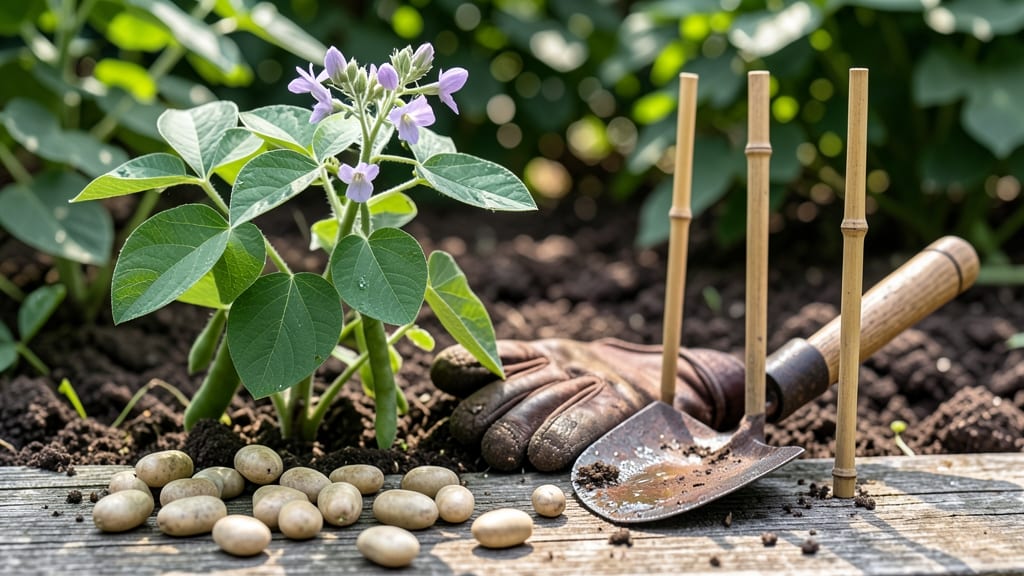
Planting fava beans at the right time in Zone 6 could mean the difference between a thriving garden and a missed harvest.
These cold-hardy legumes 🌱 actually love cool weather, making them perfect for early spring or late summer sowing—long before most other vegetables even think about going in the ground.
If you’ve ever wondered why some gardeners swear by fall planting while others prefer spring, the answer lies in understanding your last frost date and soil temperatures.
In Zone 6, where frosts linger until mid-April, timing is everything—plant too early, and you risk bolting; too late, and your beans might not mature before summer heat sets in.
What I’ve learned over the years is that fava beans are surprisingly forgiving once you nail the window. Whether you’re aiming for a June harvest from spring planting or an October bounty from fall sowing, the key is knowing exactly when to drop those seeds for maximum success.
Let me break down the best planting periods, soil prep tips, and how to adjust for Zone 6’s unpredictable spring weather—so you can enjoy fresh, nutty pods all season long.
Optimal planting windows for fava beans in Zone 6: exact weeks before last frost
Fava beans are one of the most cold-hardy vegetables you can grow, making them perfect for Zone 6’s unpredictable springs and early frosts.
Unlike heat-loving crops, they thrive when planted 6-8 weeks before your last frost date (typically around March 15–April 1 in Zone 6) or 8-10 weeks before your first frost for a fall harvest.
This timing ensures strong root development before the ground warms too much, preventing premature bolting—the enemy of a good fava bean harvest.
Zone 6’s average last frost date is April 15, but microclimates near lakes or mountains can push this back by 1-2 weeks. For example, if your area tends to have late frosts, aim to plant no later than March 28 for spring crops.
Conversely, if you’re planting for a fall harvest, start seeds indoors by August 1 and transplant by August 15 to mature before frost hits in mid-October.
Soil temperature is just as critical as air temperature. Fava beans germinate best in soil that’s 40–60°F (4–15°C)—cooler than many other legumes. If your soil is still below 40°F, wait until early April or use black plastic mulch to warm the soil faster.
Overheating the soil above 70°F (21°C) can trigger bolting, so avoid planting after mid-April unless you’re using shade cloth.
Here’s the golden rule for Zone 6: Plant fava beans as soon as the soil is workable in early spring (late February to early March) or late summer (August).
This gives them 90–120 days to mature before summer heat or winter frost stunts their growth. For a continuous harvest, succession plant every 2–3 weeks from March through early April.
🌱
If you’re new to growing fava beans, late winter to early spring (February–March) is the safest window. Start seeds indoors 4–6 weeks before your target outdoor date to get a jumpstart. For outdoor planting, direct-sow seeds 1–2 inches deep and 2–3 inches apart in rows 18–24 inches apart.
This spacing gives plants room to grow tall (up to 3–4 feet) without competing for sunlight.
One of my favorite tricks for Zone 6 gardeners is planting fava beans alongside winter rye or clover in late summer. The cover crop insulates the soil, keeping it cool for fall plantings.
By mid-October, you can harvest tender pods before the first hard frost—a double win for extending your growing season!
For those in Zone 6a (colder microclimates), push your spring planting to March 15–April 1 and avoid planting after April 15, when soil temperatures rise too quickly. In Zone 6b, you can stretch planting to mid-April, but monitor weather forecasts for late frosts.
If a frost warning appears after planting, cover seedlings with row fabric or old bedsheets—fava beans can tolerate light frosts but not prolonged freezing.
Finally, remember that fava beans are biennial, meaning they often produce more robust harvests in their second year. If you plant in fall, let some pods mature and leave the plants in the ground over winter.
They’ll regrow in spring, giving you an even bigger harvest the following year. Just mulch heavily with straw or leaves to protect them from winter winds.
☀️
Optimal planting windows for fava beans in Zone 6: exact weeks before last frost
Fava beans are one of the few vegetables that thrive in Zone 6’s cooler springs and falls, making them perfect for early spring or late summer planting. Unlike heat-sensitive crops, they tolerate light frosts and even grow well in soil temperatures as low as 40°F.
For Zone 6, where the average last frost date is April 15, timing is everything—plant too early, and you risk rot from cold, wet soil; too late, and the plants may bolt before producing pods.
The best strategy is to plant fava beans 6-8 weeks before your last frost date (around March 1-15) for a spring harvest or 8-10 weeks before your first frost (around August 1-15) for a fall harvest.
This gives them enough time to mature before summer’s heat or winter’s chill sets in. In cooler microclimates, like higher elevations or shaded areas, push planting back by 1-2 weeks to avoid early bolting.
🌱 Zone 6 Fava Bean Planting Windows
| Planting Window | Weeks Before Frost | Soil Temp Requirement | Best Varieties |
|---|---|---|---|
| Early Spring | 6-8 weeks before last frost (March 1-15) | 40-50°F (cold-tolerant) | 'Aquadulce Claudia', 'Hercule' |
| Late Summer | 8-10 weeks before first frost (August 1-15) | 50-60°F (warmer soil) | 'Early Bird', 'Long Pod' |
| Late Winter (Risky) | 10-12 weeks before last frost (February 15-March 1) | 35-45°F (very cold) | 'Hercule' (most cold-hardy) |
✅ Pro Tip: Test soil temps with a soil thermometer—favas need consistent temps above 40°F to germinate.
For spring planting, aim to have seeds in the ground by March 15 to ensure pods mature before summer’s heat triggers bolting. In Zone 6a (colder sub-zone), delay until March 22 to avoid frost damage.
If you’re planting for a fall harvest, start seeds indoors 6 weeks before transplanting (around July 15) or direct-sow by August 1 to guarantee a harvest before the first frost.
One of fava beans’ biggest advantages is their cold-hardiness—they can survive light frosts and even grow in soil temps as low as 35°F, though germination slows below 40°F. This makes them ideal for early spring or late fall gardens when other crops would fail.
However, avoid planting when soil temps exceed 80°F, as this causes bolting and poor pod development.
To maximize success, amend your soil with compost before planting—favas thrive in well-draining, slightly acidic soil (pH 6.0-7.0). Add a thin layer of mulch after germination to retain moisture and regulate soil temperature.
In dry spells, water deeply 1-2 times per week to prevent stress, but avoid overwatering, which can lead to root rot.
Remember, fava beans are biennial but typically harvested in their first year. If you miss the spring window, don’t despair—fall planting can yield a second crop before winter sets in. Just be sure to harvest pods before seeds harden, or they’ll become tough and stringy.