
Flowers
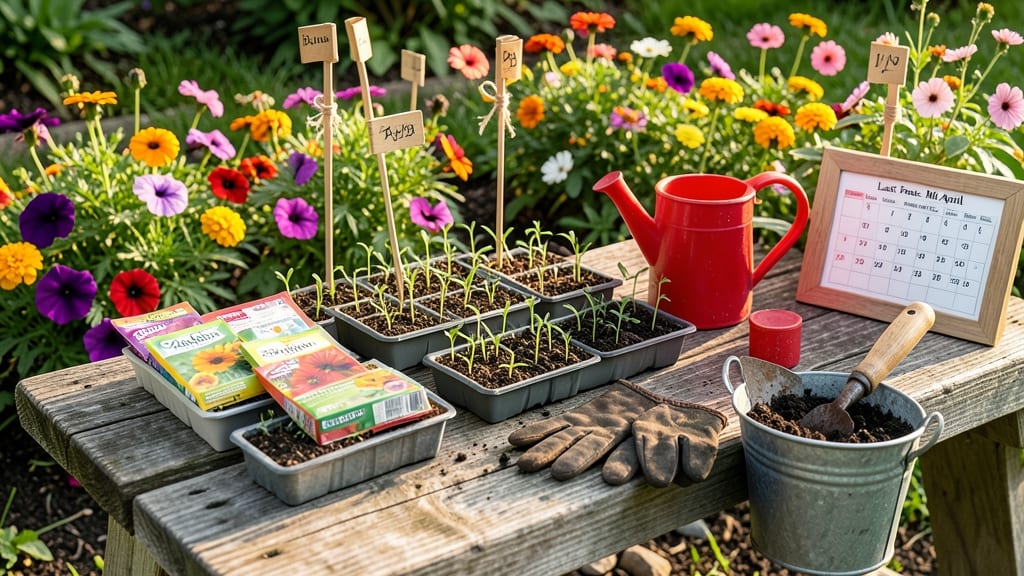
Timing when to plant flower seeds in Indiana just right could mean the difference between a garden bursting with color and a sad, frost-bitten disappointment. With Zone 6a's unpredictable spring weather, knowing when to plant is the key to reliable blooms that last all season.
Most gardeners in Indiana wait until after the last frost date—around April 15—but some flowers actually thrive when sown earlier indoors. Whether you're dreaming of vibrant marigolds or native wildflowers, understanding your local frost-free calendar is the first step to success.
In this guide, I'll break down the perfect planting windows for both spring and fall, so you can start seeds indoors in March or direct-sow outdoors in May without worrying about surprise frosts. Let's make sure your garden gets the head start it deserves!
From cool-season pansies to heat-loving zinnias, we'll cover everything you need to know to time your plantings like a pro. Ready to transform your Indiana garden into a blooming paradise?
Indiana’s frost-free planting windows by flower type (Zone 5B guide)
Indiana’s Zone 5B climate means frost can strike anytime between April 15 and May 15, but timing your flower seeds right ensures a garden bursting with color.
The key is understanding whether your flowers are frost-tolerant or frost-sensitive, as this dictates when to start seeds indoors or sow directly outdoors.
For cool-season flowers like pansies and snapdragons, you can start seeds indoors by March 1 or sow directly outdoors in early April. These hardy blooms can handle light frosts, making them ideal for Indiana’s early spring.
Meanwhile, warm-season annuals like marigolds and zinnias need to wait until after the last frost, typically mid-to-late May.
Perennials like coneflowers and black-eyed Susans can be sown directly outdoors in early spring (March-April) or fall (August-September), as they establish deep roots and tolerate Indiana’s late frosts. The secret? Soil temperature—wait until it reaches at least 50°F (10°C) before sowing most seeds.
| Flower Type | Indoor Start Date | Outdoor Sow Date | Notes |
|---|---|---|---|
| Cool-Season Annuals (Pansies, Snapdragons) | March 1 | Early April | Tolerates light frost; sow early. |
| Warm-Season Annuals (Marigolds, Zinnias) | March 15 | Mid-to-late May (after last frost) | Needs warm soil; wait for 50°F+. |
| Perennials (Coneflowers, Black-Eyed Susans) | N/A (Direct sow) | March-April or August-September | Deep roots; tolerates late frosts. |
| Native Wildflowers (Milkweed, Bee Balm) | N/A (Direct sow) | April-May or August-September | Supports pollinators; drought-tolerant. |
| Bulbs (Tulips, Daffodils) | N/A (Fall planting) | September-October | Plant bulbs 6-8 weeks before first frost. |
Indiana’s northern regions (e.g., Fort Wayne) experience later last frosts, often mid-May, while southern areas (e.g., Evansville) may see frost-free conditions by early April. Use the Indiana State Climate Office frost maps to adjust your timeline.
For example, if you’re in Zone 5A, err on the side of caution and wait until May 1 for frost-sensitive seeds.
Fall planting is another smart strategy for Indiana gardeners. Cool-season flowers like kale and sweet alyssum can be sown in August-September for a late-summer-to-fall display. The goal is to give seeds 6-8 weeks of growth before the first frost, which typically hits mid-October in most of Indiana.
Don’t forget about Indiana’s microclimates. Urban areas like Indianapolis can be 5-10°F warmer than rural spots, delaying frost. If you’re unsure, use a frost watch app or set up a mini greenhouse to start seeds early.
Even a clear plastic dome over seedlings can buy you an extra 2-3 weeks of growing time.
For container gardeners, timing is even more critical since pots heat up faster and cool down quicker. Start warm-season flowers indoors 4-6 weeks before your target outdoor date, and use heat mats to speed up germination.
Containers also dry out faster, so keep them consistently moist until seedlings are established.
Pro tip: Stagger your plantings every 2 weeks for a continuous bloom cycle. For instance, sow marigolds in early May, then again in mid-June to extend your season. This technique works especially well for annuals that bolt (go to seed) quickly in Indiana’s heat.
Finally, always check the seed packet for specific instructions—some varieties, like cosmos, self-sow prolifically and can be planted directly in early spring without indoor starts.
By aligning your planting with Indiana’s frost-free windows and flower hardiness, you’ll avoid the heartbreak of frost-nipped blooms and enjoy a garden that thrives year after year.
How to adjust planting times for Indiana’s microclimates and flower hardiness
Indiana’s Zone 5B climate creates unique challenges for gardeners. While the average last frost date is April 15, microclimates—like urban heat islands or sheltered valleys—can shift that window by 2–3 weeks. Understanding these variations helps you choose the right frost-tolerant flowers and adjust planting times for success. Urban gardens often experience warmer microclimates due to concrete and buildings trapping heat. This can let you plant tender annuals like marigolds 1–2 weeks earlier than rural areas. Conversely, low-lying or wooded areas may stay colder longer, delaying planting for heat-loving flowers like cosmos until May 1.🌱 Pros & Cons: Frost-Tolerant vs. Frost-Sensitive Flowers
- ✅ Pansies: Survive 28°F; plant March 1–April 15
- ✅ Snapdragons: Tolerate 25°F; sow February–April
- ✅ Sweet Alyssum: Thrives in 30°F; direct-sow March–May
- ❌ Marigolds: Die in 32°F; wait until May 15
- ❌ Zinnias: Need 50°F soil; plant after May 1
- ❌ Petunias: Perish at 35°F; start indoors March 1
Tip: Use row covers to extend planting for frost-sensitive flowers by 2–3 weeks in early spring.
🌡️ Pro Tip: Use a soil thermometer—plant when soil reaches 50°F (10°C) for most flowers.