
Flowers
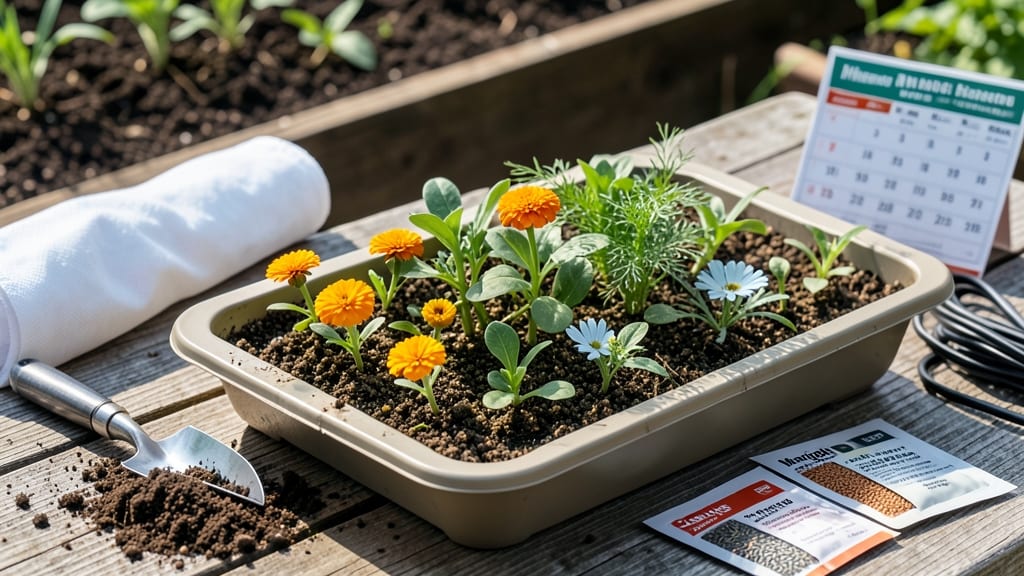
Timing your flower seeds planting in Michigan can mean the difference between a vibrant garden and a sad, frost-nipped disappointment—especially when last frost dates shift yearly.
I’ve learned the hard way that waiting too long in Zone 5b/6a risks losing delicate seedlings to late spring freezes, while planting too early can leave them vulnerable to cold snaps. The key is knowing exactly when soil warms and frost risks fade, so your 🌸 blooms thrive.
Most Michigan gardeners swear by planting after mid-April, but regional microclimates—like Detroit’s urban heat islands or Traverse City’s cooler lakeshore—can shift those deadlines by weeks. Whether you’re sowing sweet alyssum for early color or cosmos for late-summer blooms, understanding these nuances saves time and frustration.
Let me break down the science (and shortcuts) to get your seeds in the ground at the perfect moment.
You’ll also discover how to work with Michigan’s short growing season, from starting heat-loving marigolds indoors to choosing cold-hardy perennials like coneflowers that bounce back year after year. No more guessing—just data-backed dates tailored to your backyard. Ready to turn your garden into a blooming success story?
Inside, I’ll share my 3-step timing system for annuals and perennials, plus a free printable checklist to track frost dates and soil temps in your area. Because in Michigan, the best gardens don’t happen by accident—they happen by planning.
Michigan flower seed planting deadlines by month (Zone 5b/6a guide)
Michigan’s Zone 5b/6a climate means frost can linger until mid-April in most regions, but last-frost dates vary dramatically—Detroit averages April 15, while Traverse City may see frost as late as May 1.
To avoid frost damage, timing is everything. Plant too early, and tender seedlings die; too late, and your garden misses peak bloom seasons.
Most annual flower seeds (like marigolds or zinnias) should wait until after May 10 in northern Michigan, while cold-hardy perennials (e.g., coneflowers) can handle early April sowing. Below is your month-by-month planting calendar, tailored to Michigan’s 140–170 frost-free days.
🌱 Michigan Flower Seed Planting Deadlines
| Month | Zone 5b (Detroit) | Zone 6a (Traverse City) | Best Flowers |
|---|---|---|---|
| March | Start indoors (6–8 weeks before last frost) | Start indoors (6–8 weeks before last frost) | Pansies, Snapdragons, Sweet Alyssum |
| April | Direct sow cold-hardy seeds after April 15 | Direct sow cold-hardy seeds after April 25 | Lupines, Calendula, Dianthus |
| May | Plant most annuals after May 10 | Plant most annuals after May 15 | Marigolds, Zinnias, Sunflowers |
| June | Sow heat-loving seeds (late June) | Sow heat-loving seeds (late June) | Cosmos, Portulaca, Celosia |
| September | Fall planting for perennials (before Oct 1) | Fall planting for perennials (before Sept 25) | Coneflowers, Black-Eyed Susans, Asters |
⚠️ Pro Tip: Use a frost clock (like the National Garden Bureau) for real-time updates.
For Detroit gardeners, aim to plant annuals like petunias by May 1 to ensure blooms by July 4. In Traverse City’s cooler climate, delay until May 15 to avoid late frosts. Perennials, like bee balm, can handle April sowing if you use row covers.
If you miss the spring window, don’t despair—September is prime for fall-blooming perennials. Plant black-eyed Susans or asters by September 1 in southern Michigan, or September 15 in the north. These varieties thrive with 60 days of cool weather before winter.
Always check seed packets for days to maturity. For example, cosmos (60 days) can start in late May, while sunflowers (90 days) need an early May start. Cold frames or greenhouses can extend your season by 2–4 weeks.
Regional microclimates matter: Grand Rapids is 2–3°F colder than Detroit, so adjust dates 1 week later. Southern Michigan (e.g., Ann Arbor) can plant 1 week earlier. Use soil thermometers—seeds need 60°F+ soil to germinate reliably.
For container gardening, start seeds indoors by March 1 and transplant after May 15. Containers warm up faster, so they’re ideal for short-season flowers like bachelor’s buttons (delicate and frost-sensitive).
Remember: Late May is your last chance for direct-sown annuals. After that, focus on transplants or heat-tolerant varieties like portulaca, which blooms in scorching heat.
Track your local frost dates using the Michigan State University Extension frost maps. In 2023, some areas saw frost as late as May 10—don’t assume past dates! 🌸
How to adjust planting dates for Michigan’s unpredictable weather
Michigan’s late spring frosts and early fall freezes can derail even the most careful gardener’s plans. If you’ve ever watched your tender seedlings wilt overnight, you know how critical it is to adjust planting dates.
The key is understanding your microclimate—whether you’re in Detroit’s urban heat pockets or Traverse City’s cooler lakeshore areas—and using season-extending tools to protect your blooms.
Start by checking your local frost dates, which can vary by 1-2 weeks across the state. For example, Detroit’s last frost is around April 20, while Grand Rapids often sees frost until May 5.
Use these dates as your baseline, then adjust based on your yard’s exposure. A south-facing slope warms faster than a north-facing garden, so you can plant earlier in those spots.
For extra protection, start seeds indoors 6-8 weeks before your last frost date. This gives you a head start and lets you transplant hardened-off seedlings once the soil reaches 60°F. If you’re sowing directly outdoors, use frost cloths or row covers to shield young plants from unexpected cold snaps.
These lightweight fabrics raise soil temperatures by 5-8°F and can keep your marigolds or pansies blooming weeks earlier.
Even after your average last frost, a late freeze can still hit. Monitor the National Weather Service or use a frost alarm to protect your garden. If frost is forecasted, cover plants with blankets or plastic sheeting and remove them during the day to prevent overheating.
For heat-sensitive flowers like cosmos or zinnias, consider fall planting in late August or early September. These varieties thrive in cooler weather and often bloom longer than spring-planted flowers.
Just be sure to sow seeds 6-8 weeks before your first frost—typically mid-September for most of Michigan—to give them time to establish roots before winter.
Another trick? Choose cold-hardy varieties like sweet alyssum or lobelia, which tolerate light frosts and can be planted 2-3 weeks earlier than heat-lovers. Pair these with mulch to insulate soil and retain moisture, especially in sandy soils common in western Michigan.
A 2-inch layer of straw can delay soil warming in spring, giving you more time to plant.
Finally, keep a gardening journal to track your success. Note when you planted, how your microclimate performed, and which varieties thrived. Over time, you’ll refine your timing to match your yard’s quirks—whether that means planting petunias a week later or black-eyed Susans a week earlier than the guide suggests.
With these adjustments, you’ll turn Michigan’s unpredictable weather into your garden’s greatest advantage.