
Flowers
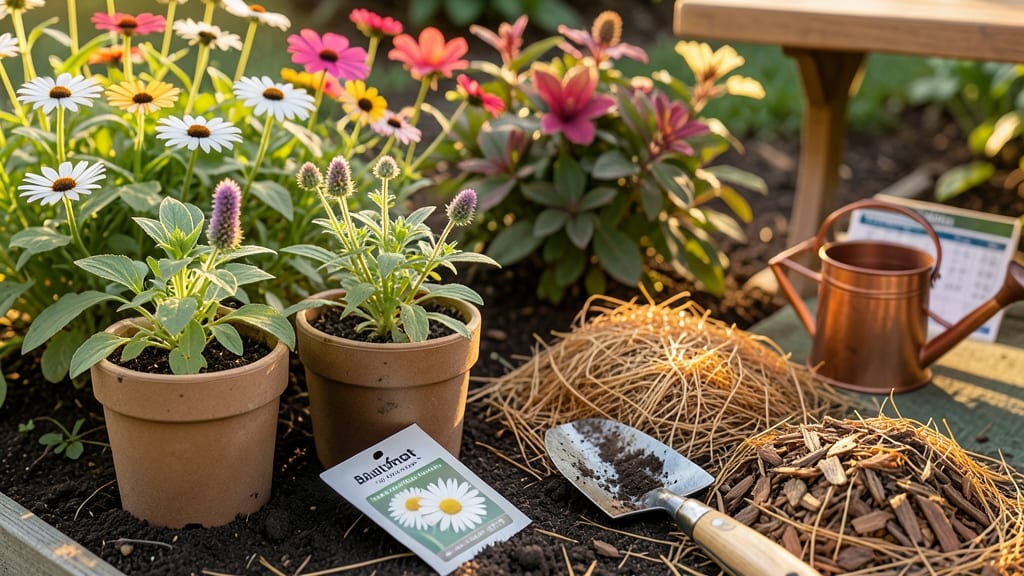
When to plant flowers in Alabama can make all the difference between a lush, thriving garden and a wilted disappointment. With the state’s 7a-8b zones offering everything from mountain chill to coastal warmth, planting too early or late throws off your entire growing season.
Most Alabama gardeners know the general rule—late winter to early spring and late summer to early fall—but the devil’s in the details. A 5-degree temperature swing overnight can wipe out tender seedlings, while waiting too long might leave you with summer heat stress.
I’ve spent years perfecting the schedule, and what I’m about to share will help you avoid those costly mistakes.
Whether you’re dreaming of azaleas blooming in Birmingham’s mild springs or petunias thriving in Mobile’s humidity, this guide breaks down the exact frost-free windows for your region.
You’ll learn when to start seeds indoors, when to transplant outdoors, and how to stretch your growing season with smart mulching and container tricks.
Ready to transform your yard into a year-round floral paradise? Let’s dive into the month-by-month planting calendar that keeps Alabama’s diverse climate working in your favor, not against it.
Alabama flower planting calendar: frost dates by region (2024 guide)
Alabama’s gardening zones range from Zone 7a in the mountains to Zone 8b along the coast, creating wildly different frost-free windows. In North Alabama, like Huntsville, last frosts average March 15-30, while South Alabama, such as Mobile, rarely sees frost after January 31.
Central Alabama (Birmingham) falls in between with March 1-15 as the typical cutoff.
For annual flowers, wait until 2 weeks after your region’s last frost date to avoid cold snaps. Perennials and bulbs can often handle cooler temps, so early spring planting (late February) works for hardy varieties like iris and daylilies.
Always check your local Alabama Cooperative Extension for yearly adjustments.
Here’s a quick reference for Alabama’s 3 main regions:
In North Alabama, cool-season flowers like pansies and snapdragons thrive when planted in late summer (August-September) for fall blooms. Meanwhile, South Alabama’s longer growing season lets you plant tropical annuals like hibiscus and cannas as early as February, even before the last frost.
For container gardening, you can push planting dates earlier by using heat mats or row covers in cooler zones. In Zone 7a, this means starting petunias and geraniums indoors by January 15 for a head start. Always harden off seedlings for 7-10 days before transplanting.
Heatwaves are another Alabama challenge. In Central Alabama, June-August temps can exceed 90°F, so opt for heat-tolerant flowers like zinnia and lantana during these months. Mulch with 2-3 inches of straw to retain moisture and protect roots.
Fall planting in Alabama offers a second chance for gardeners. August-September is ideal for warm-season annuals like cosmos and marigolds, while perennials like black-eyed Susans benefit from late summer soil prep. Aim to plant by October 15 to establish roots before winter.
Pro tip: Use Alabama’s "10-day rule"—if your region hasn’t had a frost in 10 consecutive days by April 1, it’s safe to plant tender annuals like begonias and impatiens. Monitor local National Weather Service alerts for unexpected cold snaps, especially in higher elevations.
🌸
Best flowers to plant in Alabama by season (cool vs. warm seasons)
Alabama’s two distinct planting seasons—cool-season (fall/winter) and warm-season (spring/summer)—determine which flowers thrive best. Cool-season blooms like pansies and dianthus love Alabama’s mild winters, while warm-season favorites such as hibiscus and marigolds need heat to flourish.
Let’s break down the top performers for each window, including native species that require minimal care.
For cool-season planting (August-October), focus on flowers that tolerate 50-60°F nights and bloom before summer heat arrives. These include snapdragons, calendulas, and lobelia, which handle Alabama’s humidity and occasional frost.
Warm-season flowers, planted after your region’s last frost (typically mid-March to April), include sunflowers, zinnias, and cosmos, which love the long, hot summers across most of the state.
🌸 Native Alabama flowers like black-eyed Susans and coneflowers are drought-tolerant and thrive in USDA Zones 7a-8b. These perennials return year after year with minimal maintenance, making them ideal for busy gardeners. For container gardening, opt for petunias or geraniums, which adapt well to urban heat islands like Birmingham.
🌿 Cool-Season Flowers (Plant August-October)
- Pansies – Thrives in 50-60°F, blooms until spring frost. 🌱 Drought-tolerant once established.
- Dianthus – Fragrant, heat-sensitive but perfect for fall. ✂️ Deadhead for continuous blooms.
- Snapdragons – Tall spikes add vertical interest; partial shade helps in hot zones.
- Calendulas – Edible petals, pest-resistant, and disease-free in Alabama’s climate.
- Lobelia – Trailing habit ideal for hanging baskets; loves moist soil.
☀️ Warm-Season Flowers (Plant March-April)
- Hibiscus – Humidity-loving; plant after last frost for tropical blooms.
- Marigolds – Pest-repellent; great for container gardens.
- Zinnias – Long-lasting cut flowers; thrive in full sun.
- Sunflowers – Fast-growing; ideal for children’s gardens.
- Cosmos – Drought-tolerant; attracts pollinators effortlessly.
If you’re in South Alabama (Zone 8a-9a), you can plant warm-season flowers as early as February thanks to milder winters. In North Alabama (Zone 7a), wait until mid-April to avoid late frosts that can damage tender blooms.
For extended seasons, use row covers or black plastic mulch to warm the soil and push planting windows.
Pro tip: Test your soil’s pH before planting—most Alabama flowers prefer 6.0-7.0. Amend clay soils with compost to improve drainage, especially for container-grown flowers. Mulch with pine straw to retain moisture and suppress weeds during Alabama’s hot, humid summers.
For low-maintenance blooms, prioritize native perennials like black-eyed Susans or butterfly weed. These pollinator magnets return year after year with zero fuss. Pair them with annuals for seasonal color, and you’ll have a stunning, resilient garden that thrives in Alabama’s ever-changing climate.