
Flowers
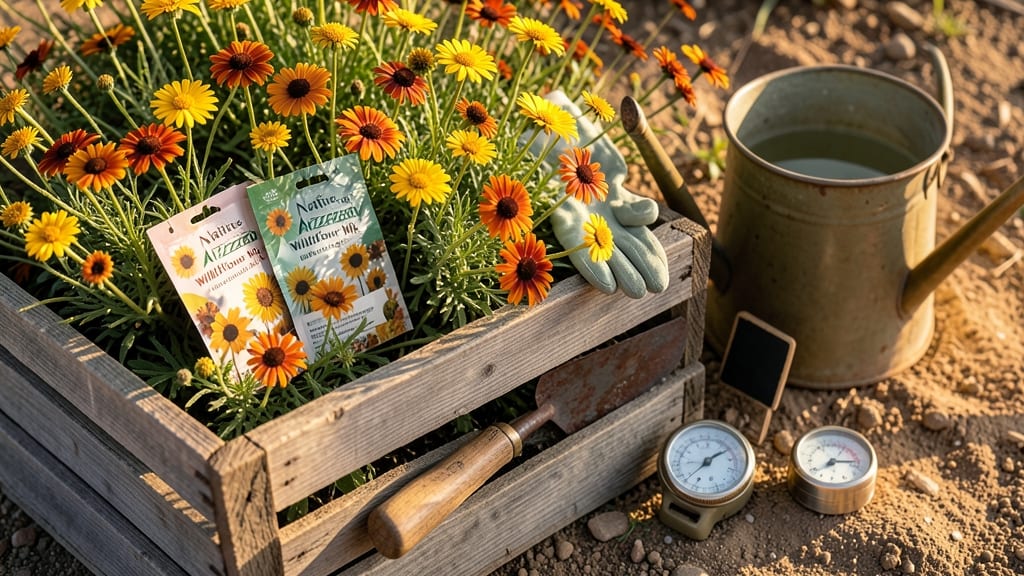
Planting your 🌸 flowers in Arizona at the wrong time means watching them wilt before they ever bloom—especially when summer heat can turn your garden into a sauna overnight.
The key to success lies in timing: fall and winter are your best bets, when temperatures dip just enough to give delicate roots a fighting chance.
Most Arizona gardeners assume they can plant anytime, but that’s a recipe for disappointment. Without the frost warnings of other regions, you’ve got to work with the desert’s natural rhythm—cool seasons mean less stress on your plants, while summer’s brutal heat forces you to choose only the toughest varieties.
I’ve learned the hard way which flowers thrive and which ones don’t make it past June.
What you’ll discover here are the exact months to plant for year-round blooms, plus the desert-smart tricks that keep your flowers lush even when the thermometer hits 110°F. Whether you’re in Phoenix or Flagstaff, these strategies will save you time, water, and frustration.
Let’s cut to the chase: skip the guesswork and start planting the right way—your future garden will thank you.
Arizona’s frost-free flower planting calendar: month-by-month survival guide
Arizona’s frost-free climate (USDA Zone 9b-11) means you can grow flowers year-round, but timing is everything. The key? Planting when soil temps stay mild and humidity is low—avoiding the brutal 110°F+ summers that fry tender seedlings.
My desert-smart strategy focuses on fall and winter planting for the best success, with adjustments for Low Desert (Phoenix), High Desert (Flagstaff), and Mountain Regions (Sedona).
In Low Desert areas, where temps rarely drop below 40°F, you can plant cool-season flowers like pansies and snapdragons even in December.
But in High Desert, where nights dip into the 20s°F, stick to November for frost-sensitive varieties. Native wildflowers, like Desert Marigold and Blackfoot Daisy, are your best bet—they’re heat- and drought-proof once established.
Here’s the month-by-month breakdown for annuals, perennials, and seasonal blooms, tailored to Arizona’s microclimates. Use this as your planting roadmap to avoid wilting before blooming.
Notice how Low Desert gardeners can plant year-round (with August and September being prime), while High Desert and Mountain Regions shift focus to fall and early spring to avoid frost risks. My pro tip: Use shade cloth
How to beat Arizona’s extreme heat: heat-resistant flowers and planting hacks
Arizona’s summer heat can turn your garden into a plant desert if you’re not strategic. The key to success? Choosing heat-tolerant flowers and adjusting your planting techniques to protect delicate roots and foliage. Unlike cooler climates, Arizona’s 110°F+ temperatures demand flowers that thrive under intense sun and minimal water.
Native and adapted varieties like Desert Marigold and Blackfoot Daisy have evolved to handle these conditions, but even they need the right care. I’ve tested dozens of varieties in my own Phoenix garden—here’s what actually works without wilting by noon.
🌡️ Top Heat-Tolerant Flowers for Arizona
🌡️ 115°F+ | 💧 Low water
🌡️ 120°F+ | 💧 Very low water
🌡️ 105°F+ | 💧 Medium water
🌡️ 110°F+ | 💧 Low water
⚠️ Planting Hacks for Summer Survival
🌱 Plant in deep shade cloth for first 2 weeks
💧 Water deeply at dawn (1–2 gallons)
❌ Use mulch with high nitrogen (burns roots)
❌ Water after sunset (encourages fungus)
One of my biggest mistakes was planting petunias in full sun—they lasted 3 days before crisping. Instead, I now use shade cloth (30–50% block) for the first two weeks after transplanting. This gives roots time to establish before the full desert sun hits.
For container gardens, switch to terracotta pots—they breathe better than plastic and reduce root rot. I also add hydrogel crystals to potting mix to lock in moisture during heatwaves. Even cactus soil (50% sand) helps prevent compaction in extreme heat.
If you’re planting in elevated areas (like Flagstaff), aim for late spring (April–May) when nights cool down. But in the Low Desert, stick to fall planting (September–November) to avoid the brutal summer sun entirely.
Pro tip: Deadhead flowers weekly—this forces plants to redirect energy into new blooms instead of seed production. My Lantana bushes now flower continuously from May through October because of this trick.