
Flowers
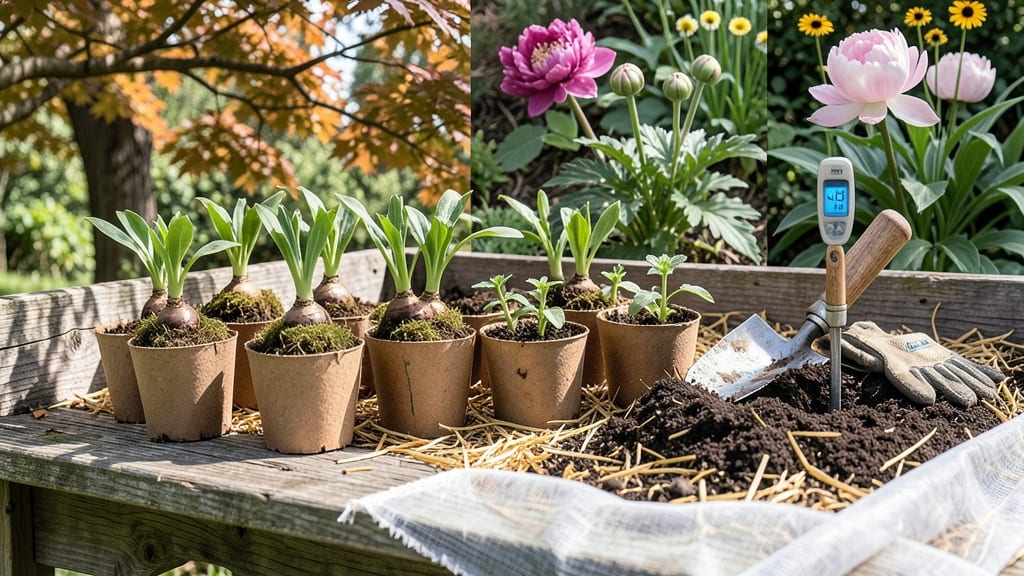
Timing your flower planting in Vermont wrong can mean the difference between a garden bursting with color and one that barely makes it past the first frost. With USDA zones 4b-6a and unpredictable frost dates, knowing exactly when to plant your 🌸 is the key to a thriving garden.
Most gardeners in Vermont wait until after the last frost—typically around May 15—but some cold-hardy annuals can handle a light frost. That means you can start planting as early as April 15 for varieties like pansies and sweet alyssum, while others need to wait until late May.
In this guide, I’ll break down the best planting windows for both spring and fall, so you can extend your garden’s beauty from early summer to late autumn. Whether you’re a seasoned gardener or just starting, these tips will help you avoid common mistakes and maximize your blooms.
Ready to transform your Vermont garden into a year-round showstopper? Let’s dive into the exact timing and varieties that work best in your climate zone.
Vermont’s last frost dates by region: exact timing for planting cold-hardy flowers
Vermont’s last frost dates vary dramatically across regions, making precise timing critical for your flower garden. In Burlington, the average last frost falls around May 15, while Rutland typically sees frost-free conditions by May 20.
Southern Vermont, including Bennington, often warms up even earlier—around May 10. These dates shift yearly, so always check the Vermont Weather Underground for updates before planting.
For cold-hardy annuals like pansies and sweet alyssum, you can start seeds indoors 6 weeks before your region’s last frost date. For example, Burlington gardeners should begin seeds around April 1, while Rutlanders can wait until April 5.
Transplant these resilient blooms outdoors 2-3 weeks before the last frost to give them time to establish roots.
Microclimates play a huge role in Vermont. South-facing slopes warm up faster, allowing you to plant 2 weeks earlier than the average date. Conversely, valleys and shaded areas may experience frost 1-2 weeks later. Keep a garden journal to track your local patterns—this helps adjust future planting schedules.
Historical data from the Vermont State Climate Office shows that late frosts in May aren’t uncommon. In 2020, Burlington saw frost as late as May 30, while St. Johnsbury experienced frost on June 5.
Use frost cloth or row covers for early plantings to protect tender blooms like marigolds and zinnias.
For late-blooming annuals such as cosmos and sunflowers, you can safely direct-sow seeds 2 weeks after your last frost date. These heat-loving flowers thrive in Vermont’s summer heat and often continue blooming until first frost in October. Plan for a second planting in early August to extend your season.
Perennials like coneflowers and black-eyed Susans can be planted in early spring as soon as the ground is workable, often by April 15 in most regions.
These hardy plants establish deep roots early, making them less vulnerable to late frosts. Mulch heavily around perennials to insulate roots during temperature swings.
If you’re unsure about your local frost date, use the USDA Plant Hardiness Zone Map as a guide. Vermont spans zones 3b to 6a, with northern areas (like St. Johnsbury) in zone 4, and southern areas (like Bennington) in zone 6.
Choose flowers rated for your specific zone to ensure success.
For container gardening, you have more flexibility. Move pots to sheltered locations at night if frost is forecasted. Containers also warm up faster in the sun, allowing you to plant 1 week earlier than in-ground flowers.
Just ensure containers have drainage holes to prevent root rot from Vermont’s spring rains.
Never rush planting! Soil temperature is just as important as air temperature. Use a soil thermometer to confirm your soil has reached at least 50°F before planting. Cold soil slows germination and weakens young plants, making them more susceptible to disease and pests.
🌱
Vermont Last Frost Dates by Region
| Region | Avg. Last Frost | Plant Hardiest Annuals | Plant Heat-Lovers |
|---|---|---|---|
| Burlington (Zone 5a) | May 15 | Pansies, Sweet Alyssum (April 15) | Cosmos, Sunflowers (May 30) |
| Rutland (Zone 4b) | May 20 | Calendula, Snapdragons (April 20) | Zinnias, Marigolds (June 5) |
| Southern VT (Zone 6a) | May 10 | Iceland Poppies, Larkspur (April 1) | Dahlias, Celosia (May 20) |
| Northern VT (Zone 4a) |
Best cold-hardy annual flowers for Vermont’s short season: 7 top picks that survive frostVermont’s short growing season and unpredictable frosts demand flowers that can handle 28°F temperatures or better. The good news? Many annuals thrive in these conditions, giving you vibrant color from early spring through fall. I’ve handpicked 7 cold-hardy annuals that will reward you with long-lasting blooms, even when Mother Nature throws curveballs. These varieties aren’t just tough—they’re versatile, fitting into containers, borders, and even winter gardens with proper protection. Whether you’re planting in Burlington’s Zone 5 or Rutland’s Zone 4b, these flowers will outperform most store-bought bedding plants that wilt at the first frost. 🌱 Pro Tip: Start seeds indoors 6-8 weeks before your last frost date (early April for most Vermonters) to get a head start on the season. For direct sowing, wait until soil temperatures hit 50°F—usually mid-May. Cold Tolerance Ratings
★★★★★
Survives to 15°F
★★★★★
Pansies
Survives to 25°F
Blooms: Spring-Fall
★★★★☆
Sweet Alyssum
Survives to 28°F
Blooms: May-October
★★★☆☆
Calendula
Survives to 30°F
Blooms: June-Frost
★★★★☆
Iceland Poppies
Survives to 20°F
Blooms: June-August
★★★☆☆
Snapdragons
Survives to 32°F
Blooms: July-Frost
★★★★☆
Sweet Peas
Survives to 28°F
Blooms: June-September
★★★☆☆
Stock (Matthiola)
Survives to 30°F
Blooms: June-October
★★★★☆
Violas
Survives to 25°F
Blooms: April-Frost
My top recommendation for early-season color is pansies and violas. These winter-hardy annuals can handle light frosts and even snow cover, making them perfect for April planting. Pair them with sweet alyssum for a sweet-smelling, low-growing border that attracts pollinators from spring to fall. For summer-long blooms, calendula and snapdragons are my go-tos. Calendula’s edible petals add a pop of color to salads, while snapdragons’ vertical growth creates stunning focal points. Plant snapdragons in succession every 2 weeks from May to July for continuous blooms through frost. Don’t overlook Iceland poppies—their delicate papery blooms and frost resistance make them ideal for rock gardens or containers. They self-seed readily, so you’ll have new plants popping up for years to come with minimal effort. 🌷 Planting Tip: Mix these cold-hardy annuals with perennials like coneflowers or black-eyed Susans for a garden that stays vibrant from spring through fall. Use mulch to protect roots from temperature swings, and always water at the base of plants to prevent |