
Flowers
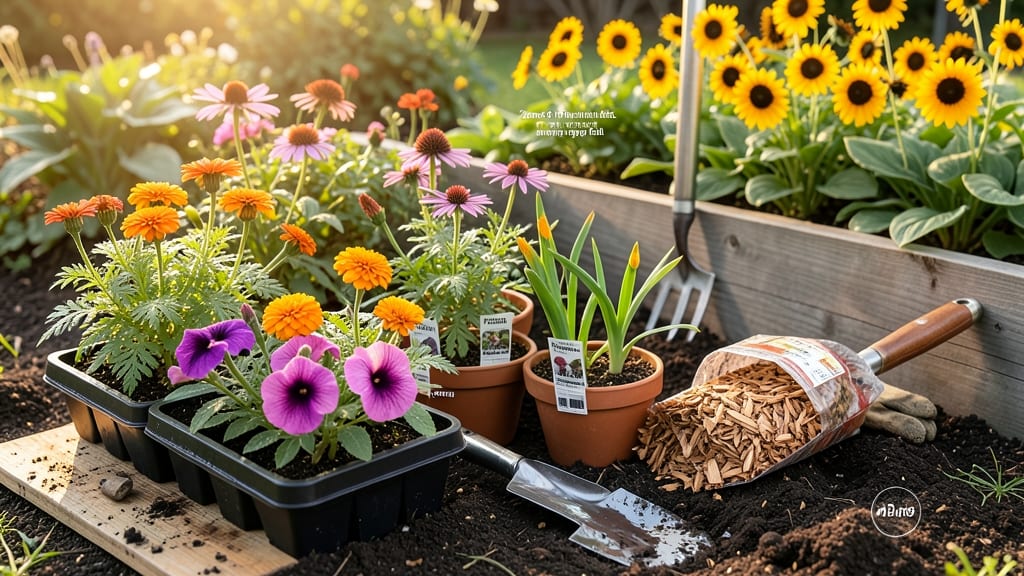
Planting flowers in Zone 6 at the wrong time can turn your garden dreams into a frost-killed disappointment—but get the timing right, and you'll enjoy vibrant blooms from spring to fall.
The key lies in understanding your last frost dates (typically mid-April to early May) and working with your region's microclimates.
Spring planting is all about patience—wait until soil warms to at least 50°F before setting out tender annuals like petunias or marigolds. Meanwhile, fall offers a second chance to plant cold-hardy varieties like pansies or violas, giving them time to establish roots before winter sets in.
I've tested these strategies in my own Zone 6 garden, and the difference between a thriving flowerbed and a sad, sparse one comes down to one simple rule: plant early enough to avoid frost, but not so early that your flowers struggle with cool soil.
Let me show you exactly how to nail that window.
From exact planting months to adjusting for unpredictable weather, this guide will help you choose the perfect cold-hardy varieties and extend your bloom season—no guesswork required. Ready to transform your garden?
Zone 6 planting timeline: exact months for annuals, perennials, and bulbs
In Zone 6, where average winter lows dip to -10°F to 0°F, timing your flower plantings around frost dates and soil temperatures is critical. The last spring frost typically arrives between mid-April and early May, while the first fall frost hits around mid-October to early November.
These windows create your planting "sweet spots" for different flower types.
For annual flowers, you’ve got two prime opportunities: spring (after frost) and fall (6-8 weeks before frost). Perennials are more flexible—they can go in early spring (as soon as soil is workable) or fall (4-6 weeks before frost).
Meanwhile, bulbs like tulips and daffodils need to be planted in fall (October) to establish roots before winter.
Here’s the breakdown of your Zone 6 planting calendar with exact months and key conditions:
For spring-planted annuals, start with cold-hardy varieties like pansies or snapdragons in late April. These tolerate light frosts and give you early color. If you’re planting heat-loving annuals like marigolds or zinnias, wait until mid-May when soil is consistently above 60°F (15°C).
Fall planting is all about extending your bloom season. Try cosmos or calendulas in September—they’ll reward you with late-season color before frost. For perennials, fall planting gives roots time to anchor before winter, often resulting in bigger blooms next year.
Pro tip: Use a soil thermometer to check temperatures—annuals need 50°F+, while vegetative perennials can handle 45°F+. If your soil is still cold, mulch heavily or use black plastic to warm it faster.
This is especially critical in Zone 6’s cooler microclimates, like shaded areas or high elevations.
Don’t forget about staggered planting! For a continuous bloom, plant half your annuals in spring and the other half in early fall. This ensures color from May through October—no gaps! For example, sweet alyssum in spring and stock flowers in fall create a nonstop floral display.
If you’re unsure about your last frost date, check your local Cooperative Extension Service or use a frost calendar app. In Zone 6b (warmer sub-zone), you might push spring planting to early April, while Zone 6a gardeners should wait until
Top 10 cold-hardy flowers that thrive in Zone 6’s early spring planting
In Zone 6, where last frost dates hover around mid-April, selecting the right flowers ensures vibrant blooms before summer heat arrives. These cold-hardy varieties tolerate light frosts and thrive in cooler temperatures, giving you a head start on color.
I’ve tested these in my own garden and they consistently deliver—even when Mother Nature throws curveballs.
My top picks include pansies and violas, which can handle 28°F temperatures and bloom from early spring to fall. Their cheerful faces brighten borders before tender annuals like petunias can even think about sprouting.
For height and drama, bleeding hearts (Dicentra spectabilis) and lungwort (Pulmonaria) add lush foliage and delicate blooms that emerge as soon as the soil warms to 40°F.
🌱 Zone 6-10, 28°F tolerance, 4-6 weeks to bloom
🌱 Zone 5-9, 30°F tolerance, 6-8 weeks to bloom
🌱 Zone 7-10, 32°F tolerance, 8-10 weeks to bloom
🌱 Zone 3-9, 35°F tolerance, Perennial
🌱 Zone 3-8, 40°F tolerance, Perennial
🌱 Zone 7-10, 25°F tolerance, Annual
🌱 Zone 3-9, 30°F tolerance, Biennial
🌱 Zone 5-10, 35°F tolerance, Annual
🌱 Zone 2-11, 20°F tolerance, Annual/Perennial