
Plants
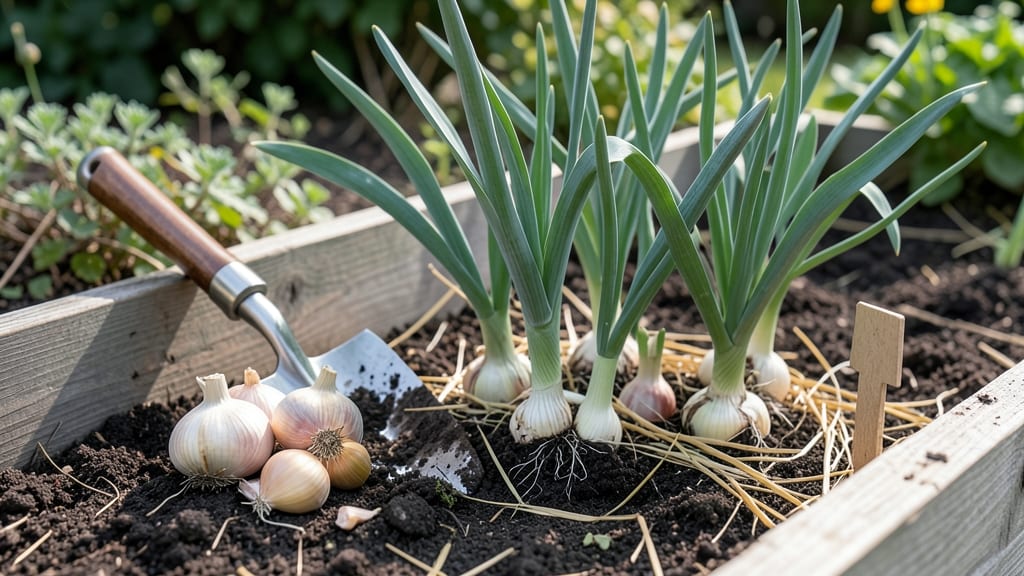
Timing your spring garlic planting in North Carolina isn’t just about the calendar—it’s about matching your variety to the state’s unique chill-hour zones for the biggest, bulbiest harvest.
Plant too early, and your 🧄 might bolt before forming proper cloves. Too late, and summer heat will stunt growth before bulbs mature.
Most NC gardeners swear by late January to early February for hardneck varieties, while softneck types can wait until March. But here’s the catch: your exact zone (7a-8b) dictates the perfect window.
Whether you’re in the Piedmont’s milder climate or the Mountains’ cooler air, we’ll break down the chill-hour math so you never miss the sweet spot.
Ready to grow garlic that rivals the grocery store? I’ll walk you through soil prep, the right depth for planting, and even how to tell when your cloves have enough cold to thrive. No more guessing—just proven NC timing for garlic that’s ready by June.
Let’s get your garlic in the ground at the exact moment it needs to grow, not just when it’s convenient. Your future meals (and your neighbors’ jealous glances) will thank you.
NC chill-hour zones: how to match hardneck vs softneck garlic planting times
North Carolina’s diverse climate—from the cool Mountains to the humid Coastal Plain—means garlic planting times vary dramatically. The key factor? Chill hours, which trigger bulb formation.
Hardneck varieties need 400-600 chill hours, while softnecks thrive with 300-500 hours. Without enough cold, your garlic will bolt (flower) instead of forming bulbs.
NC spans USDA Zones 7a-8b, but chill-hour zones tell the real story. The Mountains (Zone 7a) get 1,000+ hours, while the Coastal Plain (Zone 8a) may see as few as 300.
This mismatch explains why hardnecks struggle in Wilmington but excel in Asheville. Let’s break it down by region to avoid wasted effort.
🌱
| Region | Chill Hours | Best Varieties | Spring Planting Window |
|---|---|---|---|
| Mountains (Asheville, Boone) | 900-1,200 hrs | Hardnecks: Rocambole, Purple Stripe | Late Jan–Early Feb |
| Piedmont (Raleigh, Greensboro) | 600-800 hrs | Hardnecks: German White, Silverskin | Mid-Feb–Early March |
| Coastal Plain (Wilmington, Fayetteville) | 300-500 hrs | Softnecks: Artichoke, Creole | Mid-March–April |
For Mountain gardeners, hardnecks like Rocambole thrive when planted in late January. Their long chill periods prevent bolting and ensure plump bulbs by June.
In contrast, Coastal Plain growers should stick to softnecks like Artichoke, which tolerate warmer winters. Planting hardnecks here? They’ll flower instead of forming bulbs.
Pro tip: Check your local chill hours using the NC State Climate Office or a chill-hour calculator. Even within regions, microclimates matter—e.g., a north-facing slope in the Piedmont may add 100+ chill hours compared to a south-facing yard. Adjust your variety choice accordingly.
Soil temperature also plays a role. Garlic roots need 40-50°F soil to establish before spring warmth kicks in. In the Coastal Plain, wait until soil temps stabilize above 50°F (usually mid-March) to avoid rot. Use a soil thermometer if unsure—it’s cheaper than wasted seed potatoes.
🌿
Hardnecks need cold to form bulbs, but too much cold can stress plants. In the Mountains, where winters linger, plant 2-3 weeks earlier than the chart suggests to avoid frost damage during shoot emergence.
Meanwhile, Piedmont gardeners can push the envelope with early German White varieties, which handle 500-600 chill hours well.
Remember: Spring planting is a gamble in NC’s warmer zones. For reliable bulbs, fall planting (October-November) is ideal—it gives roots time to establish before winter.
But if you’re committed to spring, prioritize softnecks in the Coastal Plain and hardnecks in the Mountains. Your garlic’s future depends on these matches.
✂️
Step-by-step NC spring planting timeline: when to break dormancy for bulb formation
Spring garlic planting in North Carolina requires careful timing to ensure your cloves get the chill hours they need while avoiding summer heat stress. Unlike fall planting, spring garlic relies on pre-chill treatment to simulate winter dormancy. This process mimics the natural cold period garlic needs to form bulbs.
For NC gardeners, the best time to plant spring garlic is between late January and early February in the Mountains, March for Piedmont, and early April for Coastal Plain regions. These windows align with soil temperatures between 40-50°F, which is ideal for root establishment before summer heat arrives.
Here’s my step-by-step timeline to ensure your garlic breaks dormancy at the right time and establishes strong roots before summer:
🌱 NC Spring Garlic Planting Timeline
- Late January (Mountains) or February (Piedmont): Pre-chill garlic cloves for 6-8 weeks in the fridge (32-40°F). This mimics winter dormancy.
- Early March (Mountains) or Mid-March (Piedmont): Test soil temperature—plant only when it reaches 40-50°F (use a soil thermometer).
- March (Mountains) or Late March (Piedmont): Plant cloves 2 inches deep, pointed end up, 4-6 inches apart in well-draining soil.
- April (Coastal Plain): Plant after last frost (typically after March 15) when soil warms to 50°F.
- April-June: Mulch heavily (3-4 inches of straw) to retain moisture and regulate soil temperature.
- June-July: Reduce watering as bulbs mature—let soil dry slightly between waterings to prevent rot.
- Mid-June: Harvest when lower leaves turn brown and bulbs feel firm when squeezed.
One critical tip for NC gardeners: Hardneck varieties (like Silverskin or Rocambole) need more chill hours (400-600), so plant them earlier in the Mountains. Softneck varieties (like Artichoke) tolerate fewer chill hours (300-500) and can be planted later in the Piedmont or Coastal Plain.
If you miss the ideal window, don’t panic! You can still plant garlic in early April for Coastal NC, but expect smaller bulbs. The key is ensuring your garlic gets 6-8 weeks of cold treatment before active growth begins—this is what triggers bulb formation.
Pro tip: Mark your calendar for March 15 (last frost date)—this is your cutoff for planting in most of NC. After this date, focus on protecting young plants from late frosts with row covers or mulch.