
Plants
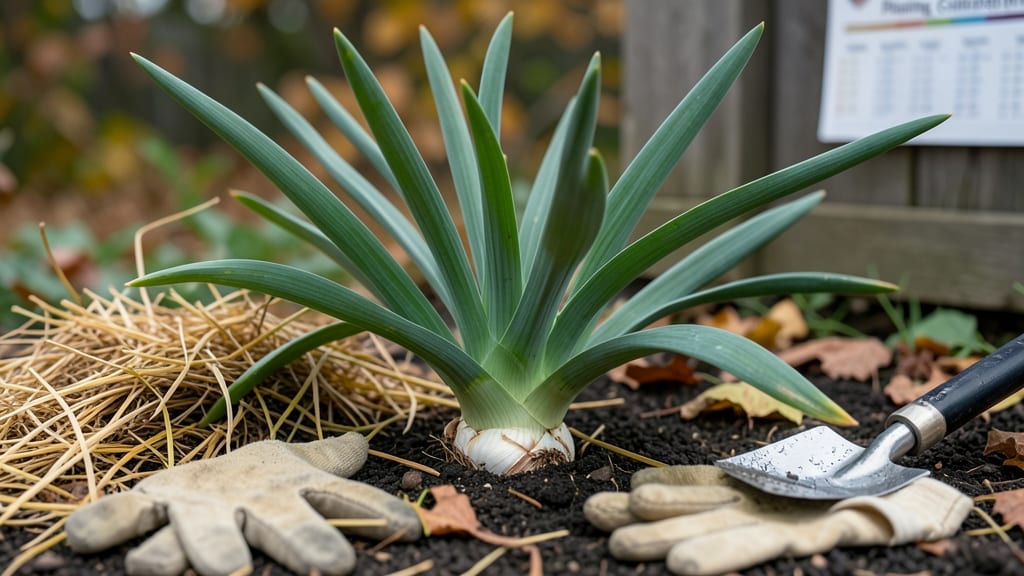
Planting garlic in North Dakota isn't just about timing—it's about outsmarting the 4a-5b zone's fierce winters to grow bold, flavorful bulbs that rival any store-bought variety.
The difference between a thriving crop and a frozen failure often comes down to those 4-6 weeks before the ground freezes, when cloves need to root deeply but not sprout too soon.
I've learned the hard way that waiting until October might mean your garlic never fully establishes, while planting in September risks early growth that won't survive the first frost.
The sweet spot? Late September to early October, when soil temperatures hover around 50°F—just cold enough to deter premature sprouting but warm enough for roots to take hold.
But what if your fall planting window slips? Don't panic—spring planting in early April still works, though it demands extra attention to soil warming and protection from late frosts.
The key is adapting to North Dakota's unpredictable weather, whether that means adjusting mulch depth or choosing varieties that thrive in shorter growing seasons.
Let me walk you through the exact steps to time your planting, from selecting the right garlic type to protecting your crop through winter.
With the right approach, you'll harvest plump, papery-skinned bulbs by mid-July—proof that even in the coldest climates, great garlic is just a few weeks of planning away.
North Dakota garlic planting deadlines by variety (hardneck vs softneck vs elephant garlic)
North Dakota’s USDA Zones 4a-5b create a tight window for planting garlic, but the right variety can make all the difference. Hardneck garlic thrives in our cold winters, while softneck and elephant garlic need extra protection.
The key is planting 4-6 weeks before the ground freezes—typically late September to early October—when soil temps hit 50°F.
I’ve grown garlic in Fargo for years, and I’ve found that hardneck varieties like German White and Chesnok Red handle our winters best, while softneck Artichoke struggles unless planted early. Elephant garlic, a milder cousin, also works but requires deeper mulching to survive freeze-thaw cycles.
Here’s how to align your planting with North Dakota’s climate and your harvest goals:
| Variety | Best Planting Window | Harvest Time | Cold Hardiness | Notes |
|---|---|---|---|---|
| Hardneck (e.g., German White) | Late Sep–Early Oct | Mid–Late July | Zone 3-4 | Best for ND; sturdy scapes |
| Softneck (e.g., Artichoke) | Early Sep–Mid Oct | Late July–Early Aug | Zone 4-5 | Needs deeper mulch; milder flavor |
| Elephant Garlic | Late Sep–Early Oct | Mid–Late July | Zone 4 | Larger bulbs; needs extra insulation |
For early harvests, plant hardneck varieties in late September. If you miss that window, spring planting in early April still works, but you’ll need to protect seedlings from late frosts with cloches or row covers. The goal is to ensure cloves root before soil temps drop below 40°F.
One trick I’ve used in Bismarck is to plant garlic in raised beds filled with a mix of compost and straw. This warms soil faster in spring and drains better in our wet springs.
I also mark my calendar for September 15th—the average first frost date—as my absolute deadline for fall planting.
If you’re aiming for early July harvests, opt for softneck varieties and plant them by September 1st. These mature faster but are less cold-hardy, so they need 6+ inches of mulch (straw or leaves) to survive winter.
For hardneck garlic, which stores better, I wait until September 15th to ensure the bulbs have time to establish before winter sets in.
Pro tip: Use a soil thermometer to confirm temps are 50-55°F before planting. Cold soil slows root growth, and warm soil can trigger early sprouting—both kill your chances of a good harvest.
In my garden, I’ve seen cloves planted in 60°F+ soil sprout too soon and get fried by the first frost.
Don’t forget that garlic planted in spring (early April) will harvest 2-3 weeks earlier than fall-planted garlic, but the bulbs tend to be smaller. This is a trade-off I make when I miss the fall window—smaller bulbs are still better than none!
How to adjust planting timing for North Dakota’s unpredictable weather patterns
North Dakota’s weather can throw even the most experienced gardeners for a loop—one day it’s 60°F and sunny, the next it’s 20°F with snow. That’s why I’ve developed a flexible approach to garlic planting that accounts for these swings.
The goal is to give your cloves enough time to root before winter sets in, but not so much that they sprout prematurely and get fried by early frosts.
First, I always check the soil temperature—it should be between 40°F and 50°F when planting. If it’s warmer, your garlic might bolt; if it’s colder, roots won’t establish.
Use a soil thermometer to avoid guesswork. For extra insurance, I plant a few test cloves a week before my target date to see how they respond.
Here’s my backup plan for when fall planting gets tricky: - If temperatures stay above 50°F past early October, delay planting until late October or even early November—but only if the ground hasn’t frozen yet. - If a hard freeze hits unexpectedly, cover newly planted beds with straw mulch (4-6 inches thick) to insulate the soil and protect emerging roots. - For spring planting, wait until the soil reaches 45°F and stays above freezing for at least 24 hours.
Early April is ideal, but don’t rush—cold soil slows root growth.
⚠️ Late Frost Risk: Protect Your Garlic
North Dakota’s last spring frost often hits around May 15, but it can arrive as late as June 1. To shield your garlic from late frosts, use floating row covers or cloches until danger of frost has passed. Remove covers during the day to allow sunlight and replace them at night. This simple step can mean the difference between a thriving crop and a failed one.
Another trick I swear by is soil warming for spring plantings. Spread black plastic mulch over the bed 2-3 weeks before planting to raise soil temperatures by 10-15°F.
Remove it once cloves are in the ground to avoid overheating. This method has helped me extend my spring planting window by 10-14 days in cooler years.
Don’t forget to monitor moisture levels during unpredictable thaws. Snowmelt or sudden rain can lead to waterlogged soil, which rots garlic cloves. If your beds are soggy, create raised rows with compost-amended soil to improve drainage. A well-drained site is non-negotiable in North Dakota’s wet springs.
Finally, keep a planting journal to track your success (or failures) year to year. Note the exact dates you planted, soil temperatures, and any weather anomalies. Over time, you’ll spot patterns—like the year your garlic bolted because of an unseasonably warm September—that help you fine-tune your timing.
Last year, I learned that planting hardneck varieties a week earlier than softnecks gave them the extra cold they needed to form scapes.