
Plants
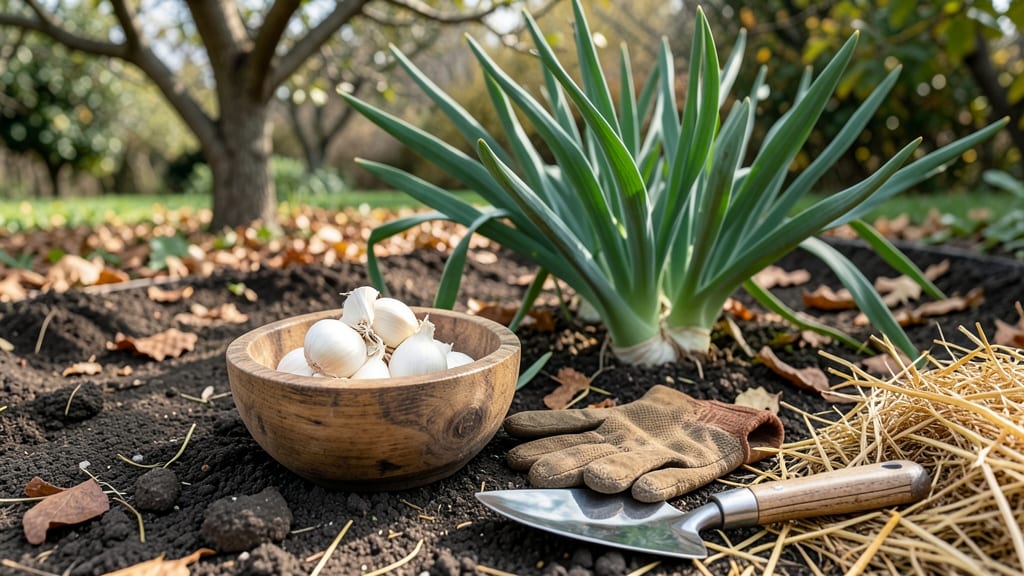
To plant garlic in Ohio spring and guarantee those plump, flavorful bulbs you’ve been dreaming of, timing is everything—and getting it wrong could mean tiny, weak harvests.
The 4-6 week window before your last frost (around mid-April for most of Ohio’s 6a zone) is your sweet spot, but late frosts or cold soil can throw off even the best-laid plans.
Spring planting might feel risky after fall’s reliability, but with the right adjustments—like testing soil temperature or using row covers—you can still grow high-quality garlic in Ohio.
I’ll walk you through the exact steps to time your planting perfectly, from soil prep to variety selection, so you’re not left guessing when those 🧄 cloves should hit the dirt.
Why does this matter? Because Ohio’s unpredictable spring weather can turn a great harvest into a gamble.
Whether you’re a first-time grower or a seasoned gardener, knowing the ideal planting weeks and how to adapt for frost delays will save you time, frustration, and maybe even a few extra bulbs for next year’s crop.
Let’s break down the science behind Ohio’s planting schedule, the best garlic varieties for your zone, and how to troubleshoot those pesky weather hiccups. By the end, you’ll know exactly when to plant—and how to set yourself up for a harvest that’ll make your kitchen (and taste buds) sing.
Ohio’s best garlic planting weeks by hardiness zone (5-7)
Ohio’s USDA Zones 5-7 create a unique challenge for garlic growers—the last spring frost can arrive as late as April 15, while soil temperatures must reach 40°F for successful germination.
Unlike fall planting (my preferred method), spring garlic thrives when planted 2-3 weeks before your zone’s last frost date, giving bulbs enough time to mature before summer heat sets in.
For Zone 5a (northwest Ohio), aim for March 15-30—soil warms slowly here, so don’t rush planting. In Zone 6a (central Ohio), the sweet spot is March 20-April 5, while Zone 7b (southern Ohio) can wait until March 25-April 10.
These windows balance frost risk with bulb development time, ensuring 7-8 month growth cycles before harvest.
Pro tip: Use a soil thermometer—garlic cloves won’t sprout until soil hits 40°F consistently. In Ohio’s unpredictable springs, this can mean waiting until early April in colder microclimates. Patience here prevents rot and ensures strong starts.
Your soil prep matters just as much as timing. Ohio’s clay-heavy soils benefit from compost amendment (add 2-3 inches) and a balanced fertilizer (10-10-10) at planting. Test your pH—garlic prefers 6.0-7.0. If your soil’s too acidic, add lime in fall to adjust before spring planting.
| Zone | Last Frost Date | Ideal Planting Window | Soil Temp Threshold | Bulb Maturity |
|---|---|---|---|---|
| 5a (NW Ohio) | April 15 | March 15-30 | 40°F+ | July 15-Aug 1 |
| 6a (Central) | April 10 | March 20-April 5 | 40°F+ | July 1-Aug 15 |
| 7b (S Ohio) | April 5 | March 25-April 10 | 40°F+ | July 15-Aug 20 |
If you’re planting in containers, Ohio’s shorter growing season works in your favor—containers warm up faster. Use 5-gallon pots with drainage holes and plant 2-3 cloves per pot. Place containers in full sun (6+ hours) and protect from late frosts with frost cloth until soil temps stabilize.
One common mistake? Planting too deeply or shallowly. Aim for 2 inches deep, with the pointy end up. Space cloves 4-6 inches apart in rows 12 inches apart to prevent crowding. Overcrowding leads to smaller bulbs and increased disease risk—critical in Ohio’s humid summers.
For organic growers, add composted manure (cow or chicken) in fall and top-dress with worm castings at planting. Avoid fresh manure—it burns garlic roots. Mulch with straw after shoots emerge to retain moisture and suppress weeds, especially in Zone 5a’s dry springs.
Remember: Spring-planted garlic in Ohio won’t store as long as fall-planted varieties, but it’s perfect for fresh summer harvests. If you love roasted garlic or garlic scapes, spring planting is your best bet for early-season flavor.
Ohio’s best garlic planting weeks by hardiness zone (5-7)
Ohio spans USDA zones 5a-7b, and your garlic planting window depends on where you live. For most of the state—especially zone 6a—the ideal spring planting window is mid-March to early April, but timing shifts slightly based on frost risk.
In colder zone 5a (northeast Ohio), wait until late March to mid-April, while warmer zone 7b (southwest Ohio) can start as early as early March.
Garlic thrives when soil temperatures hit 40°F (4°C), but it can’t tolerate late frosts after sprouting. Use your last frost date (around April 15 for most of Ohio) as your anchor: plant 2-3 weeks before that date to give bulbs time to establish roots before summer heat sets in.
For example, if your last frost is April 20, aim for a March 25 planting.
Here’s how Ohio’s zones break down for spring planting:
Before planting, prep your soil by mixing in 2-3 inches of compost to improve drainage—garlic hates soggy roots. Test your soil’s pH too; aim for 6.0-7.0, the sweet spot for bulb development.
If your soil is heavy clay (common in Ohio), consider raised beds to prevent waterlogging, which can rot cloves before harvest.
Pro tip: Use a soil thermometer to confirm temperatures. If soil stays below 40°F for more than a week, delay planting until conditions improve. Garlic is patient, but cold soil stunts root growth, leading to smaller bulbs.
Once planted, mulch with straw or leaves to insulate roots and retain moisture as temperatures fluctuate.
Remember, spring-planted garlic in Ohio matures slightly later than fall-planted varieties, often ready by mid-to-late July. The trade-off? Fewer pests and no overwintering stress. With the right timing and soil prep, your bulbs will be bold, flavorful, and ready for braiding by harvest season.