
Plants
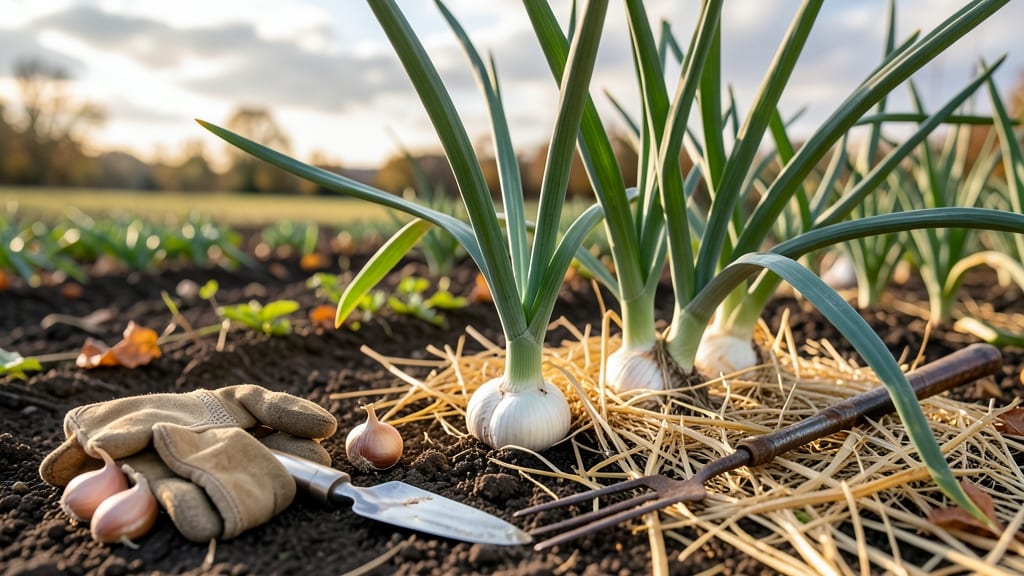
Planting garlic in Rhode Island at the wrong time means waiting months for bulbs that might never reach their full potential. The key to a bountiful harvest lies in timing—specifically, those crisp fall weeks when the ground cools but hasn’t frozen yet.
For Rhode Island’s 6b climate, October and November are your best bets, giving 🧄 cloves the cold they crave to develop strong roots before winter. But if you miss that window, don’t panic—there are still ways to adjust for early frosts or late starts.
Let’s break down the exact steps to plant garlic so you’re harvesting plump bulbs by next summer.
Hardneck varieties, the star of Rhode Island gardens, thrive in cold winters, but they need to be in the ground 4-6 weeks before frost. That means if your first frost hits November 1, aim for early October plantings.
Softneck garlic, while less common here, can also work if planted slightly later—but hardnecks are the true winners for flavor and hardiness.
Once you’ve got the timing down, the real secret is mulching and soil prep. A thick layer of straw or leaves keeps the soil insulated, protecting your cloves from extreme cold while they establish.
With the right approach, you’ll go from fall planting to summer harvests of juicy, flavorful garlic that’s the envy of every kitchen.
Best planting months for garlic in Rhode Island’s climate
Rhode Island’s USDA Zone 6b climate creates the perfect fall planting window for garlic, but timing is critical. Hardneck varieties—like ‘Music’ or ‘German White’—thrive when planted 4-6 weeks before the first hard frost, typically between mid-October and early November. This ensures cloves establish roots before winter dormancy begins.
For Rhode Island’s average frost dates, aim to plant between October 15 and November 1. If you miss this window, December planting is still possible, though bulbs may be smaller. The key is soil temperatures below 40°F—garlic needs cold to form bulbs properly.
Local gardeners often use the “10-10-10 rule” as a guideline: plant when daytime highs are 70°F, nighttime lows drop to 50°F, and soil temps hit 60°F. This usually aligns with late October in most of the state.
Here’s how Rhode Island’s microclimates affect planting: Coastal areas like Newport or Narragansett may experience earlier frosts, so plant by mid-October. Inland regions like Providence or Woonsocket can wait until early November due to slightly later frost dates.
If you’re unsure about frost dates, check the Rhode Island Agricultural Experiment Station or use a local weather app for real-time updates. Remember, garlic planted too late may sprout early and get damaged by winter freezes.
📅 Rhode Island Garlic Planting Timeline
| Stage | Action | Notes |
|---|---|---|
| Late September | Prep soil: loosen, amend with compost | pH 6.0–7.0 ideal |
| Mid-October | Plant hardneck cloves 2" deep | Pointy end up, 6" apart |
| November 1 | Mulch with 4" straw | Protects from freeze-thaw cycles |
| April–May | Remove mulch, fertilize lightly | Use 10-10-10 at 1 tbsp/plant |
| June–July | Harvest when lower leaves brown | Cure in dry, shaded area |
After planting, mulching is non-negotiable in Rhode Island’s unpredictable winters. Use 4–6 inches of straw to insulate cloves and prevent heaving during freeze-thaw cycles. Remove mulch in early spring (March–April) to allow soil to warm and encourage growth.
For container gardening, plant garlic in deep pots (12"+) with drainage holes. Use a lightweight potting mix and place containers in full sun. Containers warm faster in spring, so fertilize 2 weeks earlier than in-ground plants.
If you’re growing garlic for scapes (the curly flower stalks), harvest them when they form a tight loop—usually in late May to June. This redirects energy to bulb production, resulting in larger harvests. Just leave 3–4 leaves on the plant after cutting scapes.
Pro tip: Save your best bulbs for next year’s planting! Select the largest, healthiest cloves from your harvest, peel them, and store in a cool, dry place until fall. This ensures you’ll always have high-quality planting stock for Rhode Island’s climate.
Best planting months for garlic in Rhode Island’s climate
Rhode Island’s USDA Zone 6b climate means garlic thrives when planted in fall, but timing is critical. The ideal window is between mid-October and early November, giving cloves time to root before the ground freezes.
This aligns with Rhode Island’s first frost date, typically around November 1, ensuring garlic gets the 4-6 weeks of cold it needs to form bulbs properly.
If you miss this window, you can plant in early December, but expect smaller yields. The key is planting 4-6 weeks before the ground freezes—this lets roots establish while the plant remains dormant through winter.
Hardneck varieties, like ‘Music’ or ‘German White’, are best suited for Rhode Island’s climate, as they require cold stratification to form bulbs.
🌱 Garlic Planting Timeline for Rhode Island
| Stage | Action | Notes |
|---|---|---|
| Mid-October | Plant cloves 2" deep | Best for hardneck varieties |
| Early November | Plant if ground isn’t frozen | Smaller bulbs likely |
| December | Avoid unless emergency | Risk of frost damage |
| Spring (March) | Harvest scapes (hardneck) | Cut scapes to boost bulbs |
| June-July | Harvest bulbs | When lower leaves brown |
Soil temperature matters too. Aim for 40–50°F soil when planting—this ensures roots grow without sprouting. Test your soil’s drainage first; garlic hates soggy conditions. Amend with compost if your soil is heavy clay, common in Rhode Island’s coastal areas.
A pH of 6.0–7.0 is ideal, so test and adjust if needed.
For container gardening, plant cloves in well-draining pots by mid-October. Use a mix of potting soil and compost to mimic garden conditions. Containers warm up faster in spring, so monitor for early sprouting. If your garlic starts growing too soon, move pots to a shady spot until temperatures stabilize.
Pro tip: Label your garlic beds with the planting date. This helps track varieties and adjust care as seasons change. Hardneck garlic planted in October often produces scape shoots in spring, which you can harvest for flavorful greens while the bulbs mature below ground.
Missed the fall window? Don’t panic. You can still plant garlic in early spring (March), but yields will be smaller. Spring-planted garlic lacks the cold stratification needed for full bulb development, so it’s best for green garlic or scapes rather than mature bulbs.
Finally, mulch your garlic beds with straw or leaves after planting. This insulates cloves from freeze-thaw cycles and suppresses weeds. In Rhode Island’s unpredictable winters, mulch can mean the difference between a thriving crop and a failed one.