
Plants
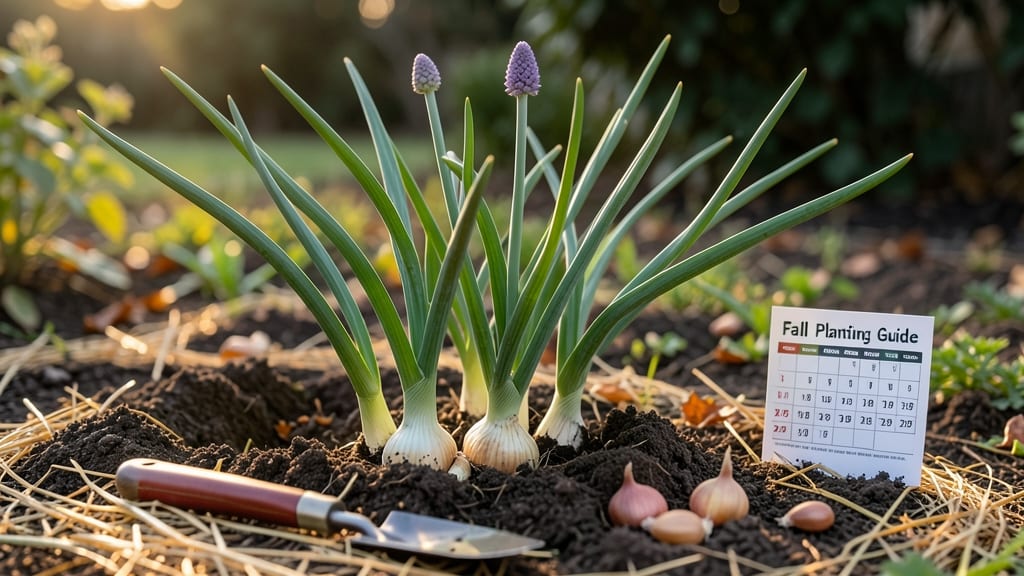
Planting garlic in Western NC at the wrong time can mean the difference between a bountiful harvest of plump cloves and wasted effort. The secret lies in timing—specifically, getting those 🧄 cloves into the ground 4-6 weeks before the first frost, when soil temps hover around 40-50°F.
Most gardeners in USDA Zones 6b-7a know fall is the golden window, but the exact timing matters. Too early, and your garlic may bolt; too late, and frost will stunt growth.
I’ve learned the hard way—this year’s crop thrived because I planted in early November, just before the first hard freeze hit.
If you’re wondering whether to plant in fall or spring, here’s the scoop: hardneck varieties (like ‘Music’ or ‘Chesnok Red’) thrive when planted in October or November, while softnecks can handle a spring start.
But for the best results in Western NC’s climate, fall planting is the way to go.
Ready to grow your own? I’ll walk you through the exact steps—from soil prep to frost protection—so you can enjoy homegrown garlic by next summer. Let’s get those cloves in the ground the right way!
Best planting months for garlic in Western NC’s USDA Zones 6-7
Western NC’s USDA Zones 6b-7a offer ideal conditions for growing hardneck garlic, but timing your planting is critical. The optimal window is between mid-October and mid-November, when soil temperatures drop below 70°F but before the ground freezes. This ensures your garlic establishes roots before winter dormancy begins.
For most of Western NC, including Asheville and Boone, aim to plant by November 15. Areas like Charlotte’s foothills (Zone 7a) can extend planting slightly later, up to December 1, but avoid planting after the first hard frost.
Garlic planted in early spring (March) is possible but yields smaller bulbs.
Soil temperature is your best guide—plant when it consistently stays below 60°F at 4 inches deep. Use a soil thermometer to monitor. If temperatures hover around 50-60°F, your garlic cloves will root without bolting prematurely.
Hardneck varieties like ‘Chesnok Red’ or ‘Music’ thrive in Western NC’s climate. These varieties need cold stratification (40-50°F for 6-8 weeks) to form bulbs properly. Planting too early in September risks bolting, while planting after mid-November may not give roots enough time to establish before frost.
🌱 Western NC Garlic Planting Timeline
| Month | Ideal Planting Window | Soil Temp (4" Deep) | Notes |
|---|---|---|---|
| September | Early Sept (high elevations) | 65-70°F | Risk of bolting; reserve for cooler microclimates |
| October | Mid-Oct to late Oct | 50-60°F | Optimal for most of Western NC |
| November | Early to mid-Nov | 40-50°F | Last chance before ground freezes |
| December | Only Zone 7a (foothills) | 35-40°F | High risk; use only if soil hasn’t frozen |
🌡️ Pro Tip: Check your local Almanac frost dates—most of Western NC sees first frost around November 15, but high elevations (like Mount Mitchell) can freeze earlier.
If you miss the fall window, early spring planting (March) is your second chance. Plant cloves 2 inches deep and keep soil moist until sprouts appear. However, spring-planted garlic typically yields smaller bulbs and may not develop the hardneck stalks prized for braiding.
Mulching is essential in Western NC’s winter chill. Apply 4-6 inches of straw or leaves after planting to insulate roots. Remove mulch in early spring (March) to allow soil to warm and encourage growth. Without proper mulch, garlic may suffer from winter heaving or freeze damage.
Test your soil’s pH (6.0-7.0) before planting—Western NC’s acidic soils often need lime or wood ash to reach ideal levels. Amend beds with compost or aged manure for nutrients. Well-drained soil prevents rot, especially important during Western NC’s winter thaws and spring rains.
Remember: Hardneck garlic needs 60-80 days of cold below 40°F to form bulbs. Western NC’s winters reliably provide this, but mild winters (like 2020) can reduce yields. Monitor local weather forecasts and adjust planting dates if winters are unusually warm.
For maximum bulb size, aim to harvest by late June or July—just as lower leaves begin to brown. This gives your garlic enough time to mature without overheating in Western NC’s summer humidity. Save a few bulbs to replant next fall!
Best planting months for garlic in Western NC’s USDA Zones 6-7
Western NC’s USDA Zones 6b-7a offer ideal conditions for growing hardneck garlic, but timing is critical. The optimal planting window is between mid-October and early November, when soil temperatures drop to 40-50°F. This gives your garlic enough time to establish roots before winter dormancy.
If you miss this window, you can still plant in late September or early December, but yields may suffer. For example, planting in late November risks frost damage, while September plantings might bolt prematurely due to warmer soil.
I’ve found that early November strikes the perfect balance for my Asheville garden.
Garlic needs 6-8 weeks of cool weather before the ground freezes solid. In Western NC, the average first frost occurs around November 15, so aim to plant 4-6 weeks before that date. For instance, if your frost date is November 20, plant by October 25.
| Planting Month | Soil Temp (°F) | Notes |
|---|---|---|
| Late September | 50-60°F | Risk of bolting; best for high elevations |
| October | 40-50°F | Ideal for most of Western NC |
| Early November | 35-45°F | Best for lower elevations; plant before frost |
| December | Below 35°F | High risk of frost damage; not recommended |
Spring planting is possible but less reliable. If you plant in early March, your garlic may mature too late for a summer harvest. Hardneck varieties like ‘Music’ or ‘Chesnok Red’ are best suited for fall planting, as they require cold vernalization to form bulbs.
For high-elevation areas (like the Blue Ridge Mountains), plant 1-2 weeks earlier due to cooler temperatures. In lower valleys (like near Charlotte), you can push planting to mid-November with proper frost protection like mulch or row covers.
Pro tip: Check your local Almanac frost dates or use a soil thermometer to confirm when temps drop below 50°F. This ensures your garlic gets the cold stratification it needs for strong bulb development. Don’t wait too long—once the ground freezes, your window closes!