
Plants
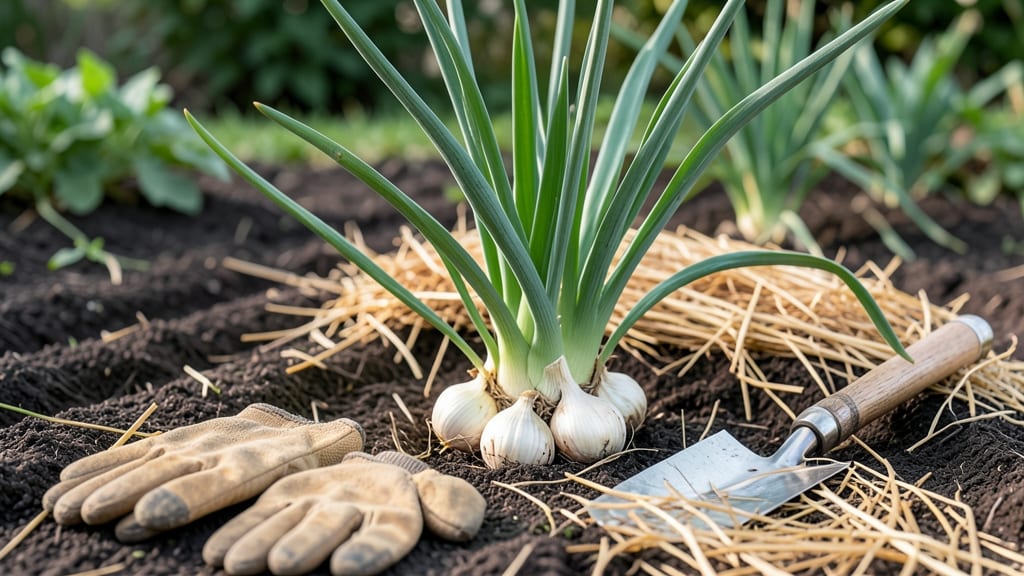
Planting garlic in Zone 10 isn’t just about timing—it’s about working with your mild winters to grow bold, flavorful bulbs that outshine store-bought varieties.
Unlike colder climates where spring planting dominates, Zone 10’s frost-free winters demand a different approach: fall or early winter is your sweet spot for strong root establishment before the heat arrives.
Most gardeners in California coastal regions or similar areas make one common mistake—they wait too long, thinking garlic needs cold to thrive. But here’s the secret: your garlic 🧄 needs 4-6 weeks of cool (but not freezing) soil to form roots before temperatures climb.
That means October through December or January-February planting is key.
I’ve grown garlic in Zone 10 for years, and the difference between a mediocre harvest and a bumper crop comes down to these three critical steps: choosing the right variety, prepping soil with organic matter, and protecting young plants with mulch.
Skip any of these, and you’ll end up with small, weak bulbs—or worse, garlic that bolts before it matures.
Ready to unlock the perfect timing for plump, perfect garlic? Let’s dive into the exact months to plant, how to prep your soil, and the care routine that keeps your crop thriving—even in warm winters. Your next harvest starts now.
Best planting windows for garlic in Zone 10 (avoid these mistakes)
Zone 10’s mild winters mean garlic thrives with the right planting timing. Unlike cooler zones, you can plant garlic in two windows: late fall or early winter. This avoids the heat stress that ruins spring plantings. Let’s break down the best months and what to watch for.
Your primary planting window is from October through December. This gives cloves time to root before winter rains arrive. If you miss that, your second chance is January to early February. Planting later risks bolting before bulbs mature.
Here’s why spring planting fails in Zone 10: the soil stays too warm, causing garlic to bolt (send up flower stalks) instead of forming bulbs. In cooler zones, spring works, but not here—your garlic needs winter’s cool soil temperatures to develop properly.
For fall planting, aim to get cloves in the ground by mid-December at the latest. This ensures roots establish before winter rains.
If you’re in coastal Zone 10 (like Southern California), you might even plant as late as January, but monitor soil temps—if they stay above 60°F (15°C), your garlic will bolt.
Pro tip: Use a soil thermometer to check temps. Ideal soil temps for planting are 50–60°F (10–15°C). If your soil is warmer, wait a few weeks or plant in shaded beds to cool the soil. Mulch heavily after planting to maintain even temps.
One common mistake in Zone 10 is planting garlic too deep. Cloves need to sit 2 inches deep, with the pointed end up. Planting deeper delays sprouting, while shallower planting risks exposure to heat. Space cloves 4–6 inches apart in rows 12 inches apart for airflow.
After planting, water deeply to settle the soil. Then, let nature take over—Zone 10’s winter rains will handle most of the watering. Just monitor for drought stress during dry spells. By spring, you’ll see lush green shoots, signaling your garlic is thriving for a June–July harvest.
Remember: Zone 10 garlic grows best with winter’s cool temps. If you’re new to this, start small with softneck varieties like Silverskin, which tolerate heat slightly better than hardnecks. But timing—fall or early winter—is your secret weapon for bold bulbs.
Best planting windows for garlic in Zone 10 (avoid these mistakes)
Zone 10’s mild winters create a unique challenge for garlic growers—traditional fall planting often fails because the soil rarely cools enough. Instead, focus on two key windows: late fall and early winter.
This timing ensures your cloves establish roots before summer heat arrives, preventing premature bolting (when garlic flowers too early).
Your primary planting window spans October through December, with November being ideal. This aligns with natural winter rains, reducing irrigation needs. For a second chance, plant again in January or early February—just avoid March, when heat accelerates growth and risks poor bulb formation.
⚠️ NON-NEGOTIABLE: Soil temperatures should stay between 50°F and 60°F (10°C–15°C) during planting. Use a soil thermometer to check—if temps exceed 65°F (18°C), delay planting until cooler evenings return.
| Planting Window | Ideal Months | Soil Temp | Key Tip |
|---|---|---|---|
| Fall Planting | October–December | 50°F–60°F (10°C–15°C) | Plant 4–6 weeks before winter rains peak. |
| Winter Planting | January–February | 55°F–65°F (13°C–18°C) | Use shade cloth if temps exceed 65°F (18°C). |
| Avoid | March–April | >70°F (21°C) | Heat causes bolting; bulbs won’t mature. |
Avoid the spring planting trap—many Zone 10 gardeners try this, but garlic planted after February rarely develops full bulbs. The plant prioritizes flowering (bolting) over bulb growth when days lengthen.
Instead, treat your garlic like a winter crop: plant when nights are cool, and bulbs will form slowly over 6–8 months.
Pro tip: Softneck varieties (like Artichoke or Silverskin) tolerate Zone 10’s warmth better than hardnecks. They store longer and handle mild winters with less risk of bolting. Save hardnecks (like Rockstar) for cooler microclimates or high-elevation Zone 10 areas.
After planting, mulch heavily (4–6 inches of straw or wood chips) to insulate roots from heat spikes in late winter. This mimics the cool, moist conditions garlic craves. In June or July, you’ll harvest plump bulbs—proof that timing (not luck) made the difference! 🧄