
Plants
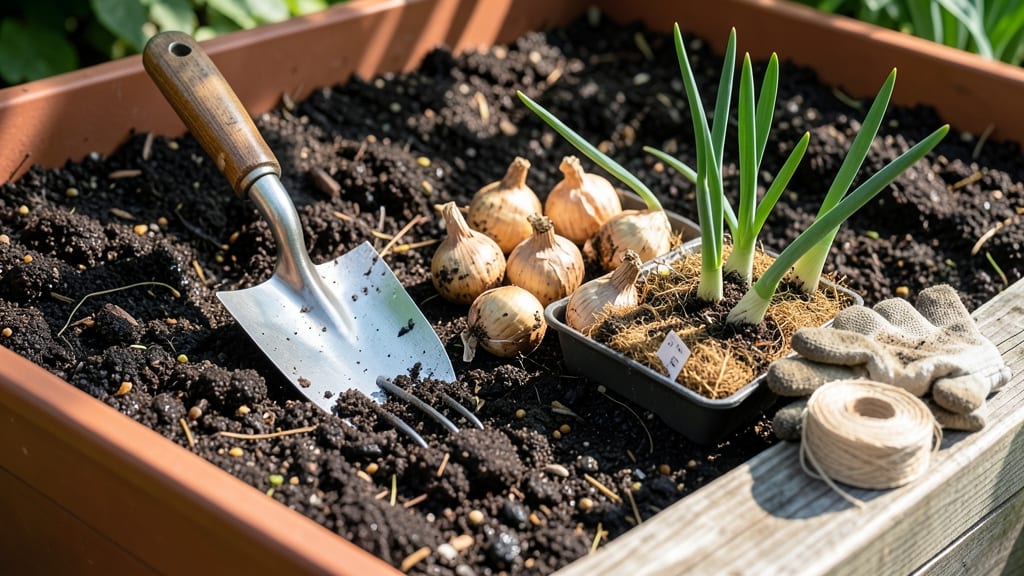
If you're dreaming of a garden bursting with 🌸 gladiolus blooms this summer, when to plant gladiolus bulbs in the UK is the key to success in the country's changeable climate. Planting too early risks frost damage, while waiting too long could mean missing out on those stunning summer displays.
The perfect window for planting gladiolus bulbs in the UK opens between April and June, when soil temperatures rise and frost becomes a fading threat.
But here's the catch: the exact timing varies across regions. Southern areas can start as early as mid-April, while northern gardens might need to wait until late May to avoid late frosts.
Understanding these regional differences is crucial for giving your gladiolus bulbs the best possible start. I'll show you how to read your local climate cues and adjust your planting schedule accordingly.
Once you've nailed the timing, proper soil preparation makes all the difference. Gladiolus bulbs thrive in well-drained soil that's been enriched with compost. We'll cover the essential steps for preparing your planting site, including the ideal depth and spacing that ensures strong, healthy growth.
With these foundations in place, you're setting your gladiolus up for a spectacular summer performance.
What you'll discover next are the 5 key signs your soil is ready for planting, plus how to troubleshoot common UK garden challenges like cold or waterlogged conditions.
Let's get your gladiolus bulbs in the ground at just the right time for a burst of color that will make your garden the envy of the neighborhood.
UK gladiolus planting calendar: exact weeks for spring success
Timing your gladiolus bulbs correctly in the UK means the difference between lush summer blooms and wasted effort. Since the UK spans USDA zones 8a-9b, regional differences matter—southern gardens can plant 2-3 weeks earlier than northern areas.
Aim for mid-April to early June, but always check your local last frost date (typically mid-April in the south and late April/early May in the north).
Soil temperature is your best guide: wait until the ground warms to at least 10°C (50°F). Cold soil slows root growth and increases rot risk.
In warmer southern regions like Devon or Cornwall, you might start as early as late March, while cooler northern areas like Scotland should hold off until late April or May. Use a soil thermometer if unsure—it’s a small investment for big results.
For early blooming varieties, plant in April to enjoy flowers by July. Mid-season types go in May for August blooms, and late varieties can wait until early June for September flowers. This staggered approach extends your display season and spreads out maintenance tasks.
🌱
| Region | Optimal Planting Window | Soil Temp Threshold | Frost Risk |
|---|---|---|---|
| Southern UK (e.g., London, Devon) | Late March - Mid-April | 10°C (50°F) | Low after mid-April |
| Midlands (e.g., Birmingham, Manchester) | Mid-April - Early May | 10°C (50°F) | Moderate until late April |
| Northern UK (e.g., Edinburgh, Newcastle) | Late April - Early May | 10°C (50°F) | High until mid-May |
| All Regions (Late Varieties) | Early June | 12°C (54°F) | Minimal |
If you’re unsure about your local frost dates, use the Met Office’s frost forecast or check with your nearest garden center. They’ll know the microclimate quirks of your area—like urban heat islands or coastal winds—that can shift planting times by 1-2 weeks.
For example, coastal gardens often warm up faster than inland spots.
Pro tip: mark your gladiolus bulbs with biodegradable plant labels to track varieties and planting dates. This helps you rotate crops and avoid soil-borne diseases that can build up over time. I use toothpicks with permanent markers for a budget-friendly solution.
After planting, mulch heavily with straw or compost to insulate bulbs from late frosts and retain moisture. In dry summers, this mulch layer can mean the difference between wilting plants and vibrant blooms. Just avoid piling mulch against the stems to prevent rot.
For container growing, plant bulbs in well-draining pots and place them in a sunny spot after the last frost. Containers warm up faster than garden soil, so you can often plant 1-2 weeks earlier. Just ensure pots have drainage holes—gladiolus bulbs hate soggy roots.
Once your gladiolus shoots reach 6 inches tall, add support stakes (I use bamboo canes tied with twine). This prevents flopping stems and keeps blooms upright for easier cutting. In the UK’s windy conditions, staking is non-negotiable for tall varieties like ‘Green Star’ or ‘Black Pearl’. 🌸
5 Signs your UK soil is ready for gladiolus bulbs (and what to do if it’s not)
Before you rush to plant your gladiolus bulbs in the UK, checking your soil is ready can make the difference between a thriving display and a disappointing flop. The ideal planting window of April-June only works if your soil is warm enough and well-drained.
Cold, waterlogged soil can stunt growth or even kill your bulbs before they bloom.
I’ve planted gladiolus for years in my UK garden, and the key is always soil readiness. Let’s break down the 5 essential signs your soil is perfect for planting, plus what to do if your garden isn’t quite there yet.
You’ll be ready to plant with confidence and avoid common pitfalls that UK gardeners often face.
First, your soil should be warm to the touch—aim for at least 10°C (50°F). Use your finger to check the depth; if it feels cool below 5cm (2 inches), wait a few more days.
In cooler northern regions, this might mean delaying planting until late May, while southern areas can start earlier.
🌱 Numbered Highlights: Soil Readiness Checklist
- Soil Temperature: At least 10°C (50°F) at 5cm depth. Use a soil thermometer for accuracy.
- Moisture Level: Damp but not soggy—squeeze a handful; water should drain freely.
- Drainage Test: Dig a small hole, fill with water, and check if it drains within 30 minutes.
- Soil Texture: Crumbly and easy to work—avoid compacted or clay-heavy soil.
- Last Frost: At least 2 weeks since your area’s last frost date.
⚠️ Pro Tip: If your soil fails any test, amend it with compost or grit before planting.
If your soil is too cold, don’t panic—you can pre-warm it by covering the area with black plastic sheeting for 1-2 weeks before planting. This works wonders in my northern UK garden where spring arrives later. For waterlogged soil, consider planting in raised beds or containers with well-draining compost mixes.
Another critical sign is drainage. Gladiolus bulbs rot quickly in soggy conditions, so if water pools after heavy rain, your soil needs improvement. Mix in sand or perlite to create better airflow around the roots.
I’ve seen gladiolus thrive in containers with a 50/50 mix of compost and grit—perfect for UK gardens with heavy clay.
Finally, check for pests or diseases in your soil. If you’ve grown gladiolus before, rotate planting spots to prevent thrips or fungal issues. Healthy soil means healthy bulbs, and that’s the foundation for those show-stopping summer blooms you’re dreaming of.
With these signs in mind, you’ll know exactly when your UK soil is ready for gladiolus bulbs. Next, we’ll cover the common planting mistakes to avoid—so you can enjoy a garden bursting with color from July to September.