
Plants
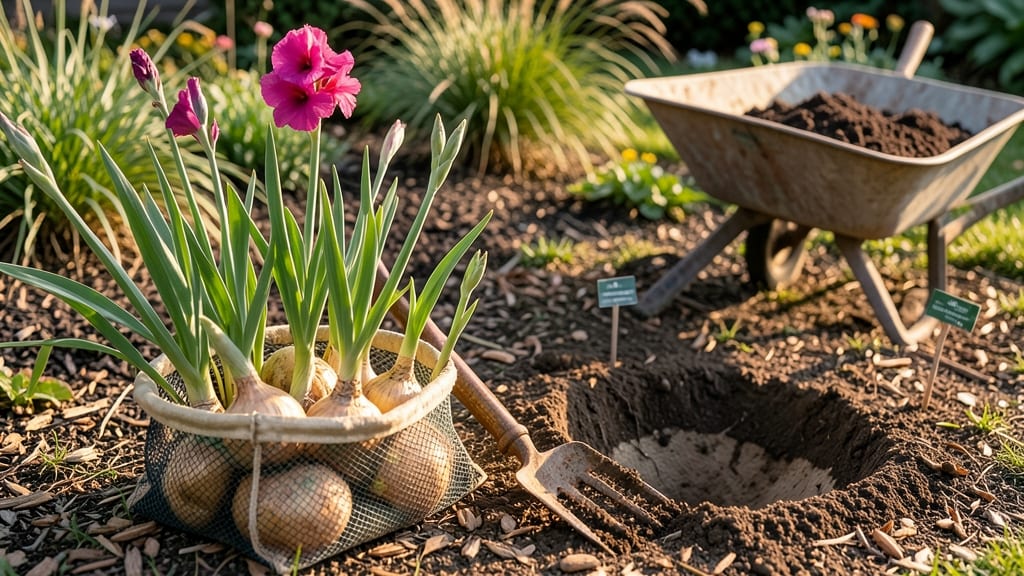
Planting your gladiolus bulbs at the wrong time in Wisconsin could mean waiting months for those showstopping 🌸 blooms—or worse, never seeing them at all. The difference between a thriving summer garden and a missed opportunity often comes down to a 2-week window in late spring.
In Wisconsin’s Zone 4b-6a, where frost can linger into May and summer heat arrives late, timing isn’t just about avoiding cold snaps—it’s about giving your gladiolus the perfect head start.
Too early, and frost will nip tender shoots. Too late, and you might miss the 120-150 days they need to reach their full, dramatic height.
I’ve grown gladiolus in Wisconsin for years, and the secret weapon isn’t just the calendar—it’s knowing how to adjust for your specific microclimate.
Whether you’re in the cooler north or the slightly warmer south, this guide will help you pinpoint the exact moment to plant for bold, reliable blooms every summer.
Ready to transform your garden into a parade of towering 🌸 gladiolus? Let’s dive into the precise planting deadlines, soil prep tricks, and care tips that’ll have your neighbors asking for your secrets.
Wisconsin gladiolus planting deadlines: exact weeks for Zone 5B/6A success
Gladiolus bulbs in Wisconsin demand precision timing—plant too early, and frost will kill your 🌸 shoots; too late, and you’ll miss the 120-150-day bloom window. The ideal window? Late April to mid-May, after your last frost date (typically May 1-15 in most of Wisconsin).
But here’s the catch: Wisconsin’s climate varies wildly. Northern areas (like Zone 4b) may need to wait until mid-May, while southern regions (like Zone 6a) can start as early as late April.
I’ve mapped out the exact deadlines below to ensure your gladiolus get the head start they need.
This summary table breaks down the critical planting windows, soil temperature thresholds, and backup dates for unpredictable springs—so you’re never left guessing.
🌱 Wisconsin Gladiolus Planting Timeline
| Stage | Action | Zone 4b (North WI) | Zone 5B (Central WI) | Zone 6a (South WI) |
|---|---|---|---|---|
| Soil Prep | Test soil temp (60°F+), amend with compost | Early April | Mid-April | Late March |
| Planting Window | Plant bulbs 4-6" deep, 6" apart | May 1-15 | April 25-May 10 | April 15-30 |
| Backup Date | If frost delays, use row covers | May 20 | May 15 | April 30 |
| Bloom Timeline | Days to first bloom | 120-140 days | 115-135 days | 110-130 days |
| First Frost Risk | Avoid planting after this date | June 15 | June 1 | May 31 |
🌡️ Pro Tip: Use a soil thermometer—gladiolus need 60°F+ soil to thrive.
Notice how the backup dates shift based on zone? In Zone 4b, you’ve got until May 20 to plant, while Zone 6a gardeners must act by April 30 to avoid late-summer blooms cutting short.
This variability is why I always check the Wisconsin State Climatology Office for local frost updates.
One common mistake I see? Planting gladiolus too early in hopes of early blooms. Cold soil slows root growth, leaving bulbs vulnerable to rot. Instead, wait for soil to warm—even if that means delaying by a week. Patience pays off with taller, healthier stems.
For extra insurance, I recommend staggered planting: divide your bulbs into three groups, planting each 10 days apart. This spreads out your blooms from July through September, giving you a longer show. It’s a small effort for big rewards in your summer garden.
Once planted, focus on consistent moisture—gladiolus hate soggy soil. Water deeply once a week (or more in drought), always in the morning to prevent fungal issues. Skip the nighttime watering; it’s a fast track to 🍄 rot.
By following these deadlines, you’ll ensure your gladiolus bulbs burst into 🌸 blooms just as Wisconsin’s summer heat settles in—no more missed opportunities or wilted dreams. Ready to dig in? Grab your bulbs and let’s make this your best gladiolus season yet!
How to adjust gladiolus planting for Wisconsin’s unpredictable weather patterns
Wisconsin’s weather is famously fickle—one day it’s 60°F and sunny, the next you’re scrambling to cover plants after a 28°F surprise frost. For gladiolus, this unpredictability means rigid planting deadlines won’t always cut it.
The key is flexibility: adjusting your schedule based on soil temperature, frost forecasts, and even cloud cover.
I’ve learned the hard way that planting by the calendar alone can backfire. For example, in northern Wisconsin (Zone 4b), a late-May frost isn’t unheard of, while southern Wisconsin (Zone 6a) might see soil warm enough by early April.
The solution? Use a 3-step system to fine-tune your timing: monitor soil temps, watch weather alerts, and plan backup dates.
🌱 Numbered Highlights: Wisconsin Gladiolus Planting Adjustments
- Step 1: Wait until soil reaches 55°F+ (use a soil thermometer—don’t guess!). In Wisconsin, this typically falls between late April and mid-May.
- Step 2: Check the 10-day forecast for nighttime temps. If frost is predicted within 7 days of planting, delay by 1-2 weeks.
- Step 3: For high-risk areas (e.g., northern Wisconsin), use row covers or plant in containers that can be moved indoors if frost threatens.
- Pro Tip: Stagger planting by 2 weeks—plant half your bulbs at the ideal time, then the rest 14 days later to extend your bloom season.
- Backup Plan: If spring drags on, plant late-season varieties (like 'Green Star') in early June for fall blooms.
Another trick I swear by is warming the soil in cool springs. Lay down black plastic mulch 2 weeks before planting to raise soil temps by 5-10°F.
This can shave off critical days, especially in Zone 4b where cold soil delays germination. Just remove the mulch right before planting to avoid overheating.
Don’t overlook microclimates in your yard. A south-facing slope warms up faster than a north-facing low spot. If you have both, plant heat-loving varieties (like 'Pink Parfait') on the slope and cooler-tolerant types (like 'White Prospect') in shadier areas. This 2-zone approach maximizes your bloom time.
Finally, keep an eye on rainfall patterns. Gladiolus hate soggy soil, and Wisconsin’s spring can be a muddy mess. If heavy rains are forecast, delay planting until the ground dries out.
A quick fix? Amend your soil with compost or perlite to improve drainage before planting. This small step can mean the difference between rotten bulbs and showstopping spikes.
With these adjustments, you’ll beat Wisconsin’s weather—no matter what Mother Nature throws your way. The result? A garden full of gladiolus that puts on a show from July to September, even in the most unpredictable years. 🌸