
Plants
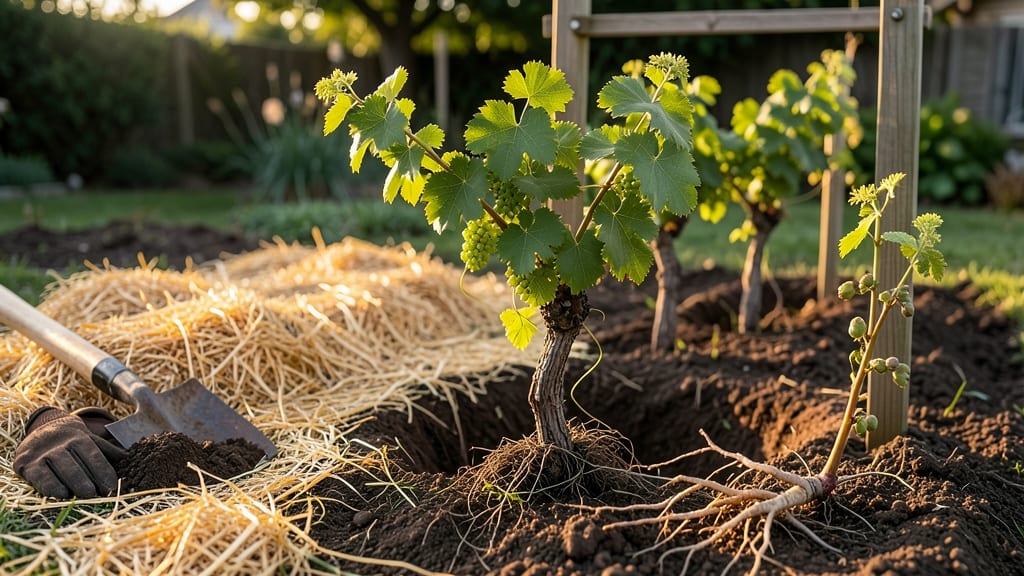
Planting grapes in North Carolina might seem straightforward, but getting the timing right is the difference between a thriving 🍇 vineyard and a failed harvest.
The key lies in understanding your specific USDA zone—whether you're in the cooler 7a Mountains or the warmer 8b Coastal Plain—because these zones dictate when soil temperatures hit that critical 40-60°F window for planting.
Most NC gardeners know the general rule: late winter to early spring is prime time, but without accounting for chill hours (the cold exposure grapes need to break dormancy), you could end up with vines that struggle to fruit.
For example, muscadines thrive with 500-1,000 chill hours, while vinifera varieties demand even more. Missing this detail means wasted effort—or worse, vines that never produce the sweet grapes you’re dreaming of.
I’ve learned the hard way that planting too early risks frost damage, while waiting too long can leave your vines playing catch-up all season. The solution? A 6-8 week head start before your last frost date—typically by March 15 in most of NC.
Whether you’re planting in-ground or containers, this guide will walk you through the exact steps to time it perfectly for your microclimate.
Ready to grow grapes that burst with flavor? Let’s break down the soil temp rules, chill-hour requirements, and regional tweaks so you can finally enjoy that backyard harvest you’ve been waiting for. Your future 🍇 feast starts with the right planting window—and I’ve got you covered.
NC grape planting timeline: soil temperature & chill-hour requirements by variety
North Carolina’s grape-growing season hinges on two critical factors: soil temperature and chill hours. Most grapevines need 40-60°F soil temps and 500-1,000 chill hours (below 45°F) to break dormancy.
In NC’s USDA Zones 7a-8b, this means planting in late winter to early spring—typically February to March—but timing varies by variety and region.
For example, muscadine grapes (native to NC) thrive with 500-700 chill hours and can handle earlier planting (as early as January in the Coastal Plain). Meanwhile, vinifera grapes (like Cabernet Sauvignon) need 800-1,000 chill hours, so they’re best planted in March in the Piedmont to avoid late frosts.
Here’s how chill hours and soil temps dictate your planting window by grape type:
| Grape Type | Chill Hours Needed | Ideal Planting Month | Soil Temp Requirement | NC Region Fit |
|---|---|---|---|---|
| Muscadine | 500-700 hrs | January-February | 40-50°F | Coastal Plain, Piedmont |
| Hybrid (e.g., Norton) | 600-800 hrs | February-March | 45-55°F | Statewide |
| Vinifera (e.g., Cabernet) | 800-1,000+ hrs | March-April | 50-60°F | Piedmont, Mountains |
If you’re in NC’s Mountains (Zone 7a), aim for March planting to avoid late frosts (common until April 15). In the Coastal Plain (Zone 8a-8b), you can plant as early as January for muscadines, but vinifera grapes may struggle without enough chill hours.
Always check your local last frost date—most of NC’s Piedmont sees frost until mid-April.
For container-grown grapes, plant 2-4 weeks later than in-ground vines, since pots warm up faster in spring. Use a soil thermometer to confirm temps are consistently above 45°F before planting—cold soil can stunt root growth for weeks.
Pro tip: Bare-root grapes (sold dormant) should be planted as soon as possible after purchase, but no later than early April. If you miss the window, heel them in (bury roots in moist soil) and plant in fall—though this risks winter dieback in colder zones.
Regardless of variety, wait until soil temps stabilize—grapes planted in cold, wet soil are prone to root rot and fungal diseases like Phytophthora. A mulch layer (straw or wood chips) helps regulate soil temps and retains moisture during NC’s unpredictable spring rains.
🌱
Step-by-Step guide: how to plant grapes in NC for maximum success
Once you’ve picked the right grape variety and timing, proper planting technique ensures your vines thrive. Start by selecting a sunny, well-draining spot with at least 6-8 hours of sunlight daily. Grapes hate soggy roots, so avoid low-lying areas where water pools.
Before planting, test your soil pH—aim for 6.0-6.5, the sweet spot for grapevines. If your soil is too acidic, mix in lime; if alkaline, add sulfur or peat moss. Amend the soil with compost or aged manure to boost fertility without burning tender roots.
Water deeply right after planting to settle the soil and eliminate air gaps. For the first 2-3 weeks, keep the soil consistently moist—not soggy—by watering every 2-3 days if rainfall is scarce. Grapes are drought-tolerant once established, but young vines need regular hydration to develop strong roots.
If you’re growing grapes in containers, choose large pots (15+ gallons) with drainage holes. Use a lightweight potting mix blended with perlite or sand to prevent compaction.
Container grapes need more frequent watering—check soil moisture daily in summer—and may require winter protection if temperatures drop below 10°F.
After planting, prune lightly to remove any damaged roots or shoots. Focus on keeping 2-3 strong canes to encourage a balanced framework for future growth. Apply a balanced fertilizer (10-10-10) at half strength 4-6 weeks after planting to support early establishment.
Protect young vines from late spring frosts (common in NC’s Mountains and Piedmont) by covering them with frost cloth or row covers if temperatures dip below 28°F.
With proper care, your grapevines will reward you with juicy clusters in late summer or fall—just in time for fresh eating or homemade wine! 🍇