
Plants
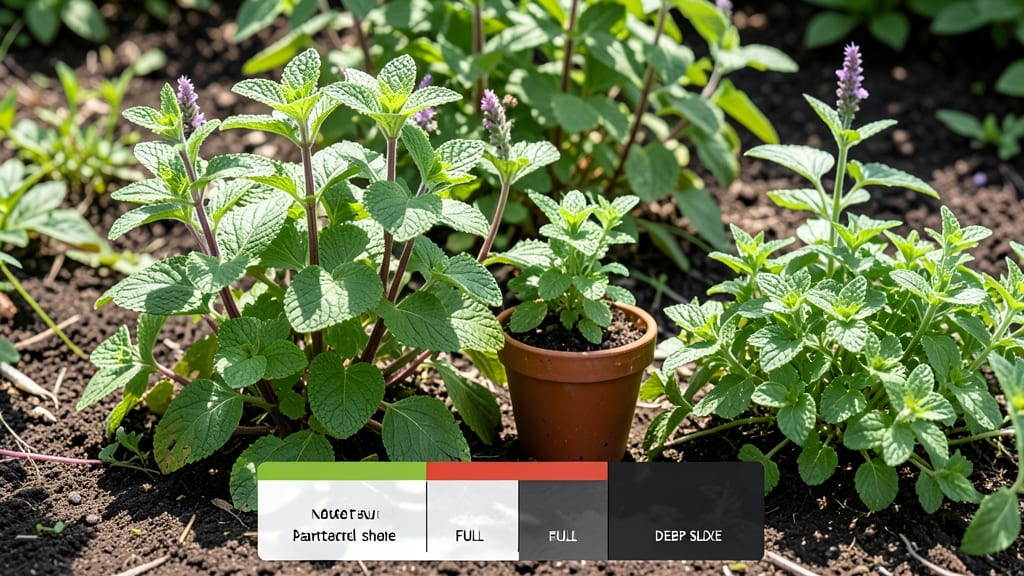
If you’re wondering how much light does a mint plant need, the answer lies in striking the perfect balance—too much or too little can leave your plant leggy or weak.
The key to thriving 🌿 mint lies in finding the ideal mix of partial sun and shade, especially in USDA Zone 6a climates where spring planting sets the stage for success.
Too much direct sunlight can scorch those delicate leaves, while too little leaves your plant stretching desperately toward any light source. The ideal spot? Bright, indirect light—think dappled shade or morning sun paired with afternoon shade. This keeps mint lush, aromatic, and ready for harvest from June to September.
Whether you’re growing mint in containers or garden beds, I’ll show you how to spot signs of light stress and adjust care to keep your plants happy. From rotating pots for even exposure to choosing the right windowsill, these simple tweaks make all the difference.
Ready to unlock vibrant, healthy mint? Let’s dive into the light conditions that turn floppy stems into a thriving herb garden—no guesswork required.

Optimal light requirements for mint plants: partial sun to full shade explained
Mint plants thrive in bright indirect light, making them perfect for gardeners who want a low-maintenance herb. Unlike sun-loving plants, mint prefers partial shade—typically 4-6 hours of morning sun followed by afternoon shade.
Too much direct sunlight can scorch leaves, while too little light leads to leggy, weak growth.
In outdoor gardens, place mint near a dappled shade tree or along the north side of structures. For containers on patios, choose spots with morning sun and afternoon shade.
If your yard gets intense afternoon sun, opt for full shade conditions—mint will still grow, though growth may be slower.
Here’s how mint’s light needs compare to other herbs: Basil craves full sun, while parsley also prefers partial shade. Mint’s flexibility makes it ideal for shady garden corners or indoor windowsills away from harsh sunlight.
| Condition | Ideal Specification | Effect of Too Much/Too Little |
|---|---|---|
| Sunlight Hours | 4-6 hours (morning sun preferred) | Too much: Leaf scorch; Too little: Leggy growth |
| Indoor Placement | East-facing window (bright indirect) | South window: Risk of burn; North window: Slow growth |
| Outdoor Location | Partial shade (under trees or structures) | Full sun: Wilting; Deep shade: Weak stems |
| Container Size | 6+ inches deep (for root spread) | Small pots: Root-bound stress; Overcrowding: Competition for light |
For potted mint, rotate containers quarter-turn weekly to ensure even light exposure. This prevents one side from stretching toward the light while the other remains weak. If your mint starts leaning, it’s a clear sign it needs better light balance or a relocated spot.
In hot climates, afternoon shade is non-negotiable. Use lightweight shade cloth (30-50% coverage) if natural shade isn’t available. Even 1-2 hours of direct afternoon sun can stress mint, causing leaves to turn yellow or crispy at the edges.
Mint’s adaptability extends to indoor growing. Place pots near east or north-facing windows for consistent growth. South-facing windows work only if filtered through sheer curtains. Avoid placing mint near heat sources like radiators or ovens—it prefers cool, steady temperatures (60-75°F).
Pro tip: If your mint starts flowering, it’s a sign of too much light. Pinch off flowers to redirect energy into leaf production. Flowering also reduces the plant’s flavor intensity, so keep it pruned for the best-tasting leaves.
Remember, mint’s light needs are flexible but not extreme. It won’t thrive in deep shade like ferns, but it’s far more tolerant than sun-loving herbs. With the right balance, your mint will reward you with vibrant green leaves and a bold, refreshing aroma all season long. 🌿
Optimal light requirements for mint plants: partial sun to full shade explained
Mint plants thrive in partial shade, making them perfect for gardeners with limited direct sunlight. While they can tolerate full shade, too little light weakens growth, while full sun exposure can scorch delicate leaves. Aim for 4-6 hours of morning sun paired with afternoon shade for ideal conditions.
In potted mint, place containers near east-facing windows to capture gentle morning rays without harsh afternoon heat. For in-ground mint, choose spots under dappled shade trees or near north-facing walls that reflect indirect light.
Key light requirements:
| Condition | Specification |
|---|---|
| Ideal Light | 4-6 hours morning sun + afternoon shade |
| Minimum Tolerance | Full shade (but slower growth) |
| Maximum Tolerance | 3-4 hours direct sun (afternoon burns risk) |
| Indoor Placement | East or north-facing windows |
| Outdoor Spot | Under trees or near fences |
Mint's bright green leaves naturally seek light, so rotate container-grown plants weekly to prevent lopsided growth. In hot climates, provide afternoon shade with sheer curtains or garden fabric to protect leaves from UV damage.
For indoor mint, supplement natural light with a grow light (12-14 hours/day) if leaves appear pale or stems stretch excessively. This mimics bright indirect light conditions mint craves but can't always find indoors.
Remember: Too much sun causes crispy edges, while too little light leads to weak stems. Balance is key for that fragrant, bushy mint you love in teas and cocktails! 🌿