
Plants
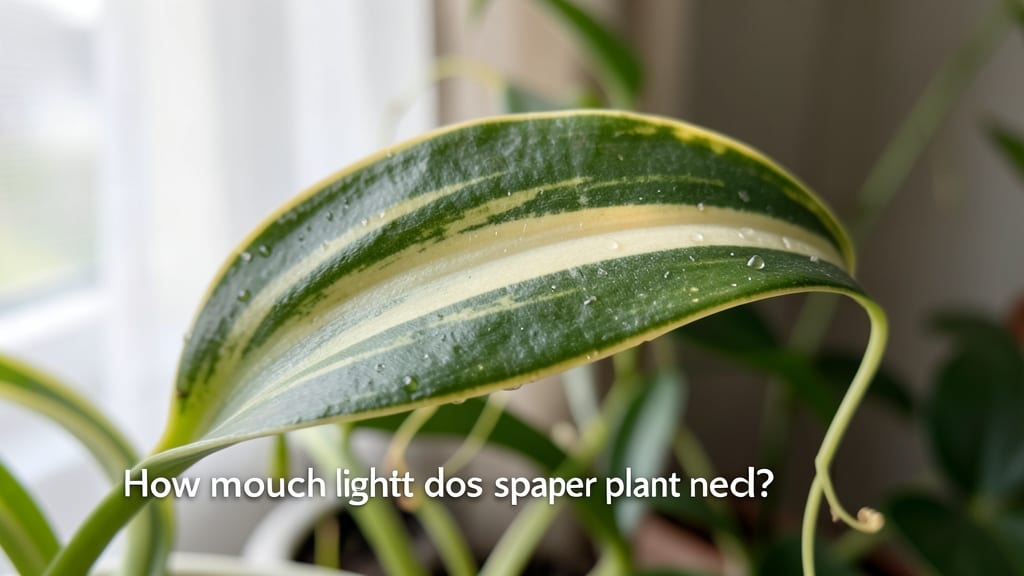
If your 🌿 spider plant is looking a little sad—leggy, sparse, or with crispy brown tips—you might be getting how much light does a spider plant need? all wrong.
This resilient plant actually has surprisingly simple lighting needs, and once you dial them in, you’ll see a dramatic turnaround in just a few weeks.
The key to happy spider plants is bright, indirect sunlight—think of it as a perfect balance between too little and too much. Too dim, and your plant stretches desperately toward the light, growing weak and sparse.
Too harsh, and those pretty variegated leaves start to burn. The good news? Most homes can easily create the ideal conditions with just a few simple adjustments.
Whether you’re working with a north-facing window that’s too dim or a south-facing one that’s too intense, I’ll walk you through exactly how to place your plant for that sweet spot of bright indirect light.
Plus, you’ll learn how to spot the subtle signs that your spider plant is either begging for more light or begging you to move it out of the sun.
Ready to transform your spider plant from struggling survivor to thriving showstopper? Let’s fix this once and for all—your plant (and your space) will thank you.

Spider plant light requirements: bright indirect sunlight explained
Your spider plant (Chlorophytum comosum) thrives in bright indirect sunlight, making it perfect for most indoor spaces. Unlike sun-loving plants, spider plants avoid harsh rays that can scorch their leaves. Understanding their light spectrum needs—from low to high—will transform your plant from struggling to stunning.
Think of bright indirect light as morning sunlight filtered through sheer curtains or dappled shade from trees. This mimics their natural habitat under forest canopies. Too little light leads to leggy growth, while too much causes brown leaf tips or bleached patches.
Let’s break down the ideal conditions for each light scenario.
For east-facing windows, your spider plant will receive gentle morning sun—ideal for 4-6 hours of bright indirect light daily. Place it 2-3 feet from the glass to avoid overheating.
If your home has west-facing windows, afternoon sun can be intense, so position the plant 5-6 feet away or use a sheer curtain to diffuse the light.
South-facing windows are tricky because they offer the most sunlight. Your spider plant will need filtered light here—think lace curtains or a sheer panel. Without protection, leaves will develop brown patches within weeks.
Test placement by moving the plant slightly each day until you find the "sweet spot" where leaves stay green and vibrant.
Window orientation matters less than the light quality. Even in north-facing rooms, your spider plant can thrive if it gets enough ambient light. If your space feels dim, supplement with a LED grow light (12-16 hours/day) to mimic natural conditions.
Just avoid placing lights too close—they should hover 6-12 inches above the plant.
Pro tip: Rotate your spider plant quarter-turns every 2 weeks to ensure even growth. Plants naturally lean toward light sources, so this simple habit keeps foliage balanced and prevents lopsided development.
Watch how leaves respond—if they stretch upward aggressively, it’s a cry for more light; if they darken or crisp, it’s too much.
Seasonal changes also affect light exposure. During winter months, shorter days mean less natural light. If you notice slower growth or duller leaves, supplement with a grow light or move the plant to a brighter room temporarily.
Conversely, summer’s intense rays may require moving your spider plant away from south or west windows to avoid leaf scorch.
Remember, spider plants are forgiving. Even if you accidentally place it in low light for a few weeks, it won’t die—it’ll just slow down. The key is observing its visual cues and adjusting gradually.
With the right light balance, your spider plant will reward you with lush, arching foliage and those adorable pups ready for propagation.
How to adjust light for your spider plant’s growth stage
Your spider plant’s light needs change as it grows, making adjustments essential for a thriving plant. Seedlings and young plants need gentler light—think bright indirect light for just 2-3 hours daily.
Too much sun at this stage can scorch delicate leaves. As your plant matures, it can handle 4-6 hours of bright indirect light, which encourages lush foliage and those iconic spiderettes.
Transitioning between seasons is key. In winter months, when natural light dims, move your spider plant closer to a window or supplement with a grow light for 12-14 hours daily.
This prevents leggy growth or pale leaves. Conversely, in summer, filter harsh afternoon sun with a sheer curtain to avoid leaf burn.
Here’s how to spot if your plant’s light needs a tweak: Dark green leaves with sparse growth? It’s craving more light. Yellow or brown tips? It’s likely getting too much direct sun. Adjust gradually—never shock your plant by moving it from shade to full sun overnight.
- Seedlings: 2-3 hours bright indirect light daily
- Mature plants: 4-6 hours bright indirect light
- Winter care: Supplement with grow light for 12+ hours
- Summer care: Use sheer curtains to filter harsh sun
- Transition tip: Move plants gradually to avoid stress
For new spider plant owners, start with an east-facing window—it offers gentle morning light without the intensity of south-facing glass. Rotate your pot quarter-turn weekly to ensure even growth. If your plant starts stretching toward the light, it’s begging for more brightness.
A south-facing window with filtered light works too, but avoid placing it within 3 feet of the glass during peak sun hours.
Pro tip: Variegated spider plants need slightly more light than solid green varieties to maintain their striking patterns. If the white stripes fade, it’s a sign to move them to a brighter spot. Conversely, if the leaves turn deep green, they’re getting too little light. Balance is everything!
Remember, spider plants are forgiving—they’ll survive in low light but won’t thrive. Give them the right amount of light, and you’ll reward yourself with a vigorous, happy plant that’s ready to propagate pups year-round.