
Plants
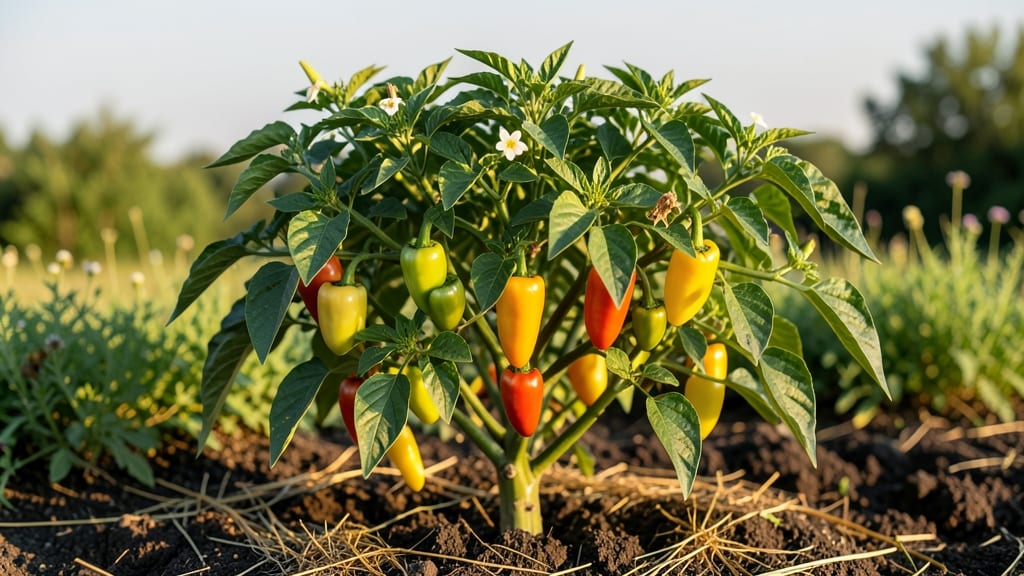
If you're wondering how tall a habanero plant grows, the answer might surprise you—these fiery 🌶️ beauties can reach heights of 3 to 4 feet under ideal conditions, but their growth depends on variety, care, and support.
Whether you're a first-time gardener or a seasoned pepper enthusiast, knowing the right height expectations helps you plan your garden layout and support needs.
Habanero plants aren’t just tall—they’re also vigorous, often sprawling if left unsupported. Without proper staking or pruning, they can become top-heavy, leading to broken stems or fewer peppers. But with the right techniques, you can encourage a more manageable size while maximizing your harvest.
Let’s break down what influences their height and how to keep them thriving.
Some varieties, like the towering 'Carolina Reaper,' can push the limits of that 4-foot range, while others stay more compact. The key to controlling their growth lies in pruning, staking, and even container choices.
Whether you’re growing in USDA Zone 6a or a warmer climate, understanding these factors will help you avoid common pitfalls and ensure your habaneros reach their full potential.
Ready to learn how to support your habanero plants for the best height and harvest? I’ll walk you through everything—from choosing the right variety to setting up support systems that work for your garden. Let’s get growing!


Habanero plant height by variety: compact vs. towering types
Habanero plants typically reach heights between 3 to 4 feet at maturity, but their growth habits vary dramatically by variety. Some stay compact and bushy, while others grow tall and sprawling, requiring support.
Understanding these differences helps you plan your garden layout and choose the right support structures for each type.
Most habanero varieties fall into two main growth categories: bush-type (compact) or vine-type (taller and sprawling). Bush types like 'Red Savina' stay under 3 feet without support, making them ideal for containers or small gardens.
Vine types, such as 'Carolina Reaper,' can stretch up to 4 feet or more and need staking or trellises to prevent sprawling.
Here’s how popular varieties compare in terms of height and growth habits:
| Variety | Height Range | Growth Habit | Support Needed |
|---|---|---|---|
| Red Savina | 2–3 ft | Bushy, compact | None (or small cage) |
| Carolina Reaper | 3–4 ft | Tall, sprawling | Stakes or trellis |
| Rocoto | 2.5–3.5 ft | Semi-bushy, upright | Optional support |
| Chocolate Habanero | 2–3 ft | Compact, bushy | None |
| Scotch Bonnet | 2–3 ft | Bushy, spreading | Small cage or pruning |
The Carolina Reaper, known for its extreme heat, often grows taller and requires more support than bushier varieties. If you’re growing habaneros in containers, opt for compact varieties like 'Red Savina' or 'Chocolate Habanero' to avoid overcrowding.
Always check seed packets or plant tags for specific height expectations, as some hybrid varieties may surprise you with unexpected growth patterns.
For taller varieties, installing a 5-foot stake or tomato cage early in the season can prevent sprawling and improve air circulation, reducing the risk of disease. Pruning side shoots can also encourage upward growth and a more manageable height for harvesting.
If you’re growing habaneros in raised beds, leave at least 18–24 inches of space between plants to accommodate their mature size. Overcrowding can stunt growth and lead to poor fruit production, so plan your layout accordingly.
Some gardeners swear by DIY trellis systems made from bamboo stakes or wire mesh, which work well for vine-type habaneros. These systems not only control height but also make harvesting easier by keeping peppers off the ground and away from pests.
Remember, habanero plants are annuals, meaning they complete their life cycle in one growing season. While they won’t grow taller year after year, proper care—including pruning, staking, and fertilization—can maximize their height and productivity during the season.
For those with limited space, consider dwarf or semi-dwarf habanero varieties, though these are rare. Most standard habaneros will reach their full height by mid-summer, so plan your garden layout with this 3–4 foot range in mind to avoid last-minute adjustments.
When and how to support habanero plants for maximum growth
Habanero plants need the right support to reach their full 3-4 foot height potential. Without proper staking or caging, they’ll sprawl and risk breaking under the weight of their spicy fruit clusters.
I’ve found that installing support early—within 2-3 weeks of transplanting—gives plants the stability they need to grow upright and healthy.
For container gardening, use 5-foot bamboo stakes or small cages. In-ground plants benefit from 6-foot tomato cages or DIY wooden trellises. The key is to avoid overcrowding—space plants 18-24 inches apart to prevent competition for nutrients and light.
- Drive stakes 6 inches deep near each plant when seedlings are 4-6 inches tall.
- Use soft plant ties or old T-shirts to secure stems without cutting into them.
- For cages, place them at transplant time to avoid root disturbance.
Pruning is another game-changer for managing height. I recommend pinching off suckers (the shoots growing between the main stem and branches) to encourage bushier growth and more peppers.
This keeps plants 2-3 feet tall while boosting yield. Just avoid heavy pruning after mid-summer, as new growth won’t mature before frost.
For container growers, choose 5-gallon pots with drainage and use tomato cages or DIY wire frames. Containers dry out faster, so monitor soil moisture closely—water when the top inch feels dry. In-ground plants thrive with mulch around the base to retain moisture and suppress weeds.
If your habaneros start leaning or look top-heavy, it’s time to reinforce support. Add a second stake or tie branches to the existing one. I’ve seen Carolina Reaper plants toppling over without proper care—don’t let that happen to your harvest!
Remember, consistent support and pruning aren’t just about height—they also improve air circulation, reducing the risk of fungal diseases like powdery mildew. With the right setup, your habaneros will grow tall, strong, and ready for a fiery harvest. 🌱