
Watering
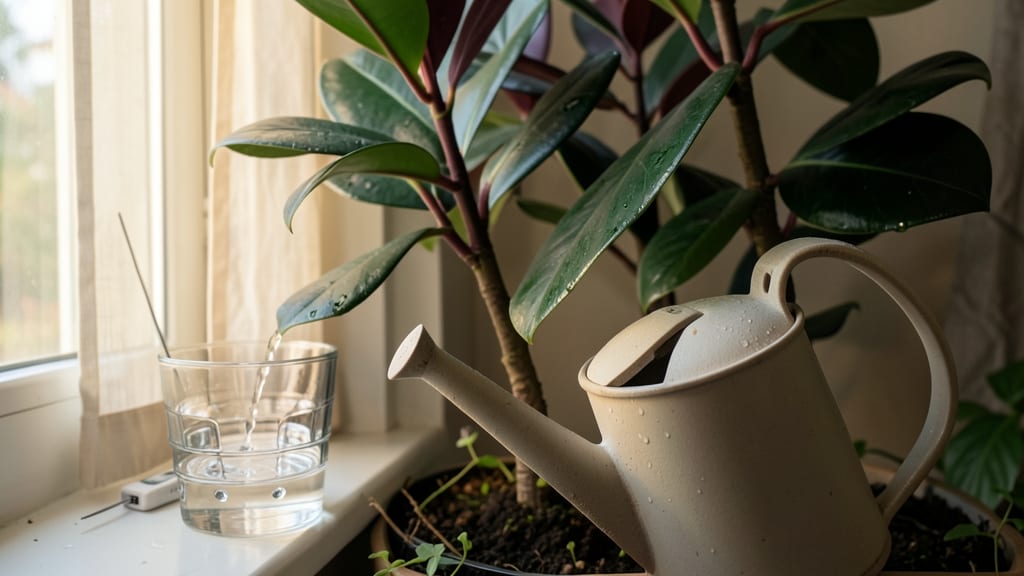
Mastering rubber plant how much water your lush green friend needs is the secret to keeping it thriving—yet most people get it wrong. The key isn’t sticking to a rigid schedule but understanding when your plant truly needs hydration.
Too much water leads to root rot, while too little causes crispy leaves, and both are easy pitfalls to avoid with the right approach.
I’ve learned the hard way that rubber plants (Ficus elastica) don’t follow the same rules as succulents or ferns—they crave consistency without soggy soil. Whether you’re a beginner or a seasoned plant parent, mastering this balance will keep your rubber plant happy for years.
Let’s break down the exact watering routine that works, so you never have to guess again.
First, check the soil before watering—stick your finger an inch deep. If it’s dry, it’s time; if it’s still damp, wait. Season matters too: in spring and summer, your plant drinks more, while winter slows everything down.
With these simple tricks, you’ll avoid the most common mistakes and give your rubber plant the perfect care it deserves.
Ready to stop over- or underwatering? I’ll walk you through the signs your plant is thirsty (or drowning) and the best methods to keep moisture just right. Your rubber plant’s health depends on it—let’s get started.
How often to water a rubber plant based on season and soil
Rubber plants (Ficus elastica) thrive on a consistent but cautious watering routine. Unlike thirsty succulents, they don’t love soggy soil—yet they also hate drying out completely.
The key is understanding your plant’s seasonal needs and how your soil type affects moisture retention. Let’s break it down by climate and container type.
During spring and summer, your rubber plant enters its active growth phase. This is when it drinks the most water, typically needing a drink every 7-10 days.
In fall and winter, growth slows dramatically, and watering should drop to every 3-4 weeks—sometimes even less if your home stays cool and dry. Think of it like adjusting your thermostat: you’re matching your care to the plant’s natural rhythm.
Now, let’s talk soil type. Rubber plants in sandy soil dry out faster and need water every 5-7 days in warm months. If you’re using clay or loamy soil, moisture lingers longer, so you can stretch watering to every 10-14 days.
Pro tip: Stick your finger 1-2 inches into the soil—if it feels dry, it’s time to water. If it’s still damp, wait a few more days.
Another critical factor is your pot size and drainage. Rubber plants in small pots dry out faster than those in large containers. If your plant’s roots are crowded, it’ll signal thirst sooner—watch for leaf edges curling as a warning sign.
Always use pots with drainage holes to prevent root rot, and consider upgrading to a slightly larger pot if you notice roots circling the edges.
Humidity plays a sneaky role too. If your home has low humidity (common in winter with heating), your rubber plant will lose moisture faster through its leaves. In these cases, increase watering slightly in summer and consider a pebble tray or occasional misting to boost humidity.
Conversely, if you live in a humid climate, you can space waterings out a bit longer—just monitor the soil closely.
One of the biggest mistakes I see is watering on a schedule rather than checking the plant’s needs. Instead of setting a calendar reminder, make it a habit to test soil moisture before watering.
A simple tool like a moisture meter can save your plant from both underwatering and overwatering. If you’re unsure, err on the side
The best watering method for rubber plants: techniques to prevent root rot
Rubber plants (Ficus elastica) are surprisingly resilient, but their roots can’t handle soggy soil for long. The key to keeping yours thriving is using the soak-and-dry method—watering deeply until it drains, then letting the top 1-2 inches of soil dry out before repeating.
This mimics their natural tropical environment where heavy rains are followed by dry spells. I’ve learned the hard way that skipping drainage turns my sunny windowsill into a swampy graveyard for roots.
Start by choosing a pot with drainage holes—even ceramic or terracotta can’t save you if water pools at the bottom. Place your rubber plant in a saucer, but always empty excess water within 15-30 minutes to prevent root suffocation.
Pro tip: Use a moisture meter or stick your finger 1-2 inches deep—if it feels dry, it’s time to water. If it’s damp, wait another day.
Step-by-Step Soak-and-Dry Method
- 1. Check soil moisture by inserting your finger 1-2 inches deep. If dry, proceed.
- 2. Water thoroughly until water drains freely from the bottom. Aim for 500-750ml for mature plants.
- 3. Empty saucer after 30 minutes to prevent salt buildup.
- 4. Wait until topsoil feels dry (usually 7-14 days in spring/summer).
- 5. Repeat—consistency is key to avoiding root rot.
💡 Winter adjustment: Reduce frequency to every 4-6 weeks as growth slows.
For bottom-watering (great for sensitive plants), place your pot in a tray of water for 10-15 minutes until the soil surface feels moist. This method prevents fungal diseases by keeping leaves dry.
Just avoid leaving it sitting in water—root rot thrives in stagnant moisture. I’ve seen rubber plants recover from underwatering, but overwatering? That’s a one-way ticket to mush.
Tap water can harm rubber plants due to chlorine and fluoride. Let it sit out for 24 hours or use filtered water to reduce damage. If your leaves develop brown tips, it’s often a sign of chemical buildup or low humidity.
Pair your watering routine with weekly misting (especially in dry climates) to mimic their tropical home.
Watch for yellowing leaves—this often signals overwatering, while crispy edges mean it’s thirsty. Adjust your schedule based on your home’s humidity and temperature. In my dry indoor office, I water every 5-7 days, but my friend in a humid basement only waters every 2 weeks.
Pay attention to your plant’s cues, not just a rigid schedule.
Remember, rubber plants are drought-tolerant once established. The goal isn’t to keep soil constantly moist—it’s to balance hydration with airflow. With this method, your rubber plant will grow bold, glossy leaves and stand tall for years.
And trust me, the peace of mind from a thriving plant is worth the extra 30 seconds checking soil moisture.