
Companion Plants
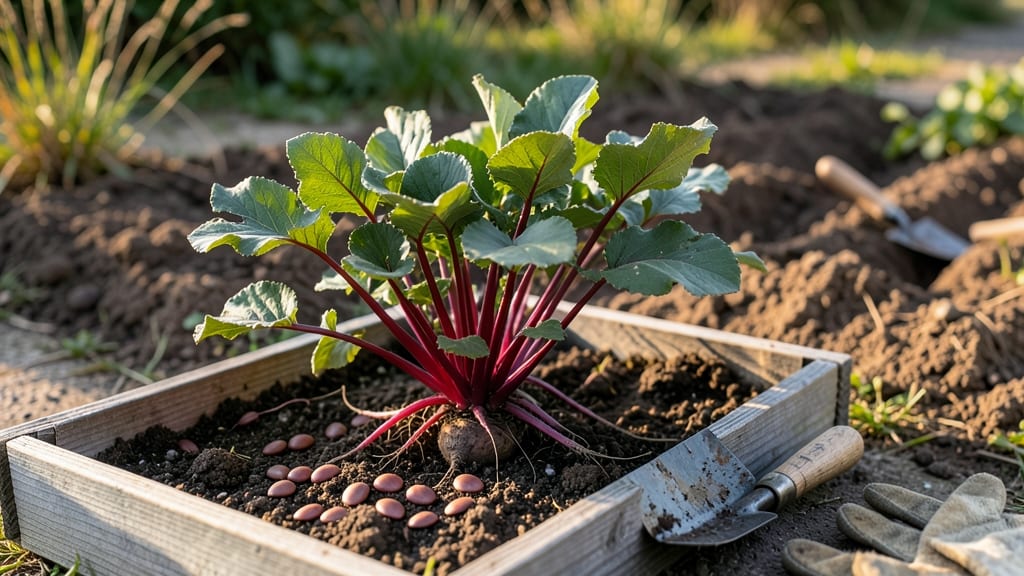
Timing your beet planting in Zone 7 can make the difference between sweet, tender roots and bitter, tough ones—so let’s get this right from the start. 🍠 Beets love cool weather, but if you plant them too early or too late, you’ll end up with a disappointing harvest.
The key to success is knowing exactly when the soil is ready—typically between 40°F and 80°F—and avoiding the heat of summer when beets bolt and turn woody. I’ll show you the best windows for both spring and fall planting, plus how to adjust for microclimates in your area.
You’ll also discover how to extend your harvest season, even in Zone 7’s hot summers, with simple tricks like succession planting and shade cloth. No more wasted effort—just faster, sweeter beets straight from your garden.
Ready to grow beets that taste like they came from a farmers’ market? Let’s dive into the exact planting schedule that works in your zone.
Optimal planting times for beets in Zone 7 based on soil temperature
Beets love cool weather, but timing is everything in Zone 7. Plant them too early, and you’ll risk frost damage. Too late, and the heat will make them bitter or bolt.
The sweet spot? When soil temperatures hover between 40°F and 80°F—ideal for germination and growth. Let’s break down the best windows for your Zone 7 garden.
In Zone 7, your two best planting windows are early spring (March–April) and late summer (July–August). Spring planting lets you harvest before summer heat sets in, while fall planting avoids the worst of it.
But timing isn’t just about the calendar—soil temperature is your real guide. Use a soil thermometer to confirm readiness before planting.
For spring planting, aim for 2–4 weeks before your last frost date (typically around April 15 in Zone 7). This gives seedlings time to establish roots before warmer weather arrives.
In my garden, I’ve found that planting in early March (when soil temps hit 50°F) gives me a head start on the season.
| Planting Window | Soil Temp Range | Zone 7 Months | Key Tips |
|---|---|---|---|
| Early Spring | 40°F–60°F | March–April | Use row covers if frost threatens; thin seedlings to 3–4 inches apart. |
| Late Summer | 60°F–80°F | July–August | Choose heat-tolerant varieties like ‘Detroit Dark Red’; harvest before first frost (Oct 15). |
| Fall Extension | 50°F–65°F | September | Sow 6–8 weeks before first frost; mulch to retain warmth. |
If you’re unsure about soil temps, here’s a quick test: Press your hand into the soil. If it feels cool but not icy, it’s likely in the 50°F–60°F range—perfect for beets. For late summer planting, wait until soil temps drop below 80°F to prevent bolting (when beets flower prematurely).
I’ve had success planting in early August when temps dip after the hottest weeks.
Pro tip: Succession planting every 2 weeks in spring and fall keeps your harvest steady. For example, plant a batch in March, another in April, and a final one in August for a staggered harvest through October. This method ensures you’re always enjoying fresh beets without gaps.
Microclimates matter in Zone 7! If you live in a warmer microclimate (like near a heat-retaining wall), plant beets 1–2 weeks later than the general guidelines. Conversely, cooler spots (like shaded areas) can handle earlier plantings. Always check your local frost dates and adjust accordingly.
One mistake I’ve seen gardeners make is planting beets when soil is still too cold (<40°F). Seeds won’t germinate, leading to wasted efforts. To avoid this, use a seedling heat mat or wait for warmer soil. Patience pays off—wait for the right temps, and your beets will thrive.
For container gardening, soil warms up faster, so you can plant 1–2 weeks earlier than in-ground. Just ensure your pots have drainage holes and use a lightweight potting mix to prevent overheating. I’ve grown beets in 5-gallon buckets with great success, even in urban spaces.
Remember: Beets are cool-season crops, so they’ll tolerate light frosts (down to 25°F) once established. But young seedlings are vulnerable. Use frost cloth if late frosts threaten after planting. This simple step can save your entire crop from a 2–3°F dip.
Optimal planting times for beets in Zone 7 based on soil temperature
In Zone 7, timing is everything when planting beets. The key is to sow seeds when soil temperatures hover between 40°F and 80°F.
Too hot or too cold, and you’ll risk bolting (flowering prematurely) or slow germination. Let’s break down the best windows for a sweet, bountiful harvest.
For spring plantings, aim to sow beet seeds 4-6 weeks before your last frost date. In Zone 7, this typically means early March to mid-April.
If you plant too early, cold soil can delay germination, while planting too late may expose seedlings to summer heat, causing bolting.
Here’s a quick reference for soil temperature readiness:
| Planting Window | Soil Temp (°F) | Zone 7 Months | Action |
|---|---|---|---|
| Early Spring | 40-50°F | March-April | Direct sow seeds ½" deep |
| Late Summer | 60-80°F | July-August | Sow for fall harvest |
| Avoid | Above 80°F | June-September | Risk of bolting |
To test soil temperature, use a soil thermometer or the back-of-hand test: press your hand into the soil for 5 seconds. If it feels cool but not freezing, it’s ready. For fall plantings, sow seeds 8-10 weeks before your first frost (usually July-August in Zone 7).
Pro tip: Use black plastic mulch in summer to warm soil faster for late-season plantings. This trick helps extend your growing window by 2-3 weeks.
For continuous harvests, stagger plantings every 2 weeks in spring and 3 weeks in fall. This ensures a steady supply of fresh beets without overcrowding your garden.
🌱