
Companion Plants
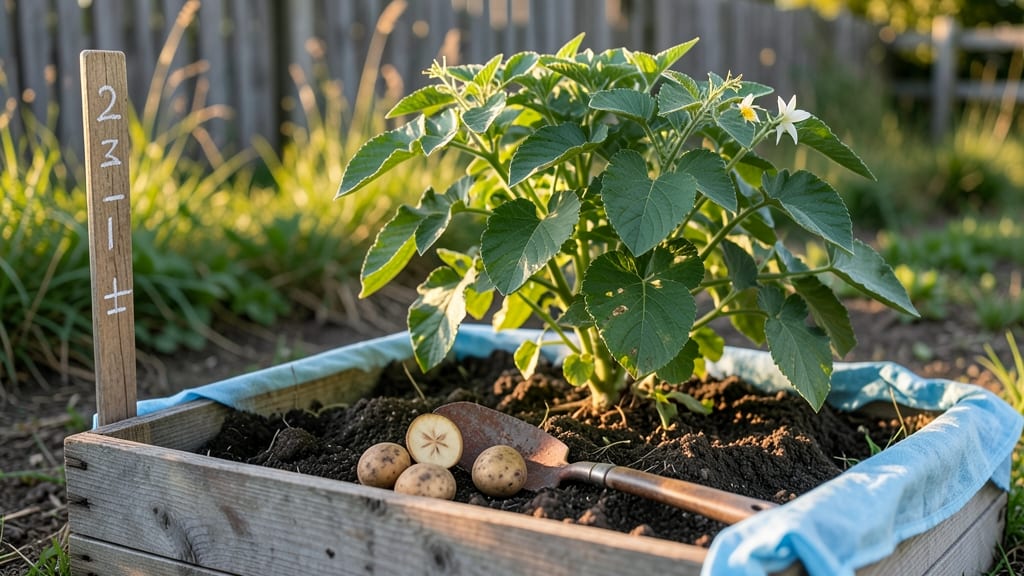
Planting your 🥔 potatoes at the wrong time in Zone 6 could mean watching your hard work melt into the soil before it even starts.
The key to a successful harvest isn't just about throwing seed potatoes into the dirt—it's about waiting for that perfect moment when soil temperatures and frost risks align just right.
In Zone 6, where last frosts linger into mid-April and first frosts creep back by October, timing is everything.
You'll want to plant as soon as the soil reaches a steady 45°F, which usually lands in early spring—think March or April—giving your tubers the fast start they need before summer heat sets in.
But here's where most gardeners go wrong: rushing too early or waiting too late. I'll break down exactly how to test your soil, which potato varieties thrive in your sub-zone, and even a few tricks to warm up cold soil faster—because in Zone 6, every degree counts.
Let's dive into the game-changer strategies that'll have your potatoes sprouting like clockwork, no matter whether you're in 6a or 6b. Ready to turn your garden into a potato powerhouse?
Ideal planting windows for Zone 6 potatoes based on soil temperature
In Zone 6, potatoes thrive when planted at the right moment—soil temperature is the game-changer. Unlike warm-season crops, potatoes need cool soil (40-50°F) to germinate, but they can’t tolerate frost.
This means timing your planting between mid-April and early May in most of Zone 6, but it varies by sub-zone and microclimate.
For early varieties, aim to plant as soon as the soil warms to 45°F and the last frost date has passed. Late varieties can handle slightly warmer soil (50°F) and can be planted 2-3 weeks later.
The key is avoiding frost damage to emerging sprouts, which can stunt growth or kill seedlings entirely.
Here’s the critical rule: Plant potatoes in Zone 6 when the ground is workable but not yet overheating. Overly warm soil (>60°F) causes potatoes to sprout too quickly, leading to weak plants and poor tuber formation.
Use a soil thermometer to check—this small tool saves you from guessing and wasted effort.
Northern Zone 6 (e.g., Chicago, IL) typically waits until late April, while Southern Zone 6 (e.g., Nashville, TN) can start as early as early April.
Elevation and proximity to large bodies of water also shift these windows—higher elevations stay cooler longer, delaying planting by 1-2 weeks.
Another pro tip: Chitting potatoes (pre-sprouting seed potatoes indoors) gives you a head start. Once sprouts are ½-inch long, plant them in warmer soil (50°F+) for faster emergence. This technique is especially useful for late Zone 6 gardeners who want to maximize their growing season.
Mistake alert: Planting too early in cold, wet soil leads to rot and disease. Wait until the soil dries out enough to crumble in your hands—this ensures good drainage and healthy root development from day one.
| Zone 6 Sub-Region | Last Frost Date | Ideal Planting Window | Soil Temp Threshold | Notes |
|---|---|---|---|---|
| Northern Zone 6 (6a) | Mid-April | Late April - Early May | 45-50°F | Use row covers for early frost protection |
| Southern Zone 6 (6b) | Early April | Early April - Mid-April | 40-45°F | Can plant earlier with black plastic mulch |
| High Elevation (6a) | Late April | Late April - Early June | 45-55°F | Extend season with cold frames |
For container gardening in Zone 6, plant potatoes in large pots (12+ inches deep) and use them as a staggered planting strategy. Start one batch in early April and another in mid-May to extend your harvest window.
Containers warm up faster than in-ground soil, so monitor closely to avoid overheating.
Pro tip: If your soil stays too cold for planting by late April, try straw mulch over seed potatoes planted in early April. The straw insulates the soil, helping it warm up faster while protecting sprouts from frost.
This is a favorite trick among Zone 6 gardeners with short seasons.
Remember, potatoes are cool-season crops, but they won’t tolerate frost. If a late frost hits after planting, use frost cloth or row covers to shield young plants until temperatures stabilize. With the right timing, you’ll be harvesting firm, disease-free tubers by mid-summer!
5 Soil temperature tricks to speed up potato germination in Zone 6
Cold Zone 6 springs can leave your seed potatoes sitting in the ground like frozen statues—waiting for warmth that never comes. I’ve learned the hard way that even with the perfect soil temperature of 45°F, germination can still drag if your soil stays stubbornly cool.
The good news? A few simple tricks can turn your potato patch into a sprouting hotspot weeks earlier than expected.
First, let’s tackle the biggest mistake I see: planting too early just because the calendar says "spring." In Zone 6, soil temperatures can still hover around 35°F in early March, and potatoes won’t germinate below 40°F.
Even if your seed potatoes are chitted (sprouted indoors), cold soil will stall their growth until the temperature rises. The key is to monitor soil temperature consistently—don’t guess.
Here’s how I test soil readiness: Stick a soil thermometer 3-4 inches deep (where your seed potatoes will sit) and wait until it hits 45°F for at least 3 days in a row.
If your soil is still below this, don’t panic—we’ll fix that with these tricks to jumpstart germination.
One trick I swear by for Zone 6b gardeners (warmer sub-zone) is planting a second crop in late June. After your first harvest, use the same beds for late-season varieties like Red LaSoda.
The soil is already warmed up, and you’ll avoid the early-season chill. Just cover the new plants with row covers if a late frost sneaks in.
Remember, overheating soil is just as bad as keeping it too cold. Aim for a sweet spot of 60-70°F during active growth—any hotter, and your tubers will start to sprout green (which means toxic solanine).
If your soil gets too warm, shade it with straw mulch or a lightweight shade cloth during peak afternoon sun.
Finally, don’t forget to rotate your planting beds every year. Potatoes are heavy feeders and can deplete soil nutrients, leaving your next crop struggling. Add compost or aged manure to the bed before planting to give your soil a nutrient boost.