
Flowers
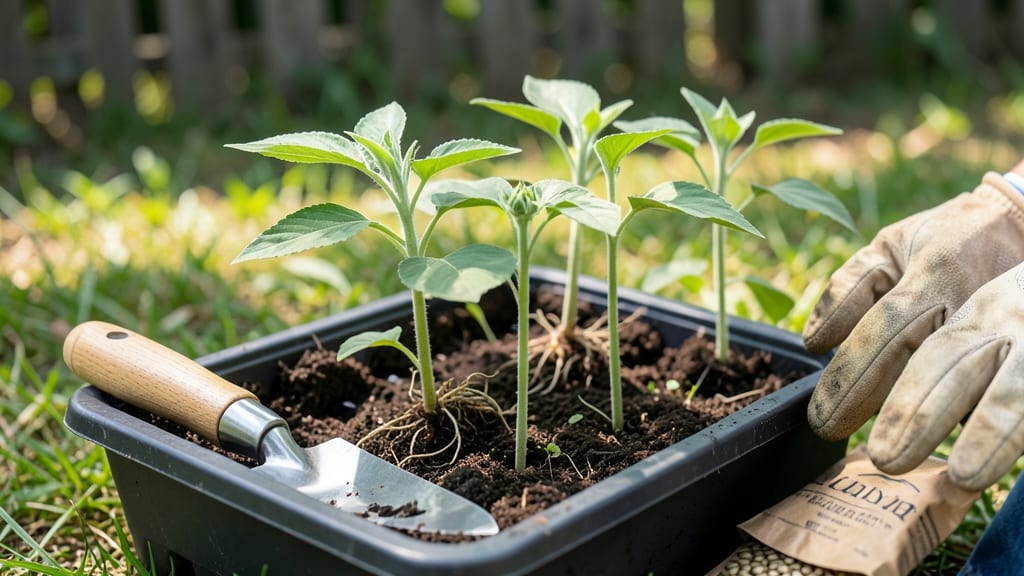
Planting sunflowers in Florida isn't just about grabbing seeds and sticking them in the ground—timing makes all the difference between vibrant, towering 🌻 blooms and wilted disappointment before they even reach their full potential.
With Florida's warm climate, you might think sunflowers can grow anytime, but the scorching summer heat and even rare frost in North Florida (Zone 8a) can throw off your harvest.
The key is planting when soil temperatures are just right—typically in early spring or late summer—to give your sunflowers the best shot at thriving.
Whether you're a first-time gardener or a seasoned pro, I’ll break down the exact months to plant in your specific Florida region, how to prep your soil, and even which varieties handle our heat like champions. Let’s get those sunflowers growing strong and tall!
Ready to avoid the common mistakes that lead to floppy stems or premature wilting? You’ll learn the perfect window to start seeds, how to protect them from unexpected chill, and when to expect those stunning blooms—so you can enjoy them before the heat peaks.
Best sunflower planting times in Florida by region (avoid frost & heat stress)
Florida’s frost-free climate makes sunflowers a year-round possibility, but timing still matters to avoid heat stress or poor germination.
Unlike northern states, you won’t have to wait for spring—just choose the right window to maximize blooms before summer’s peak. North Florida (Zones 8a-9a) has slightly cooler winters, while South Florida (Zones 10a-11) can plant almost anytime. Let’s break it down by region.
For North Florida, the safest window is February through April for spring blooms, or August through September for fall flowers.
Even here, rare light frosts (below 32°F) can occur in January, so avoid planting then. Central Florida (Zones 9a-10a) enjoys year-round planting, but May through July requires extra care—shade cloth and deep watering to prevent wilting.
South Florida gardeners have the most flexibility, planting any month with success. However, summer heat (June-August) can stress young seedlings, so I recommend starting seeds indoors or using shade cloth for 30-50% coverage. The key is avoiding peak afternoon sun during these months.
| Region | Best Planting Window | Key Considerations | Avoid Planting |
|---|---|---|---|
| North Florida (Zones 8a-9a) | Feb-Apr, Aug-Sep | Rare frost risk in Jan; soil warms quickly in spring | Jan (frost risk), Jun-Jul (extreme heat) |
| Central Florida (Zones 9a-10a) | Year-round (best: Feb-Apr, Aug-Sep) | Humidity spikes in summer; use shade cloth | May-Jul (heat stress for seedlings) |
| South Florida (Zones 10a-11) | Any month (best: Sep-Nov, Jan-Feb) | High humidity; monitor for fungal diseases | Jun-Aug (intense sun + heat) |
Direct sowing is the best method for sunflowers—they hate transplanting. Plant seeds ½ inch deep in well-draining soil with 6+ hours of sun. For spring plantings, aim for soil temps above 60°F (use a soil thermometer if unsure).
In fall, plant 8-10 weeks before first frost (though frost is rare, it’s still a guideline).
If you’re transplanting seedlings, do it only if necessary (e.g., starting indoors for summer plantings). Harden off seedlings for 7-10 days before moving them outside. Choose overcast days to reduce shock. Mulch with 2-3 inches of straw after planting to retain moisture and regulate soil temperature.
For summer plantings (June-August), focus on heat-tolerant varieties like ‘Autumn Beauty’ or ‘ProCut’. These handle 90°F+ temps better than standard types. Pair them with drip irrigation to keep roots cool.
Water deeply 2-3 times per week instead of daily shallow watering—this encourages deep root growth, which is critical in Florida’s intense sun.
One common mistake is planting sunflowers too close together. Give them 12-24 inches of space (depending on variety) to prevent crowding, which leads to pale stems and fewer blooms.
In small spaces, choose dwarf varieties like ‘Teddy Bear’ (1-3 ft tall) or ‘Moulin Rouge’ (3-5 ft tall).
Pro tip: Succession plant every 2-3 weeks for continuous blooms. Start with early spring (Feb-March), then late summer (August-September) for fall enjoyment. This extends your harvest window and ensures you always have fresh seeds or cut flowers.
Monitor your sunflowers for pest pressure like sunflower moths or aphids, which thrive in Florida’s heat. A neem oil spray or soapy water solution (1 tbsp mild soap per gallon of water) works wonders. Birds love sunflower seeds, so consider netting if you’re growing for seed production.
Remember, Florida’s long growing season means you can enjoy sunflowers almost year-round. The key is balance: avoid planting during peak heat (June-July) unless you’re prepared with shade and extra water. With the right timing, you’ll have towering sunflowers gracing your garden from spring through fall.
Best sunflower planting times in Florida by region (avoid frost & heat stress)
Florida’s frost-free climate makes sunflowers a year-round possibility, but timing still matters to avoid heat stress or stunted growth. Unlike northern states, you won’t worry about last frost dates—but humidity and summer heat can still challenge these sun-loving plants.
The key is planting when soil temperatures stay consistently warm, typically after mid-February in most regions.
In North Florida (Zones 8a-8b), where rare frosts can still occur, aim for late February to early March for spring blooms. Meanwhile, Central and South Florida (Zones 9a-11) gardeners enjoy year-round planting, but fall plantings (August-September) often yield healthier, more vibrant flowers before winter’s mild chill sets in.
| Region | Best Planting Window | Key Considerations | Harvest Time |
|---|---|---|---|
| North Florida (Zones 8a-8b) | Late February - Early March OR August - September |
Avoid January frosts (rare but possible); spring plantings benefit from cooler soil temps. | May - June OR November - December |
| Central Florida (Zones 9a-9b) | Year-round Peak: March-April & August-September |
Summer plantings need extra shade and water; fall blooms escape peak heat. | April - May OR October - November |
| South Florida (Zones 10a-11) | Year-round Peak: January-February & September-October |
No frost risk; prioritize soil moisture in dry seasons (Dec-Apr). | February - March OR November - December |
For direct sowing (the preferred method), plant seeds ½ inch deep and 1 inch apart in rows spaced 2 feet apart. Thin seedlings to 12-18 inches apart once they reach 4-6 inches tall. In South Florida’s heat, consider succession planting every 4-6 weeks to ensure continuous blooms.
If you prefer transplanting, start seeds indoors 2-3 weeks before your target outdoor date. However, sunflowers transplant poorly, so direct sowing is always better. Harden off seedlings by placing them outdoors for 2-3 hours daily before full transition.
Pro tip: Test soil temperature before planting—ideal temps are 60°F+. Use a soil thermometer or the back-of-your-hand test (if it feels warm to touch, it’s ready). In North Florida, wait until soil warms to 70°F+ to avoid slow germination.
Remember, sunflowers are heat-tolerant but not heat-loving. Planting in late summer risks bolting (premature flowering) or blossom drop. For best results, align planting with cooler months when temps hover around 75-85°F during the day.