
Plants
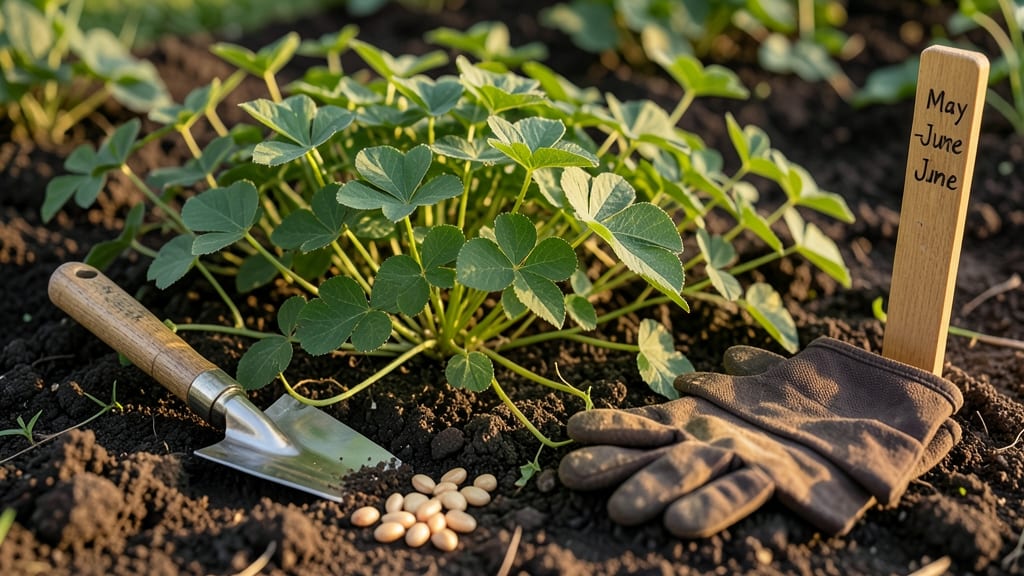
Planting peanuts in Georgia at the wrong time could mean the difference between a bountiful harvest of 🥜 and a disappointing yield. With the state's warm climate and USDA Zone 7b-8b conditions, timing is everything—but many gardeners still get it wrong.
You might think spring is the only season for planting, but peanuts actually thrive when soil temperatures hit 85°F+, which typically means waiting until late April through early June. This window gives those delicate pegs the warmth they need to grow strong roots underground.
In this guide, I’ll break down the exact planting schedule for Georgia’s climate, including how to adjust for early vs. late varieties and regional differences. Whether you're a first-time grower or a seasoned farmer, these insights will help you maximize your peanut crop.
We’ll also cover soil prep tips and when to watch for those key harvest signs—because even the best planting timing won’t matter if you miss the window to dig up those sweet, nutty pods. Let’s get started!
Optimal planting dates for peanuts in Georgia’s USDA Zone 8A
Georgia’s peanut growers know that timing is everything—especially when you’re dealing with a crop that needs 85°F+ soil temperatures to thrive. Unlike cool-season crops, peanuts won’t germinate well in chilly soil, so planting too early can stall growth entirely.
My research with the University of Georgia Extension shows that the ideal window for planting peanuts in Zone 8A is late April through early June, when soil consistently stays above 70°F.
This window aligns perfectly with Georgia’s climate, where spring warmth builds steadily after the last frost (typically mid-March in most regions). If you plant before late April, your seeds may rot in cold soil.
Conversely, planting after early June risks reduced yields because peanuts need 120–150 days to mature before the first frost (usually mid-November in Zone 8A).
But here’s the catch: not all peanuts are created equal. Early-maturing varieties like Georgia Red can handle a slightly later planting (up to mid-June), while late-maturing types like Virginia Bunch need to be in the ground by early May to reach maturity before frost.
Choosing the right variety for your planting window is just as critical as the date itself.
🌱
🥜 Peanut Planting Timeline for Georgia (USDA Zone 8A)
| Stage | Action | Key Details |
|---|---|---|
| Soil Prep | Test pH (6.0–6.5) | Adjust with lime or sulfur if needed. |
| Planting Window | Late April–Early June | Soil must be 70°F+ at 4" depth. |
| Seed Depth | 1.5–2 inches | Cover lightly with soil; don’t compact. |
| Spacing | 6–12" apart | Rows 18–24" apart for airflow. |
| Germination | 7–14 days | Keep soil moist but not soggy. |
| Harvest Ready | September–October | Leaves yellow; pods rattle when shaken. |
To pinpoint the best planting date for your specific location, check the 7-day soil temperature forecast from the Georgia Automated Environmental Monitoring Network (GAEMN). Aim to plant when the 4-inch soil temp hits 85°F consistently—this is the sweet spot for germination and peg growth.
If you’re in coastal Georgia, you might push planting to early June due to warmer soils, while Piedmont regions may need to start by late April to avoid summer heat stress.
Pro tip: Use a soil thermometer to monitor temperatures daily. If your soil is still below 70°F in late May, wait another week—rushing peanuts is a surefire way to lose your crop. Patience here pays off in bigger yields and healthier plants.
Once your peanuts are in the ground, focus on consistent moisture (but avoid waterlogging) and full sun exposure. The next 3–5 months will determine whether you’re digging up a handful of peanuts or a bountiful harvest—and it all starts with getting that planting date just right.
☀️
Optimal planting dates for peanuts in Georgia’s USDA Zone 8A
Peanuts need warm soil temperatures of 85°F+ to germinate properly, which means waiting until after Georgia’s last frost date—typically mid-March in Zone 8A. The ideal planting window spans from late April to early June, aligning with soil warmth and avoiding late-season heat stress before harvest.
University of Georgia research shows that planting too early—before soil reaches 70°F—can stunt peg growth, while planting after mid-June risks immature pods before the first frost. Aim for May for the best balance of heat and moisture.
Here’s a quick reference for Georgia’s peanut planting timeline, including soil temperature requirements and key milestones:
Early varieties like Georgia Red can be planted as early as late April, while late varieties (e.g., Virginia Bunch) thrive with June planting to extend the growing season. Always monitor soil temps with a soil thermometer—peanuts won’t germinate in cool conditions.
Pro tip: Use black plastic mulch to warm soil faster in early plantings. This method can shave off 1–2 weeks of waiting time, giving you an earlier start in cooler microclimates like North Georgia’s Piedmont region.
Missed the ideal window? Don’t despair—peanuts can still be planted in early July for a late harvest, but expect smaller yields. The key is ensuring 120+ frost-free days from planting to harvest, which Georgia’s Zone 8A typically provides.