
Plants
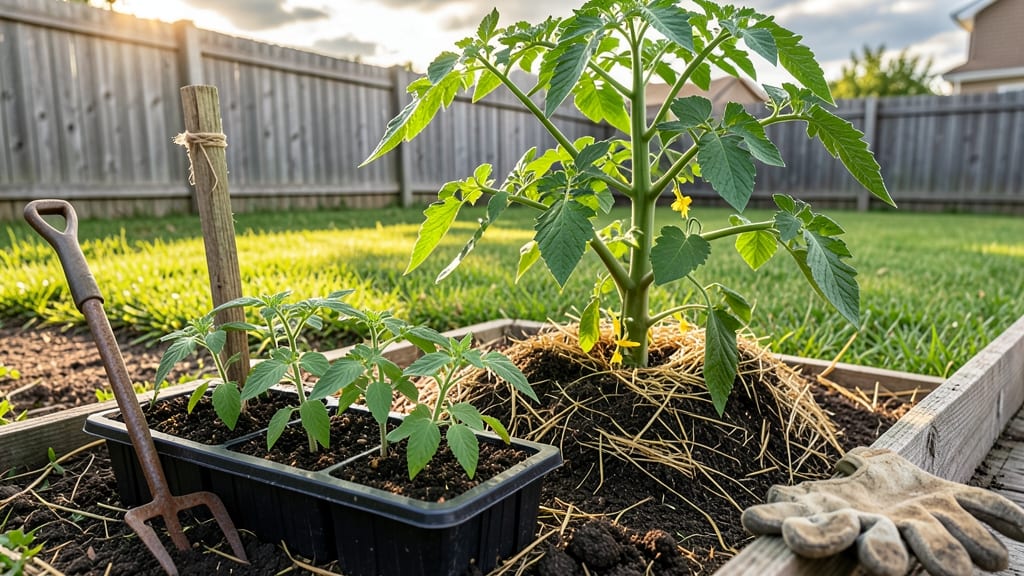
Planting tomatoes in Kentucky isn’t one-size-fits-all—get the timing wrong, and your 🍅 plants might bolt in summer heat or freeze before bearing fruit.
With USDA zones ranging from 6a to 7a, your last frost date could shift by weeks depending on whether you're in Louisville’s urban heat islands or the cooler Appalachian foothills.
Most Kentucky gardeners wait until after April 15 to transplant seedlings, but that’s just the starting point. Soil temperature matters more than the calendar—wait until it hits 60°F and nighttime lows stay above 50°F to avoid stunted growth.
In Western Kentucky’s 7a zones, you might plant 2 weeks earlier than in Eastern Kentucky’s 6a areas.
Here’s the game-changer: whether you’re starting seeds indoors in March or sowing directly after the last frost, I’ll break down the exact 3-step timeline for your region—plus how to stretch your harvest with succession planting. No more guessing games about when to plant your tomatoes in Kentucky.
Ready to grow juicier, more abundant tomatoes? Let’s dive into the frost-free schedule that actually works for your backyard—because Kentucky’s climate demands precision, not just patience.
Kentucky tomato planting dates by USDA hardiness zone (2024 guide)
Kentucky spans USDA Zones 5b through 7a, meaning your tomato planting timeline depends heavily on where you live. In Western KY (Bowling Green, Paducah), the growing season starts earlier than in Eastern KY (Corbin, Pikeville) due to elevation and microclimates.
For Louisville and Lexington, aim for mid-April transplants, while high-altitude areas like the Appalachian foothills may need to wait until late April or early May.
Tomatoes thrive when soil temperatures hit at least 60°F and nighttime lows stay above 50°F. Planting too early risks cold soil shock, while waiting too long cuts your harvest window.
Kentucky’s 180-day frost-free season gives you just enough time for indeterminate varieties like 'Better Boy' or 'Sungold' to produce all summer.
Here’s your region-specific planting schedule, including both transplant dates (for started seeds) and direct-sowing windows (for seeds planted straight into the garden). Adjust based on your local last frost date—check your county’s Almanac or use a soil thermometer for precision.
| Region | USDA Zone | Last Frost Date | Transplant Window | Direct Sow Window | Notes |
|---|---|---|---|---|---|
| Western KY (Bowling Green, Paducah) | Zone 7a | March 25 - April 5 | April 10 - April 25 | April 20 - May 5 | Warmest zone; early starts possible. |
| Louisville & Lexington | Zone 6b-7a | April 1 - April 15 | April 15 - May 1 | April 25 - May 10 | Urban areas may run 5-10°F cooler. |
| Central KY (Frankfort, Frankfort) | Zone 6a-6b | April 5 - April 20 | April 20 - May 5 | May 1 - May 15 | Moderate climate; balance speed and risk. |
| Eastern KY (Corbin, Pikeville) | Zone 5b-6a | April 15 - May 1 | May 1 - May 15 | May 10 - May 25 | Higher elevation delays frost dates. |
| Northern KY (Covington, Maysville) | Zone 6a-6b | April 10 - April 25 | April 25 - May 10 | May 5 - May 20 | River valleys warm faster than hills. |
*Adjust dates 1-2 weeks earlier for urban heat islands or later for high-altitude gardens.
For transplants, start seeds indoors 6-8 weeks before your target transplant date. Use grow lights if natural light is limited—tomato seedlings need 12-16 hours of light daily to avoid leggy growth. Harden off seedlings for 7-10 days before planting by gradually exposing them to outdoor conditions.
If you prefer direct sowing, plant seeds 1/4 inch deep in warm soil and keep them moist until germination (typically 5-10 days).
Thin seedlings to 18-24 inches apart for indeterminate varieties or 24-36 inches apart for determinate types. Mulch heavily with straw or shredded leaves to retain moisture and suppress weeds.
Remember: Kentucky’s humid summers mean tomatoes need consistent watering to prevent cracking or blossom-end rot. Use drip irrigation or soaker hoses to deliver water directly to the soil, avoiding wetting the foliage. This also reduces the risk of early blight, a common fungal disease in Kentucky gardens.
Pro tip: Succession plant every 2 weeks after your initial transplant date to extend your harvest. Choose early-maturing varieties like 'Stupice' (55 days) or 'Mountain Merit' (65 days) for Eastern KY’s shorter season, while indeterminate types like 'Cherokee Purple' (80+ days) thrive in Western KY’s longer heat.
🌱
How to Adjust planting times for Kentucky’s microclimates (pro tips)
Kentucky’s rolling hills and urban heat islands create microclimates where planting dates can shift by 2-3 weeks. In Western KY’s heat sinks (like Paducah), soil warms faster, while Eastern KY’s Appalachian foothills stay cooler longer.
I’ll show you how to fine-tune your schedule using 3 key adjustments—indoor starts, elevation shifts, and urban vs. rural timing.
Pro Tip: Use a soil thermometer ($10 at garden centers) to confirm 60°F soil temps before transplanting. Cold soil stunts root growth, even if air temps feel warm.
Eastern KY (Zones 5b-6a): Start March 15-April 1 for May 1 planting
1000-2000 ft (Appalachian foothills): Wait until May 1-15
Above 2000 ft (Pine Mountain): Plant May 15-30 or use short-season varieties
Example: If rural Lexington plants on April 25, urban Louisville can plant April 15
For high-altitude gardeners in Eastern KY, prioritize early-maturing varieties like ‘Mountain Merit’ (65 days) or ‘Stupice’ (55 days). These thrive in shorter seasons and cooler soils. Mulch with straw to maintain even soil temps—fluctuations of just 5°F can trigger blossom drop.
If you’re in Western KY’s heat zones, opt for heat-tolerant varieties like ‘Celebrity’ or ‘Heatmaster.’ These handle 90°F+ temps better than standard varieties. Shade cloth (30%) during peak afternoon sun can extend your harvest by 2-3 weeks in August.
Quick Check: Monitor your local Weather Underground station for 10-day forecasts. A cold snap below 40°F after transplanting can set your crop back by 3-4 weeks. Use row covers if frost threatens within 14 days of planting.
🌱