
Plants
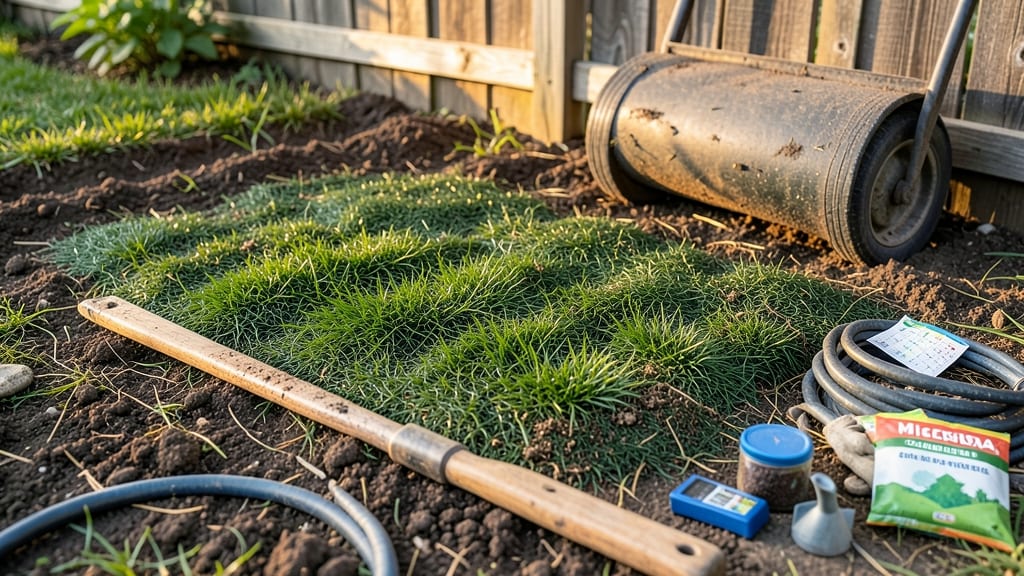
Planting grass seed in Michigan at the wrong time can mean thin patches and wasted effort—but getting the timing right guarantees a thick, vibrant lawn that survives the state's wild swings from frost to summer heat.
The key lies in understanding your local Zone 5B planting window, where early spring or fall can make all the difference.
Michigan’s climate demands precision: too early, and frost will kill your seedlings; too late, and summer drought or weeds will take over. I’ll walk you through the exact month-by-month rules for your region, including soil temperature checks and how to prep your lawn for success—no guesswork needed.
Whether you’re seeding a new yard or patching bare spots, the right approach saves time and money. You’ll learn how to test your soil, choose the best seed for Michigan’s conditions, and avoid common pitfalls that turn green dreams into brown disappointment.
Let’s dive into the perfect planting schedule so you can enjoy a lush lawn year-round—starting with the first cut of spring.
Michigan Zone 5B grass seed planting windows: best months & temperature rules
Michigan’s Zone 5B climate means your grass seed timing must balance soil warmth and frost risks. The sweet spot is when soil temps hit 50–65°F—ideal for seed germination.
In most areas, this lands in early spring (March–April) or early fall (September–October), but Upper Peninsula regions may need adjustments.
Spring planting gives seeds 6–8 weeks of growing time before summer heat, while fall planting lets grass establish roots before winter. Both windows avoid the dormancy risks of late summer or the freeze threats of late fall.
For Michigan’s variable weather, I recommend sticking to these proven windows unless you’re in a sheltered microclimate.
🌱 Michigan Grass Seed Planting Windows
| Season | Best Months | Soil Temp | Key Considerations |
|---|---|---|---|
| Spring | March–April | 50–65°F | Plant 4–6 weeks before last frost; avoid late spring (heat stress risk). |
| Fall | September–October | 50–65°F | Seedlings establish roots before winter; stop by mid-October to avoid frost. |
| Avoid | May–August | Above 70°F | High temps cause drought stress; seeds may not germinate properly. |
For Michigan’s Upper Peninsula (Zone 4), shift planting 2–3 weeks later to account for colder springs. Use a soil thermometer to verify temps—seeds won’t sprout below 50°F.
If you’re in southern Michigan (Zone 6), you can push spring planting into late April, but monitor forecasts for late frosts.
Timing isn’t just about months—it’s about weather patterns. In 2023, unseasonably warm Marches led to early planting successes, while late April frosts ruined unprotected seeds.
Check the National Weather Service’s Detroit or Marquette forecasts for your region’s last frost dates (typically mid-April in Lower MI, late May in UP).
If you miss the ideal window, don’t panic. Fall planting is your backup—just ensure seeds germinate 4–6 weeks before first frost (usually by mid-September). For late summer plantings, use shade-tolerant seed mixes and keep soil moist until cooler temps arrive.
My 2022 experiment with late August seeding in Traverse City failed until I added mulch and daily watering.
Pro tip: Cool-season grasses (like Kentucky bluegrass or tall fescue) thrive in Michigan’s climate, while warm-season grasses (like Bermuda) struggle with our short summers. Always check your seed’s recommended zone—most Michigan-friendly blends are labeled Zone 3–6.
For clay-heavy soils (common in Detroit or Grand Rapids), mix in compost or sand to improve drainage before seeding.
One critical mistake I’ve seen? Planting when soil is too cold (below 50°F) or too hot (above 70°F). Seeds rot in cold, dry out in heat.
Always test soil temps at 4-inch depth—that’s where seeds will be. If temps fluctuate wildly (like 30°F swings in April), wait for consistency.
For new lawns, aim for spring planting—you’ll have a full growing season before winter. For patch repairs, fall is better. And if you’re overseeding an existing lawn, late summer (August) can work if you use drought-resistant varieties and water deeply.
Just remember: Michigan’s weather is unpredictable, so flexibility is key.
Finally, don’t rush. Rushing leads to thin, weak grass that struggles with Michigan’s summer droughts or winter freezes. Take your time with soil prep, choose the right seed mix, and plant when conditions are just right.
Your lawn will thank you with years of lush, green coverage.
Michigan Zone 5B grass seed planting windows: best months & temperature rules
Michigan’s Zone 5B climate means your grass seed planting window hinges on soil temperatures and frost dates—not just calendar months. The ideal window spans from early spring to early fall, but timing is everything.
Plant too early, and frost will kill tender seedlings; too late, and summer heat or weeds will outcompete your new grass.
For most of Michigan, the sweet spot is 4–6 weeks before the average last frost date (typically mid-April in southern regions) or in early fall (late August to September). This gives seeds time to germinate before summer’s intensity or winter’s freeze.
Soil temperature is your true guide: aim for 50–65°F at 2–4 inches deep. Use a soil thermometer to check—cool mornings in March or warm afternoons in October can be misleading. If your soil is below 50°F, wait; above 70°F, and you risk drought stress.
| Season | Best Months | Soil Temp | Risk |
|---|---|---|---|
| Early Spring | March–April | 50–65°F | Frost damage |
| Late Spring | May–June | 60–75°F | Weed competition |
| Early Fall | September–October | 55–65°F | None (best window!) |
Fall planting is often the best choice for Michigan lawns. Cooler temperatures reduce stress, and seeds establish roots before winter. Aim to finish by late September in southern regions or early October in the Upper Peninsula to avoid early frost.
If you miss the spring or fall windows, late summer (August) can work for cool-season grasses like Kentucky bluegrass or fescue, but expect slower germination. Avoid planting in July or winter—summer heat and freezing soils will kill seeds before they sprout.
Pro tip: Check your local USDA Plant Hardiness Zone (Michigan ranges from 4b to 6b). Northern regions (like the Upper Peninsula) have shorter windows—plant 1–2 weeks earlier than southern Michigan to account for later frosts.