
Plants
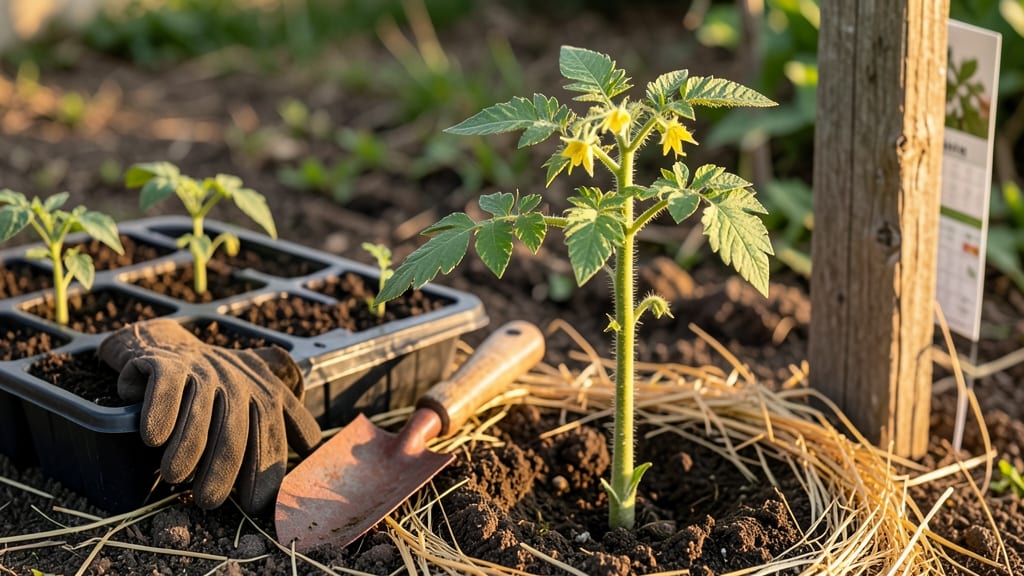
Planting tomatoes in Florida at the wrong time can turn your 🍅 dreams into a sad, wilted mess—especially when the heat hits too early or too late. Unlike northern gardeners, Floridians don’t have to worry about frost, but we do have to outsmart our relentless summer sun and humidity.
The key? Knowing exactly when to get those seedlings in the ground for a harvest that lasts from spring through fall.
Most gardeners assume "plant early" means January, but that’s where mistakes happen—especially in North Florida’s 9a-10a zones. The truth? Your best bets are January-March for spring tomatoes and August-October for fall, with soil temps being the real game-changer.
Skip the guesswork and you’ll avoid bolting plants or fruit that turns mealy under the midday sun.
I’ve learned the hard way that Florida’s year-round growing season isn’t a free pass—it’s a puzzle. Too early? Your tomatoes bolt before they fruit. Too late? The summer heat stresses them before they even take root.
The solution? Strategic timing, shade cloth for peak summer months, and choosing heat-tolerant varieties like ‘Solar Fire’ or ‘Heatmaster.’
In this guide, I’ll break down the exact months to plant, how to prep your soil for Florida’s clay-heavy dirt, and whether you should start seeds indoors or dive straight into the garden.
Let’s turn your tomato patch from a gamble into a guaranteed harvest—no more wasted effort, just juicy, vine-ripened 🍅 success.
Florida’s ideal tomato planting zones & months (by region)
Florida’s frost-free climate makes tomato growing possible year-round, but that doesn’t mean you should plant anytime. The key is avoiding extreme heat and humidity spikes that stress plants.
North Florida’s cooler winters and South Florida’s intense summers create distinct planting windows. Let’s break down the optimal months for each region to maximize your harvest.
In North Florida (USDA Zones 8a-9a), you’ll find the most traditional spring and fall seasons, while Central Florida (Zone 9b) offers extended growing windows. South Florida (Zone 10a) can grow tomatoes almost year-round, but summer planting requires extra care.
Understanding these regional differences ensures you don’t waste time or resources on failed crops.
Here’s the golden rule for Florida tomato planting: Soil temperature must stay above 60°F (15°C) for consistent germination and growth. A soil thermometer is your best friend—planting too early when soil is still cool leads to poor root development and disease susceptibility.
For spring planting, aim for January through March in North Florida, where cooler temperatures create ideal conditions. Central Florida gardeners can start as early as December, while South Florida’s mild winters allow for year-round planting with proper shade management.
The goal is to get seedlings in the ground 6-8 weeks before the last expected frost—though Florida rarely sees frost, heat stress becomes the bigger concern.
Fall planting offers another prime window, especially in August through October. This aligns with Florida’s dry season, reducing fungal diseases like early blight. In North Florida, fall plantings can extend into November, while South Florida gardeners might push to December with shade protection.
The key is to avoid planting too close to summer’s peak, when temperatures often exceed 90°F (32°C).
| Region | USDA Zone | Spring Planting Window | Fall Planting Window | Key Consideration |
|---|---|---|---|---|
| North Florida | 8a-9a | January-March | August-October | Cooler nights, frost risk in high elevations |
| Central Florida | 9b | December-February | July-September | Humidity spikes in summer |
| South Florida | 10a | Year-round (with shade) | Year-round (with shade) | Intense summer sun requires shade cloth |
🌱 Pro Tip: Use shade cloth (30-50%) for summer plantings in all regions to prevent bolting (premature flowering).
Direct sowing vs. transplanting is another critical decision. In Florida’s warm climate, transplanting seedlings (purchased or home-grown) is often easier than direct sowing, especially in summer months. Seedlings give you a head start and allow for better control over growing conditions.
However, if you prefer direct sowing, wait until soil temperatures consistently stay above 70°F (21°C)—usually April-May for spring and September-October for fall.
Heat-tolerant varieties like ‘Heatmaster’, ‘Solar Fire’, and ‘Creole’ thrive in Florida’s summer conditions, while ‘Celebrity’ and ‘Better Boy’ perform well in cooler spring/fall seasons. Choosing the right variety for your planting window can double your yield and reduce stress on your plants.
Always check seed packets for days to maturity and align them with your planting timeline.
One common misconception is that Florida’s warm weather means you can plant tomatoes anytime. In reality, summer planting (May-July) often leads to poor fruit set due to high temperatures. Tomatoes need a day-night temperature swing of at least 15°F (8°C) for proper pollination.
If your area stays above 85°F (29°C) for extended periods, consider shade cloth or black plastic mulch to cool the soil and roots.
For container growing, timing is even more critical. Pots heat up faster than garden beds, so spring and fall remain the best windows. Use lightweight, well-draining soil and larger pots (at least 5-gallon size) to accommodate root growth.
Container tomatoes in Florida often need daily watering during summer, so plan accordingly.
Finally, don’t overlook succession planting—a technique where you plant new seeds or seedlings every 2-3 weeks during the growing season. This ensures a continuous harvest and prevents overwhelming your plants with too much fruit at once.
In Florida, this works best from January through March and August through October.
3 Critical mistakes Florida gardeners make with tomato planting (and how to fix them)
Planting tomatoes in Florida isn’t just about avoiding frost—it’s about dodging the three biggest mistakes that sabotage harvests. Many gardeners rush into planting too early, only to watch their seedlings wilt under summer’s relentless sun.
Others wait too late, missing the optimal 60°F soil temperature that triggers healthy growth. Let’s break down these pitfalls and how to avoid them.
First, planting too early in spring (before March) can lead to leggy, weak plants struggling with cool soil. Florida’s North and Central regions face occasional chilly nights, while South Florida’s heat can scorch seedlings if planted in May.
The fix? Start seeds indoors 8-10 weeks before your target transplant date (late February for spring, July for fall) to give them a head start.
⚠️ Mistake #1: Planting Too Early (Before Soil Warms to 60°F)
Risk: Stunted growth, poor root development, and higher susceptibility to Fusarium wilt. Cool soil delays germination and weakens seedlings.
Fix: Use a soil thermometer to confirm 60°F+ soil temps. For spring, aim for March 1–15 in North Florida; February 15–March 1 in Central/South Florida.
Second, many gardeners ignore soil preparation, assuming Florida’s sandy soil is enough. Without organic matter, tomatoes struggle to retain moisture and nutrients. Amend your soil with 2–3 inches of compost or aged manure before planting. A pH of 6.2–6.8 is ideal—test your soil to avoid nutrient deficiencies.
Third, planting too late in summer (after June) exposes tomatoes to bolting—when they flower prematurely due to heat stress. This leads to bitter fruit or no harvest at all. Instead, opt for heat-tolerant varieties like ‘Solar Fire’ or ‘Heatmaster’ and use shade cloth (30–50%) during peak afternoon sun.
For fall plantings, start seeds in July for transplanting in August.
Finally, skipping succession planting limits your harvest. Instead of one big planting, stagger seeds every 2–3 weeks from February to April (spring) and July to September (fall). This ensures a continuous supply of ripe tomatoes and maximizes your garden’s potential.
By avoiding these mistakes, you’ll enjoy healthier plants, bigger yields, and fewer pests. Remember: Florida’s climate is forgiving, but timing is everything. Start smart, and your tomato plants will reward you with a bountiful harvest all year round! 🌱