
Planting
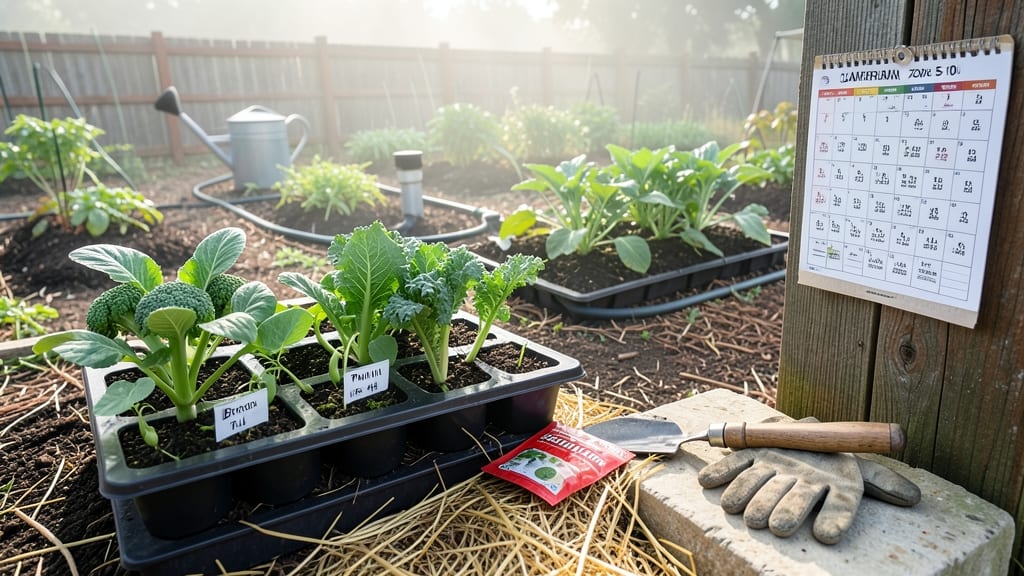
When to plant a vegetable garden in California isn’t just about following a calendar—it’s about beating the heat, dodging coastal fog, and working with your region’s unique microclimate.
Plant too early in the Central Valley, and your tomatoes will bolt before they ripen; wait too long in coastal areas, and your lettuce might turn bitter from summer’s intensity. The perfect window depends on whether you’re in the Bay Area, the desert, or the Central Valley.
I’ve grown vegetables in California’s diverse zones for years, and the difference between a thriving garden and a struggling one often comes down to one simple rule: know your last frost date and adjust for heat.
Coastal gardeners can start cool-season crops like broccoli in late winter, while inland growers should wait until soil warms in spring. Let’s break down the exact months to plant for your specific corner of the Golden State.
What if you’re unsure whether your area leans toward coastal mildness or inland heat? No problem—we’ll cover regional variations, from Southern California’s winter planting opportunities to Northern California’s spring focus.
You’ll learn which vegetables thrive when planted in March vs. May, and how to avoid common mistakes that ruin timing.
Ready to transform your backyard into a productive vegetable patch? By the end of this guide, you’ll know exactly when to plant each crop—so you can enjoy fresh harvests all season long. Let’s get started!
California planting zones: coastal vs inland start dates by month
California’s microclimates create dramatic differences in planting times. Coastal areas like San Francisco enjoy mild winters, while inland regions such as Bakersfield face scorching summers. Understanding these zones ensures your vegetable garden thrives year-round.
Coastal gardens can start cool-season crops in winter (December-February), while inland areas wait until spring (March-April). The Central Valley has a 120-day growing season, while coastal zones stretch to 240 days thanks to milder winters.
Use frost-free dates as your guide: Northern California averages last frost around March 15, while Southern California rarely sees frost. Inland areas like Sacramento may plant warm-season crops by April 1, but coastal Santa Barbara can start tomatoes in March.
Here’s how to match your planting schedule to your zone:
For coastal gardens, prioritize winter planting of leafy greens and root vegetables. Inland areas should focus on heat-tolerant varieties like okra or black-eyed peas for summer.
Soil temperature matters more than calendar dates. Use a soil thermometer—cool-season crops thrive at 45-65°F, while warm-season crops need 60-85°F. Inland soils heat up faster, so wait until April for tomatoes.
Microclimates like urban heat islands can push planting dates 2-3 weeks earlier. If your garden sits near pavement or buildings, start warm-season crops in late March instead of April.
Adjust for elevation too. Mountain areas like Lake Tahoe have cooler microclimates, delaying planting by 2-4 weeks compared to nearby valleys.
Always check local frost dates via the USDA Plant Hardiness Zone Map. Coastal Zone 9-10 areas rarely see frost, while inland Zone 7-8 may experience light frosts in December.
Pro tip: Succession plant every 2-3 weeks for continuous harvests. In coastal zones, sow lettuce every 3 weeks from October to April.
Best vegetables to plant by season in California (with exact timing)
California’s seasonal diversity means your vegetable garden can thrive year-round if you plant the right crops at the right time. Coastal areas like San Francisco enjoy mild winters, while inland zones like Sacramento face scorching summers—each demands a tailored approach. Below, I’ve broken down 12 high-yield crops, their ideal planting windows, and succession planting tips to maximize your harvest.For cool-season crops like broccoli and spinach, coastal gardeners can start as early as late August, while inland areas should wait until October to avoid early frost damage.
Meanwhile, warm-season lovers such as tomatoes and peppers need soil temperatures above 60°F—coastal regions can plant in March, but inland zones should wait until May to prevent heat stress.
🌱
| Vegetable | Coastal Planting Window | Inland Planting Window | Harvest Time | Succession Tip |
|---|---|---|---|---|
| Broccoli | Late Aug - Sep | Oct - Nov | Dec - Mar | Sow every 2 weeks |
| Tomatoes | Mar - Apr | May - Jun | Jun - Oct | Use heat-tolerant varieties |
| Lettuce | Sep - Oct | Mar - Apr | Oct - Dec | Shade cloth in summer |
| Zucchini | Apr - May | Jun - Jul | Jul - Sep | Plant 2-3 seeds per hill |
| Peppers | Feb - Mar | Apr - May | Jul - Oct | Start indoors for early harvest |
| Carrots | Sep - Oct | Mar - Apr | Nov - Jan | Sow in loose soil |
| Cucumbers | Apr - May | Jun - Jul | Jun - Sep | Trellis for space-saving |
| Spinach | Aug - Sep | Oct - Nov | Sep - Dec | Harvest young leaves |
Succession planting is your secret weapon for a year-round harvest. For example, lettuce bolts in summer heat, so coastal gardeners should sow new seeds every 2-3 weeks from September to November. Inland areas can extend the season by planting heat-tolerant varieties like Black Seeded Simpson and using shade cloth to protect tender leaves.
For warm-season crops, timing is everything. Tomatoes and peppers need consistent warmth—planting too early in inland areas can stunt growth.
Instead, use row covers or black plastic mulch to warm the soil faster. Zucchini and cucumbers thrive in hot, sunny conditions, so prioritize south-facing beds and drip irrigation to prevent fruit rot from overhead watering.
🌿
Don’t overlook perennial vegetables like asparagus and artichokes, which can be planted once and produce for years. Asparagus crowns should go into the ground in early spring (coastal) or late winter (inland), while artichokes prefer mild coastal winters and can be planted as early as October in San Diego but wait until March in Sacramento.
Pro tip: Use a planting calendar tailored to your USDA zone (e.g., Zone 7b for coastal areas, Zone 9b+ inland). Many local Cooperative Extension offices offer free frost-free date maps—a game-changer for avoiding late-season surprises.
With the right timing, your California vegetable garden can be as productive as it is beautiful!