
Planting
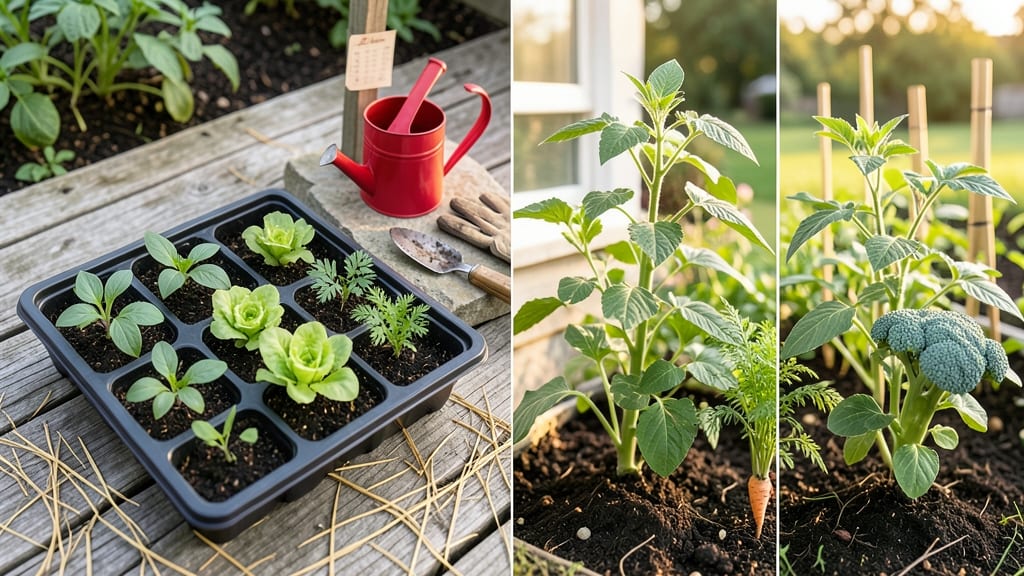
Pennsylvania planting calendar: exact start dates by crop type (zone 5B/6A)
Pennsylvania’s Zone 5B/6A climate demands precision when planting vegetables—miss the window, and you risk frost damage or stunted growth. The key is understanding cool-season crops (like lettuce and peas) thrive in early spring, while warm-season crops (tomatoes, peppers) need warmer soil temperatures after the last frost.
Most of Pennsylvania’s last frost date falls around April 15, but urban areas like Philadelphia may see it 1–2 weeks earlier due to heat islands.
For cool-season vegetables, I start seeds indoors 4–6 weeks before the last frost date. This means mid-February to early March for most of PA. Direct-sow hardy crops like spinach and kale as soon as soil is workable, typically late March.
Warm-season crops, however, need to wait until 2–3 weeks after the last frost—usually mid-May—when soil temperatures reach 60°F+.
Here’s a quick reference for Pennsylvania’s planting timeline, tailored to your region’s frost dates and crop types:
| Crop Type | Start Indoors | Direct Sow | Transplant Outdoors | Notes |
|---|---|---|---|---|
| Cool-Season (Lettuce, Spinach, Peas) | Mid-February | Late March | Early April | Succeeds in 40–50°F soil |
| Warm-Season (Tomatoes, Peppers, Beans) | Late March | Mid-May | Late May | Wait for 60°F+ soil |
| Fall Crops (Kale, Carrots, Radishes) | N/A | Late July | N/A | Plant 8–10 weeks before first frost |
For warm-season crops, I always test soil temperature with a soil thermometer—anything below 60°F will stunt seedlings. If you’re in Pittsburgh or rural areas, aim for late May to avoid late frosts.
Meanwhile, Philadelphia gardeners can plant 1–2 weeks earlier thanks to urban heat retention. Don’t forget to harden off seedlings for 7–10 days before transplanting to prevent shock.
One trick I swear by is using row covers or cold frames to extend the season for cool-season crops. This lets me plant spinach and peas in early March without worrying about frost.
For warm-season crops, I always keep a few transplant trays indoors until the soil warms up—this ensures I’m ready to move them out as soon as conditions are right.
If you’re planting tomatoes or peppers, I recommend waiting until after Memorial Day in most of PA. These heat-loving plants won’t germinate in cold soil, and starting them too early can lead to leggy, weak seedlings.
For beans and squash, which are more frost-tolerant, you can direct-sow as soon as the soil is workable—usually mid-April.
For fall planting, focus on kale, carrots, and radishes, which thrive in cooler weather. I start these late July to early August to ensure a harvest before the first frost, typically around October 15.
Use black plastic mulch to warm the soil for early fall plantings or straw mulch to keep roots cool in late summer.
Pro tip: Bookmark the Penn State Extension’s Frost Date Map—it’s a game-changer for adjusting planting times based on your exact location. Even a 10-mile elevation change can shift frost dates by 1–2 weeks, so local data is everything.
Pair this with a garden journal to track your own success over the years!
How to adjust planting times for Pennsylvania’s microclimates (Pittsburgh vs. Philadelphia vs. rural areas)
Pennsylvania’s diverse geography—from urban heat islands in Philadelphia to cool mountain valleys in the Poconos—means your neighbor’s planting schedule might not work for you. Even within Zone 5B/6A, microclimates can shift planting windows by 2–4 weeks.
Understanding these differences helps you avoid late frosts in rural areas or heat stress in cities.
For example, Philadelphia’s concrete and buildings trap heat, often creating a 1–2 week earlier last frost than rural Lancaster. Meanwhile, Pittsburgh’s elevation and lake breezes can delay spring by 10–14 days compared to the state’s southern regions.
Rural areas like Lebanon County may see frost-free dates 2 weeks later than Philadelphia.
To fine-tune your schedule, start by checking your local frost dates using tools like the Penn State Ag Weather Network or Almanac’s Frost Calculator. These resources account for urban heat islands, elevation shifts, and lake-effect weather—critical for PA’s varied climate.
If you’re in a warmer microclimate (like Philadelphia), focus on early succession planting for crops like bush beans or zucchini to maximize your short growing season. In cooler areas (Pittsburgh, Poconos), prioritize fast-maturing varieties or use row covers to extend the season.
Pro tip: Use soil thermometers to confirm when soil reaches 60°F+ for warm-season crops—this is often 1–2 weeks after your last frost date. For cool-season crops, plant 4–6 weeks before your average last frost, even if nights are still chilly.
Don’t let PA’s microclimates confuse you—adjust your schedule by 1–2 weeks based on your location, and your garden will thrive year after year. 🌱