
Plants
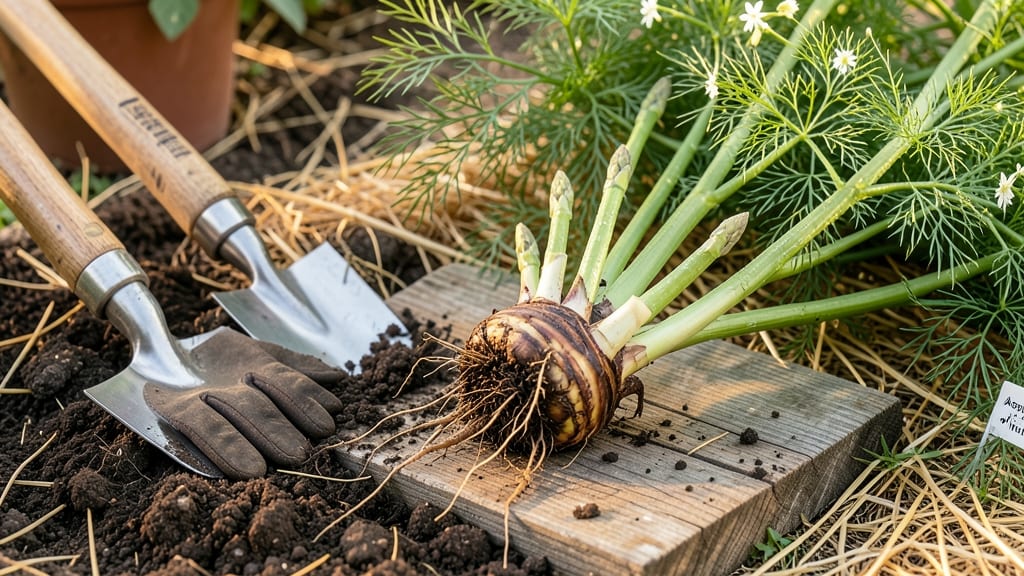
Planting asparagus in Kentucky isn't just about timing—it's about catching that sweet spot between frost and soil warmth to give your crowns the best start. Too early, and you risk frost damage; too late, and your spears may never reach their full potential.
The key is getting those 1-year-old crowns into the ground when temperatures hover around 50°F, typically in early spring.
For Kentucky gardeners in zones 6a-7a, that means aiming for late March to mid-April, just as the last frost dates fade into memory. But here's the catch: your local microclimate matters.
If you're in a cooler pocket of the state, wait for the soil to warm up—stick your finger in about 6 inches deep, and if it feels cool, hold off for another week.
Once you've got the timing right, the real work begins. Asparagus thrives in well-drained soil, so amend your Kentucky clay with compost and create those 12-inch-deep trenches to give the crowns room to spread.
Mulch heavily to retain moisture, and water deeply once a week until the plants establish themselves—usually by late summer.
Here’s what you’ll discover next: how to adjust for Kentucky’s unpredictable springs, the exact soil prep steps to avoid common pitfalls, and a month-by-month care guide to ensure your asparagus crowns grow strong enough to reward you with years of harvests. Let’s get those spears growing!
Best planting weeks for Kentucky asparagus by Zone (7a-7b)
Kentucky’s USDA zones 6a-7a mean your asparagus planting window hinges on soil temperature and last frost dates. Aim for late March to mid-April, when soil reaches 50°F at 6 inches deep. This timing ensures your crowns establish roots before summer heat arrives.
In Zone 7a (warmer southern KY), you can plant as early as late February to early March, while Zone 6a (northern KY) may need to wait until mid-April. Check your local average last frost date—most KY regions see it around April 15th.
Here’s the critical difference between planting crowns vs. seeds in Kentucky. Crowns—1-year-old roots—are the fastest route to harvest, while seeds take 2-3 extra years to mature. For Kentucky’s short growing season, crowns are the smarter choice.
If your spring is unusually cold, delay planting until soil warms. Use a soil thermometer—asparagus crowns rot in cold, soggy soil. For Zone 7a, you might even squeeze in a second planting in early May if your first attempt failed.
Once planted, cover crowns with 6 inches of soil initially, then add more as spears grow. Kentucky’s clay-heavy soil drains poorly, so amend with compost or sand to prevent waterlogging. This step is non-negotiable for long-term success.
For container growing in Kentucky, use large pots (at least 18 inches deep) and plant crowns 2 inches below soil level. Containers warm up faster than ground soil, so you can plant 2-3 weeks earlier than in-ground.
After planting, water deeply to settle soil around roots. Kentucky’s humid summers can dry out surface soil quickly, so mulch with straw or wood chips to lock in moisture. Avoid wetting foliage to prevent fungal diseases like rust, common in KY’s damp climate.
Your first spears may appear in year 2, but patience pays off—well-established asparagus beds in Kentucky can produce for 10-15 years with proper care. The key? Perfect timing at planting sets the stage for decades of harvests.
🌱
Best planting weeks for Kentucky asparagus by Zone (7a-7b)
Timing is everything when planting asparagus in Kentucky’s USDA zones 7a-7b. The goal is to get those 1-year-old crowns into the ground when soil temperatures reach 50°F—ideally between late March and mid-April.
This window aligns with Kentucky’s average last frost date of mid-April, giving your plants a head start before summer heat arrives.
If you’re in Zone 7a (cooler areas like the Appalachian foothills), aim for late March to early April. For Zone 7b (warmer regions like Louisville or Bowling Green), you can push it to mid-April.
Use a soil thermometer to confirm—planting too early in cold soil can stunt root growth, while waiting too long risks summer stress.
Here’s how Kentucky’s microclimates affect timing:
- Northern KY (Zone 7a): Wait until soil warms to 50°F—often late March.
- Central KY (Zone 7a/b): Plant in early to mid-April for balanced warmth.
- Southern KY (Zone 7b): Mid-April is ideal—soil heats faster here.
Pro tip: If Kentucky’s spring throws a curveball (like an unexpected late frost), cover young plants with frost cloth or row covers. Asparagus crowns are tough, but new shoots are frost-sensitive. For Zone 7a, consider a mini greenhouse or cold frame to extend your planting window by 1-2 weeks if needed.
Once planted, focus on consistent moisture—Kentucky’s clay soil can dry out quickly in spring sun. Mulch with straw or wood chips to retain moisture and suppress weeds. By June, your asparagus should be well on its way to establishing a strong root system for next year’s harvest.
Remember: Patience is key. Asparagus won’t produce spears until year 2 or 3, but with the right timing and care, you’ll enjoy 10-15 years of harvests—a true garden legacy! 🌱