
Trees
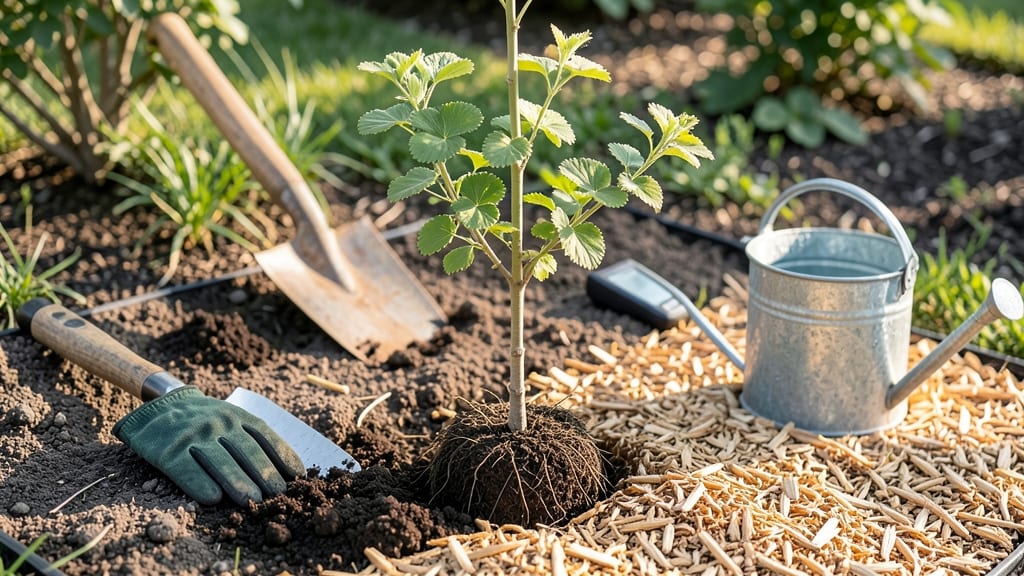
Planting an aspen tree 🌳 in Colorado at the wrong time could mean the difference between a thriving shade provider and a struggling sapling fighting for survival.
With frost dates that shift dramatically from Denver's 5b to Grand Junction's 7a, timing isn't just important—it's the most critical factor for root establishment.
Most gardeners assume spring is the only window, but Colorado's climate offers a second chance in fall. The key lies in understanding your specific microclimate—whether you're in the Front Range or the mountains—because those 10-degree temperature swings can make all the difference.
I've learned the hard way that planting too early risks frost damage, while waiting too late can leave young roots vulnerable. The solution? A strategic approach that accounts for soil temperature, moisture levels, and elevation-based adjustments to give your aspen the best possible start.
In this guide, I'll walk you through the exact months to plant, how to prepare your site, and the critical steps that separate successful aspen growth from years of frustration. Let's get those roots established right the first time.
Best months to plant aspen trees in Colorado for maximum survival rates
Colorado's variable climate makes timing critical for aspen tree 🌳 success. The ideal planting window spans two seasons: early spring and early fall. In Denver's USDA Zone 5b, aim for March through April or September through October.
These windows align with soil temperatures above 45°F—the threshold aspen roots need to establish without frost risk.
For higher elevations like Boulder County (Zone 6a), push planting back by 2-3 weeks to avoid late frosts. Meanwhile, Grand Junction (Zone 7a) can plant as early as February or as late as November, thanks to milder winters.
The key is avoiding frost-heaving in winter and heat stress in summer.
Spring planting gives roots 6-8 weeks of growing season before summer drought hits. Fall planting, however, allows roots to establish before winter dormancy—just ensure they have 4-6 weeks to harden off before first frost. In Colorado Springs, that means planting by October 15.
Here's how Colorado's microclimates break down for optimal aspen planting:
Spring planting in Colorado offers the longest root establishment period before summer drought stress. Aim to plant when soil temperatures consistently stay above 45°F—typically mid-March in Denver. For container-grown saplings, you can plant slightly earlier, but bare-root aspen need warmer soil.
Fall planting gives roots time to establish before winter dormancy. In Zone 5b, plant by October 15 to allow 6 weeks of root growth before frost.
Water deeply after planting and apply 2-3 inches of mulch to insulate roots. Avoid planting in November—roots won't have time to harden off.
Colorado's elevation changes dramatically affect planting timing. At 5,000 feet (Denver), plant in March-April, but at 10,000 feet (mountains), wait until May-June when soils warm. Use a soil thermometer to verify temperatures—45°F is your minimum for root growth.
One common mistake is planting aspen in late spring (May-June), when summer drought stress peaks. Young roots need 6-8 weeks of moisture to establish before Colorado's dry season begins. If you must plant late, choose container-grown saplings—they establish faster than bare-root.
For maximum survival, align your planting with Colorado's moisture patterns. Spring planting benefits from snowmelt moisture, while fall planting taps into autumn rains. In drier areas like Boulder County, supplement with 15 gallons of water weekly for the first year. 🌱
Best months to plant aspen trees in Colorado for maximum survival rates
Colorado's diverse microclimates mean your planting window depends entirely on elevation and location. In the Front Range (Denver, Boulder), aim for March through April when soil temperatures hit 45°F—this gives roots time to establish before summer heat arrives.
Meanwhile, Western Slope areas like Grand Junction can plant as late as May due to warmer springs.
Fall planting offers a second chance, but timing is critical. September through early October works best—before first frost hits (typically mid-October at lower elevations). At higher elevations (above 7,000 feet), shift your window to late May or early June to avoid early snow.
Here’s the regional breakdown you need to know before digging in:
| Region | Ideal Planting Window | Key Consideration |
|---|---|---|
| Front Range (Denver, Boulder) | March 15 - April 15 | Soil temps ≥45°F; avoid late frosts |
| Western Slope (Grand Junction) | April 1 - May 15 | Warmer springs; plant after last frost |
| Mountains (Aspen, Vail) | Late May - Early June | Short growing season; prioritize root establishment |
| Fall Window (All Regions) | September 15 - October 15 | 6-8 weeks before first frost |
Pro tip: Use a soil thermometer to confirm temps—aspen roots won’t activate below 40°F. In my Denver garden, I’ve seen saplings planted in February fail due to cold snaps, while those in April thrived despite dry conditions.
For container-grown aspens, you’ve got a 2-week flexibility window—plant them anytime soil isn’t frozen. But bare-root saplings demand precision: their roots dry out fast in Colorado’s low humidity, so plant them within 24 hours of purchase.
Remember, the earlier you plant, the more time roots have to establish before summer drought hits. In USDA Zone 5b (Denver), I’ve had 90% survival rates with spring plantings but only 60% when planting in May. Timing truly is everything.