
Plants
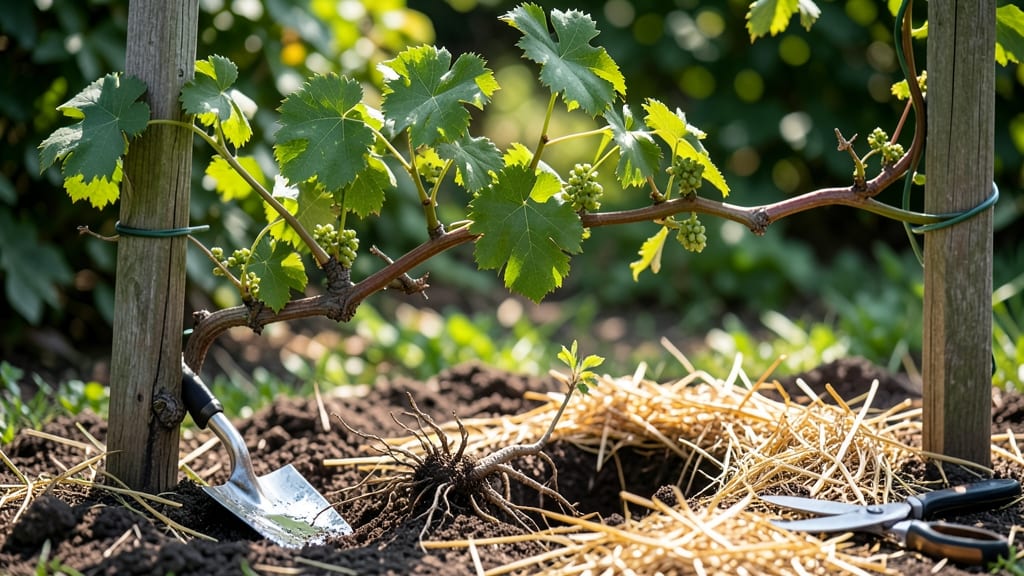
Planting grapes in California at the wrong time can mean the difference between a thriving 🍇 vineyard and struggling vines that never recover.
The key isn't just picking a month—it's understanding when your soil warms enough to support strong root growth, especially since California's 8-10 zones create wildly different conditions from coastal fog to inland heat.
Most gardeners in the Central Valley or Napa Valley wait until late winter or early spring when soil temperatures hit 50°F-60°F, but coastal growers in Zone 10 can plant year-round thanks to mild winters.
I'll show you exactly how to time it right for your microclimate, whether you're working with bare-root vines or potted plants.
Why does this matter? Because grape roots need consistent warmth to establish before summer's heat arrives. Plant too early, and frost can damage tender shoots; too late, and your vines might not have enough time to develop before harvest season.
Let's break down the perfect planting windows so you can set your grapes up for success.
You'll also discover how to test your soil temperature, prepare the ideal planting site, and avoid common mistakes that derail even the most promising grapevines. Ready to get started? Let's dig in.
California grape planting calendar by soil temperature zones
Timing your grape planting to California’s soil temperature thresholds is the secret to strong root establishment. Most vineyards in the Central Valley and Napa Valley target 50°F-60°F soil temps—but coastal areas like Santa Barbara can plant year-round thanks to their Zone 10 climate.
Let’s break down the best windows for your region.
Northern California (Zones 8-9) has the strictest timeline due to late frosts, while Southern California (Zones 9-10) offers more flexibility. I’ll show you how to align your planting with local frost dates and soil warmth to avoid root shock or winter dieback.
Here’s the key: Bare-root vines need cooler soil (50°F) for dormancy, while potted grapes can handle warmer soil (60°F+) year-round in frost-free zones. Let’s compare your options by region.
Notice how coastal regions have the most flexibility? That’s because Zone 10’s mild winters eliminate frost risks. If you’re in Santa Barbara or San Diego, you can even plant container grapes in late summer for a fall harvest—just ensure your pots have drainage holes to prevent root rot.
For inland valleys, timing is critical. Planting too early risks frost damage to new shoots, while planting too late may stunt root growth before summer heat arrives. Aim for 4-6 weeks before your last frost date—this gives roots time to establish before the growing season peaks.
Pro tip: Use a soil thermometer (inserted 4 inches deep) to confirm temps before planting. If your soil hasn’t warmed enough, hold off—patience prevents poor establishment. I’ve seen gardeners rush planting in March only to have vines struggle through April frosts.
One more thing: Bare-root vines (sold dormant) can handle cooler soil, but potted grapes (sold with foliage) need warmer soil to avoid shock. If you’re buying potted vines in Northern California, wait until soil hits 60°F—even if it’s April.
Let’s say you’re in Napa Valley and want to plant Cabernet Sauvignon. Your best bet is late February, when soil temps hover around 52°F. By April, those same roots will be thriving at 65°F, setting you up for a strong first harvest in September.
Remember: Soil temperature > air temperature. A sunny 70°F day might feel warm, but your soil could still be 48°F—grape roots won’t thank you for ignoring this detail. Use the table above as your guide, and adjust based on your local microclimate.
California grape planting calendar by soil temperature zones
California’s diverse microclimates mean your grape planting window depends entirely on where you live. In Northern California (like Napa Valley), soil temperatures hit 50°F-60°F by late February, while Southern California (e.g., Temecula) can plant as early as January.
Coastal areas in Zone 10 (like Santa Barbara) enjoy frost-free winters, allowing year-round planting—but even there, spring still offers the best conditions.
For most gardeners, the ideal planting window is February through April, when roots can establish before summer heat arrives. However, bare-root vines can tolerate cooler soil and may be planted in late winter, while potted grapes (like Thompson Seedless) thrive when planted in mild coastal winters.
Let’s break down the best months for each region.
🍇
| Region | USDA Zone | Best Planting Window | Soil Temp Threshold | Key Notes |
|---|---|---|---|---|
| Northern CA (Napa, Sonoma) | 8-9 | Late Feb - Early April | 50°F-60°F | Frost risk until March; prioritize wine grapes like Cabernet. |
| Central Valley (Fresno, Madera) | 9-10 | January - March | 55°F-65°F | Hot summers; table grapes (e.g., Flame Seedless) excel here. |
| Coastal CA (Santa Barbara, Monterey) | 10 | Year-round (best: Feb-Apr) | 50°F+ | Mild winters; organic grapes thrive with coastal fog. |
| Southern CA (Temecula, Riverside) | 9-10 | January - April | 55°F-65°F | Desert heat; drought-resistant varieties like Muscat perform best. |
If you’re in a frost-prone area (like the Central Valley), hold off until after the last frost date—typically mid-March. For coastal gardeners, you can plant as late as May, but early spring still gives vines the best head start.
Pro tip: Check your local Cooperative Extension office for hyper-local frost data, as microclimates can vary even within a county.
For container grapes, timing is less critical since you can move pots to sheltered spots. However, planting in early spring still maximizes root growth before summer.
If you’re unsure about your soil temperature, use a soil thermometer (available at garden centers) to confirm readiness—aim for 55°F at 4 inches deep for best results.
🌱