
Plants
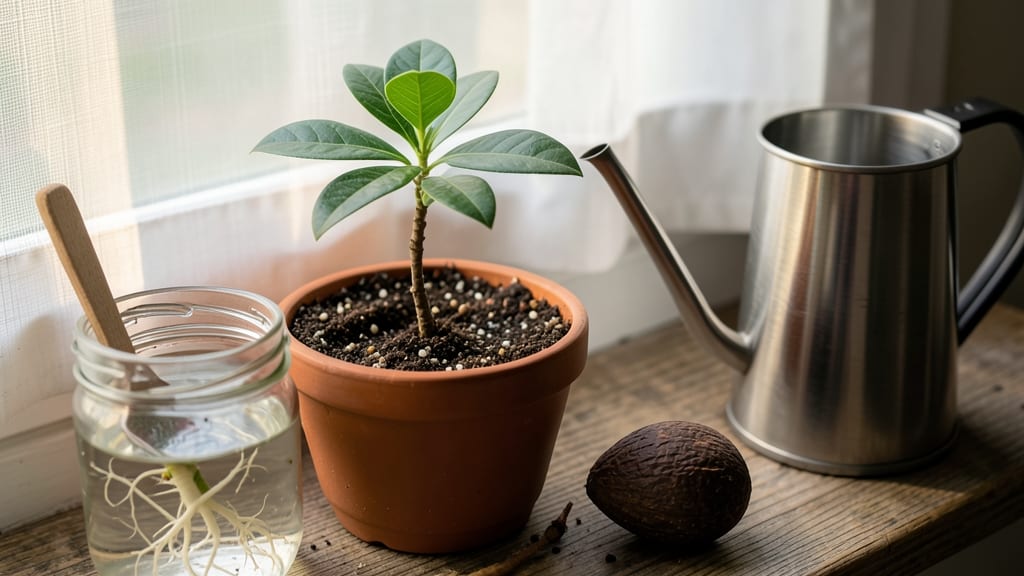
Planting an avocado pit in soil at the wrong time can leave you staring at a stubborn, dry pit for months—if not years. The secret to faster germination lies in stratifying your pit first, then planting it when conditions are just right for your climate.
If you’ve ever wondered why some avocado pits sprout within weeks while others never break through, timing is the key. Whether you’re starting indoors in spring or outdoors in warmer zones, soil temperature and moisture levels play a bigger role than most gardeners realize.
I’ll walk you through the exact window to plant your 🥑 pit for the best chance of success, plus how to prep it ahead of time. Skip the guesswork and learn how to turn that pit into a thriving seedling in no time.
From indoor starters to outdoor transplants, we’ll cover what works in your USDA zone—and why waiting too long could mean waiting forever. Let’s get that avocado growing!
Best time of year to plant avocado pits for successful germination
Timing your avocado pit planting is the key to avoiding months of frustration. Avocado seeds thrive in warm soil temperatures between 70°F and 85°F—too cold, and germination stalls; too hot, and the pit dries out.
For most home gardeners in the U.S., late winter to early spring (February–April) is ideal, but tropical climates can start as early as January.
Indoor growers have more flexibility since they control temperature. If you're starting your pit inside, anytime is fine, but aim for spring planting outdoors to match your seedling's growth with warmer months. The goal? A 6–8 week head start before the last frost date in your area.
Here’s the critical rule: Never plant avocado pits outdoors before soil warms to at least 60°F. Cold soil triggers rot, not roots. Use a soil thermometer to check—if it’s below 60°F, wait or start indoors.
Climate matters too. In USDA Zones 9–11 (tropical/subtropical), you can plant year-round, but spring remains best for faster growth. In Zones 7–8, stick to April–May after frost risk passes. Gardeners in Zones 3–6 should plant indoors in winter and transplant outdoors in late spring.
Pro tip: If you’re in a cooler climate, stratify your pit (mimic natural conditions) for 4–8 weeks before planting. This jumpstarts germination, ensuring your seedling is ready for outdoor transplanting when temperatures rise.
For indoor starters, February–March is perfect—your seedling will have 4–6 months of indoor growth before needing outdoor conditions. Place your pit in a sunny window (south-facing) or under grow lights to simulate spring warmth.
Outdoor planters in containers can go in April once nighttime temps stay above 50°F. Harden off seedlings by moving them outside for 2–3 hours daily before full transplant. This gradual shift prevents shock.
Watch for yellowing leaves or stunted growth—signs your seedling is struggling with temperature stress. Adjust by moving pots to a warmer, sunnier spot or adding a mini greenhouse for cooler nights.
Remember: Patience is key. Avocado pits can take 2–8 weeks to sprout, depending on conditions. The earlier you plant in the right window, the faster you’ll see those first green shoots emerge.
Best time of year to plant avocado pits for successful germination
Timing your avocado pit planting is the secret to beating the 3-6 month germination wait. Unlike most seeds, avocado pits need warmth and moisture to break dormancy—but planting too early in cold soil or too late in scorching heat can kill your chances.
The ideal window balances soil temperature (above 60°F/15°C) with consistent moisture, which varies by climate zone.
For USDA Zones 9-11 (tropical/subtropical), your best bet is late winter to early spring (February-April). In Zones 7-8, aim for April-May when nighttime temps stay above 50°F/10°C. Northern gardeners (Zones 5-6) should wait until May-June to avoid frost damage to tender seedlings.
🌱
| Climate Zone | Best Planting Month | Soil Temp Requirement | Indoor vs Outdoor |
|---|---|---|---|
| Zones 9-11 (Tropical) | February-April | 60°F+ (15°C+) | Direct outdoor |
| Zones 7-8 (Temperate) | April-May | 65°F+ (18°C+) | Start indoors, transplant May |
| Zones 5-6 (Cold) | May-June | 70°F+ (21°C+) | Indoor start, wait until after last frost |
Indoor planting offers year-round flexibility but requires grow lights to mimic 12+ hours of daylight. If you start indoors in winter (Dec-Feb), your seedling will be ready for outdoor transplanting by late spring.
Just avoid planting outdoors before your last frost date—avocado seedlings are frost-sensitive and will die if exposed to temps below 32°F/0°C.
Another critical factor is moisture consistency. Avocado pits need constant dampness during germination, which is harder to maintain in summer's dry heat or winter's cold. That’s why spring planting often yields the fastest results—mild temps + steady rain create perfect conditions.
For container growing, late spring to early summer (June-July) works well since you can move pots to shade if needed.
💧
One common mistake is assuming all avocado pits germinate the same way. Mexican varieties (like Hass) often sprout faster than West Indian types—plan accordingly. If you’re in a drought-prone area, prioritize spring planting when natural rainfall is most reliable.
And remember: patience is key. Even with perfect timing, germination can take 4-8 weeks—don’t give up if nothing happens in 3 weeks.