
Plants
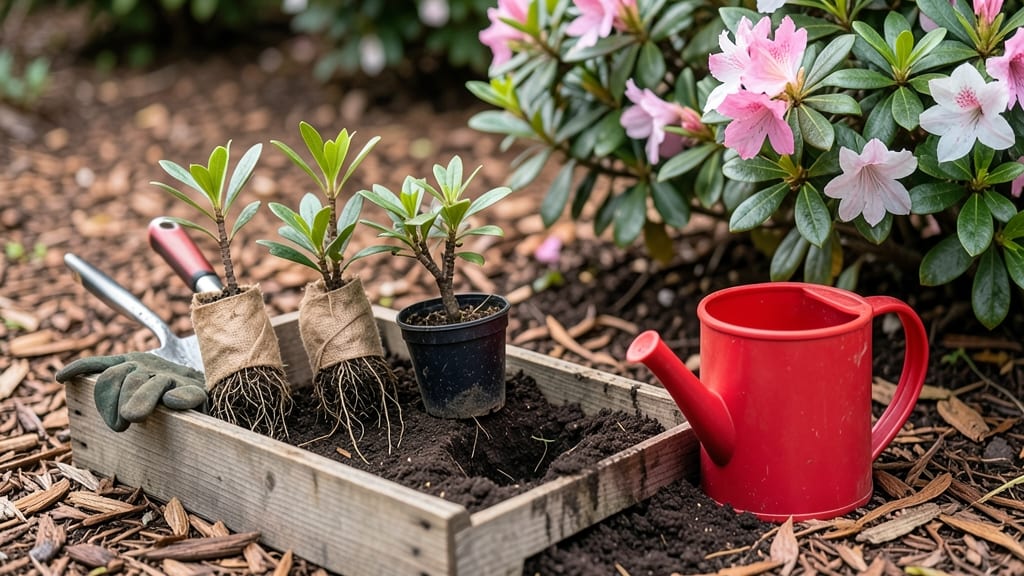
Planting azaleas in Florida isn't just about grabbing a 🌸 and sticking it in the ground—it’s about matching your variety to the right chill hours and timing it perfectly to avoid transplant shock or summer stress.
With Florida’s frost-free zones ranging from 8a to 11, the wrong timing could mean your azaleas struggle to bloom—or worse, fail entirely. The key is planting during the fall window (October–November) or early spring (February–March), when cooler temps and natural rainfall help roots establish before summer’s heat hits.
But here’s the catch: Southern Highbush azaleas thrive in zero-frost zones like Miami, while Kurume types need a little more chill in Central Florida. I’ll break down the best varieties for your region and how to prep soil, water, and mulch for zero transplant shock.
Ready to grow azaleas that burst with color year after year? Let’s dive into the exact steps to time your planting like a pro—no guesswork, just guaranteed blooms.
Florida azalea planting zones by chill-hours: matching varieties to your region
Florida’s unique chill-hour zones (500–1,500 hours) determine which azalea varieties will thrive in your yard. Unlike northern climates, Florida’s zero-frost zones (like Miami) require low-chill azaleas, while transitional areas (Orlando, Tampa) can handle moderate-chill types. Choosing the wrong variety risks leaf scorch or poor blooming.
Southern Highbush azaleas (e.g., ‘Southern Indica’) need just 150–300 chill hours, making them perfect for South Florida (Zones 10–11). In contrast, Kurume azaleas (like ‘Kurasawa’) tolerate 500–700 chill hours, ideal for Central Florida (Zones 9–10).
Northern Florida (Zones 8–9) can handle Evergreen azaleas with 700–1,000 chill hours.
Here’s how to match your local chill hours to the best azalea types:
| Region | Chill-Hour Range | Best Azalea Varieties | Key Notes |
|---|---|---|---|
| South Florida (Miami, Key West) | 150–300 hours | Southern Indica, ‘Amabilis’, ‘Southern Belle’ | Zero frost risk; avoid high-chill types. |
| Central Florida (Orlando, Tampa) | 300–700 hours | Kurume (e.g., ‘Kurasawa’), Satsuki | Light frost possible; mulch heavily in winter. |
| North Florida (Jacksonville, Gainesville) | 700–1,000 hours | Evergreen (e.g., ‘Formosa’, ‘Hino Crimson’) | Occasional frost; plant near structures for wind protection. |
For zero-frost zones, prioritize Southern Highbush azaleas—they bloom reliably year-round. In transitional zones (like Orlando), Kurume azaleas offer stunning spring blooms if planted in well-draining, acidic soil (pH 4.5–6.0). Northern Florida gardeners should opt for Evergreen types and protect them with burlap wraps during rare cold snaps.
Pro tip: Use a chill-hour calculator (like the one from the University of Florida IFAS Extension) to pinpoint your exact chill hours. This avoids costly mistakes like planting high-chill azaleas in Miami, where they’ll struggle to bloom.
Azaleas in South Florida (e.g., Miami) often bloom twice a year—spring and fall—thanks to mild winters.
In Central Florida, they typically bloom once in spring, while Northern Florida varieties may bloom spring and fall if chill hours are met. Evergreen azaleas in North Florida can even handle light frosts if mulched properly.
If you’re unsure about your local chill hours, start with Southern Indica azaleas—they’re the most Florida-adaptable and forgiving for beginners. For bold colors, try Kurume azaleas in Central Florida, but plant them in partial shade to prevent leaf scorch from afternoon sun.
🌸
Optimal planting windows for Florida azaleas: month-by-month guide
Timing your azalea planting in Florida is all about avoiding the brutal summer heat and hurricane season. The ideal windows are October–November (fall) or February–March (early spring), when temps hover between 60–75°F and natural rainfall boosts root growth.
These months give your azaleas 6–8 weeks to establish roots before summer stress hits.
For bare-root azaleas, fall planting is best—roots can spread in cool soil without competing with summer heat. Container-grown azaleas, however, can handle spring planting (February–March) as long as you water deeply afterward.
Just avoid planting during peak hurricane season (June–September), when heavy rains can drown roots or storms uproot young shrubs.
Here’s my month-by-month breakdown for stress-free planting, including soil prep and watering tips tailored to Florida’s climate:
Test soil pH (4.5–6.0) and amend with peat moss or sulfur. Mulch beds with 3–4 inches of pine bark to retain moisture for early fall planting.
Plant bare-root or container azaleas in morning shade to avoid transplant shock. Water deeply 2x/week until roots establish (4–6 weeks).
Best for container-grown azaleas. Prune dead blooms immediately to redirect energy to root growth. Use shade cloth (30%) if temps exceed 80°F.
High heat (90°F+) and hurricane risks make planting high-risk. If you must, use container-grown azaleas with drip irrigation and afternoon shade.
Possible in North/Central FL (zones 8a–9a), but frost risks (rare but possible) in January. Choose Southern Highbush varieties and mulch heavily.
Pro tip: Florida’s monsoon season (May–October) can work to your advantage—use it to your benefit by scheduling deep waterings every 3–5 days instead of daily shallow watering. This encourages deep root growth, which azaleas need to survive Florida’s summer droughts.
After planting, monitor for transplant shock signs like yellowing leaves or wilting. If you see these, trim 1/3 of the foliage to reduce water loss and keep the soil consistently moist (not soggy).
With the right timing, your azaleas will reward you with vibrant blooms next spring—no matter where you are in Florida.
🌸