
Trees
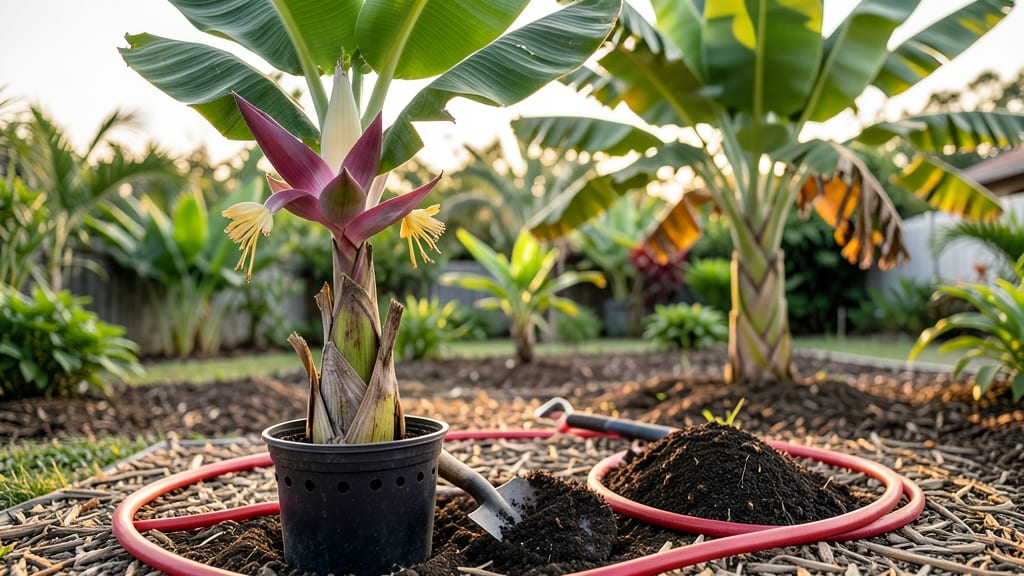
Planting a banana tree 🍌 in Florida isn’t just about having the right soil—it’s about timing it just right to unlock year-round growth and bountiful harvests. Since Florida’s frost-free climate means you can plant almost anytime, most gardeners assume any month works, but that’s where they go wrong.
The sweet spot for banana trees in Florida is actually during those warm, humid months when the soil is already cozy and the days are long.
That means starting in late spring or early summer, when temperatures consistently stay above 70°F and the risk of sudden cold snaps (yes, they can happen in North Florida) is nearly zero.
Why does timing matter so much? Because banana trees are tropical divas—they thrive when they can focus all their energy on growing roots and leaves instead of struggling through cooler transitions.
Whether you’re planting in the ground or a container, getting this right means faster establishment, bigger yields, and fewer headaches down the road.
In this guide, I’ll break down the exact months to plant for your Florida region, how to prep your soil like a pro, and the one critical mistake that kills more banana trees than anything else. Let’s get those tropical roots growing strong!
Best planting months for banana trees in Florida’s frost-free zones
Florida’s frost-free climate means you can plant banana trees almost year-round—but timing still matters. The best window is from January through May, when soil temperatures stay above 65°F (18°C) and humidity levels are ideal for root establishment.
This 3-month period aligns with Florida’s natural growing season, giving your banana tree a head start before summer’s intense heat.
North Florida (Zones 8a-9a) has slightly cooler winters, so March through April is ideal here to avoid any rare cold snaps. Meanwhile, South Florida (Zones 10a-11) can plant as early as January, thanks to its consistently warm temperatures.
Even in winter, soil rarely drops below 60°F (15°C), making it safe for planting.
🌱
| Region | Best Planting Window | Soil Temp Threshold | Key Consideration |
|---|---|---|---|
| North Florida (Zones 8a-9a) | March–April | 65°F+ (18°C+) | Avoid rare winter cold snaps |
| Central Florida (Zones 9b-10a) | January–May | 60°F+ (15°C+) | Balanced humidity and warmth |
| South Florida (Zones 10b-11) | Year-round (best Jan–May) | 55°F+ (13°C+) | Consistent tropical conditions |
If you plant outside this window, your banana tree may struggle with slow root growth or heat stress during Florida’s summer. For example, planting in June or July is possible, but young trees need extra shade and water to prevent wilting.
Always check your local microclimate—coastal areas stay warmer longer than inland spots.
Another critical factor is rainfall patterns. Florida’s rainy season (June–September) can lead to waterlogged soil, which banana trees hate. If planting in summer, choose a spot with well-draining soil or a raised bed to prevent root rot.
I’ve seen banana trees planted in August thrive when given these adjustments, but they require weekly monitoring.
For container-grown banana trees, timing is even more flexible since you can move pots to shadier or sunnier spots as needed. However, spring planting (March–May) still gives the best results because the tree can establish roots before Florida’s 90°F+ (32°C+) summer heat sets in.
I recommend starting with 6-inch pots in spring and transplanting to the ground by June.
One common mistake is waiting until summer’s peak to plant, assuming the heat won’t bother the tree. But banana trees planted in July or August often suffer from transplant shock and pest pressure due to Florida’s high humidity and insect activity.
If you must plant late, harden off your tree for 2 weeks by gradually exposing it to outdoor conditions.
🌿
Pro tip: Use a soil thermometer to confirm your soil is warm enough before planting. Banana trees need soil temps above 65°F (18°C) to thrive. If your soil is cooler, wait a few weeks or plant in a black plastic pot to warm the roots faster.
I’ve used this trick in North Florida to plant successfully in early March when soil temps were borderline.
Finally, consider your banana tree’s variety. Dwarf varieties like ‘Dwarf Cavendish’ adapt better to cooler Florida winters than ‘Red Dacca’, which thrives in South Florida’s heat. Always match your planting time to the specific needs of your chosen variety for the best results.
How to prepare Florida soil for banana trees before planting
Banana trees thrive in Florida’s sandy soil—but only if you amend it properly first. Native Florida soil often lacks the organic matter and drainage these tropical giants need. Without prep, your banana tree will struggle with root rot or nutrient starvation.
The key? Mimic their natural rainforest habitat with well-draining, slightly acidic soil rich in compost.
Start by testing your soil’s pH level (aim for 5.5–7.0). Florida’s alkaline soils often need sulfur-based amendments to lower pH naturally. Mix in 3–4 inches of compost or aged manure into the top 12 inches of soil.
For container planting, use a 50/50 blend of potting mix and coconut coir to retain moisture while preventing compaction.
🌱 Banana Tree Soil Prep Checklist
- Test soil pH (ideal: 5.5–7.0)
- Add 3–4" compost to top 12" of soil
- Mix in perlite (20%) for drainage
- Avoid peat moss (Florida’s heat depletes it fast)
- Mulch heavily (3–4" wood chips) to retain moisture
For in-ground planting, dig a hole twice as wide as the root ball but only as deep—banana trees hate soggy roots. If your yard has clay-heavy patches, blend in coarse sand or expanded shale to improve aeration.
Pro tip: Plant on a slight mound (6–12 inches high) to prevent water pooling during Florida’s heavy rains.
Banana trees also love phosphorus and potassium for root growth and fruiting. Work in a balanced fertilizer (6-6-6 or 8-3-9) at planting time, then feed lightly every 6–8 weeks during growing seasons. Avoid high-nitrogen fertilizers—they promote leafy growth at the expense of fruit production.
One common mistake? Overlooking drainage layers. Even in Florida’s wet climate, banana trees cannot tolerate waterlogged roots. If your yard has poor drainage, create a raised bed or plant in a large container with drainage holes.
For containers, use a mix with 30% perlite or vermiculite to keep roots oxygenated.
Finally, mulch like a pro. Apply a 3–4 inch layer of wood chips or straw around the base (but keep it 6 inches away from the trunk to prevent rot).
Mulch locks in moisture, regulates soil temperature, and suppresses weeds—critical in Florida’s humid summers. Replenish mulch every 3–4 months to maintain effectiveness.