
Plants
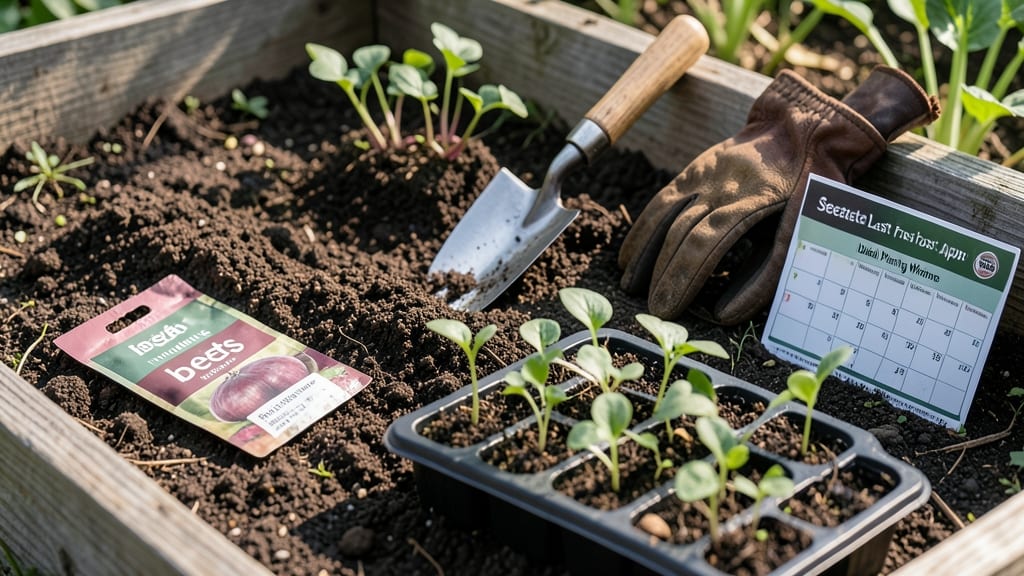
Timing your beet planting in Seattle isn’t just about following a calendar—it’s about outsmarting the region’s unpredictable spring rains and late frosts that can turn your garden dreams into soggy disappointments.
The key? Planting when soil temperatures hit 40°F and the last frost has faded from memory, which typically lands in late March to early April for most of the city.
But here’s the secret: Seattle’s microclimates mean your neighbor’s perfect harvest might not match yours. Coastal areas like the U-District warm up faster, while inland spots near Bellevue can linger in chill longer.
That’s why succession planting in late August becomes your best friend—extending your harvest window well into October when cooler temps return.
If you’ve ever pulled up woody, bitter beets only to wonder, “What went wrong?” you’re not alone. The solution? Choose fast-maturing varieties like Detroit Dark Red for spring and heat-tolerant types for summer, while mulching heavily to keep roots cool and sweet.
Let me show you exactly how to sync your planting schedule with Seattle’s quirks for a garden full of tender, vibrant 🍠 beets all season.
Ready to ditch the guesswork? I’ll walk you through the exact frost dates, soil prep tricks, and variety picks that’ll have you harvesting beets from June through November—no more wasted seeds or bitter surprises. Let’s get growing the right way.
Seattle’s ideal beet planting windows: frost dates & soil temperatures
Seattle’s USDA Zone 8a climate creates a dual-planting opportunity for beets—spring and fall—with microclimate variations that can shift ideal timing by weeks. The Puget Sound stays warmer longer than inland areas, while the South Sound may experience earlier frosts.
Understanding these nuances ensures your beets thrive from April through October.
For spring plantings, aim for mid-March to early April once soil temperatures consistently reach 40°F. This aligns with Seattle’s average last frost date of March 15, though urban heat islands (like downtown) may warm 1-2 weeks earlier.
In cooler zones (like Snoqualmie Pass), wait until late April to avoid frost damage.
Soil temperature is your best indicator—use a soil thermometer to confirm readiness. Beets germinate best in 50-70°F soil, and planting too early (when soil is below 45°F) risks rot or poor germination. In Seattle’s wet springs, prioritize well-draining soil or raised beds to prevent waterlogged seeds.
🌱
| Season | Planting Window | Soil Temp Requirement | Frost Risk | Microclimate Notes |
|---|---|---|---|---|
| Spring | Mid-March to early April | 40–50°F minimum | High (until mid-April) | Puget Sound: 1 week earlier; inland: wait until late April |
| Fall | Late August to mid-September | 50–60°F ideal | Low (until November) | South Sound: plant by August 15; North Seattle: extend to September 15 |
| Succession | Every 2–3 weeks (April–July) | 45–65°F | Moderate (varies) | Stagger plantings to avoid bolting in summer heat |
Fall plantings offer a second harvest window from October to November, but timing is critical. Seedlings need 60 days to mature before the first frost (November 15), so start no later than mid-September. Use row covers to extend the season if late frosts threaten.
Seattle’s variable rainfall also impacts planting. After sowing, keep soil consistently moist (but not soggy) to prevent bolt formation or fungal diseases. A 1-inch layer of straw mulch helps retain moisture and regulate soil temperature, especially in cool, rainy springs.
For container gardening, adjust timing by 1–2 weeks earlier—pots warm up faster in sun. Choose 5-gallon containers minimum to accommodate beet roots, and use lightweight potting mix to prevent waterlogging during Seattle’s frequent downpours.
Pro tip: Mark your calendar for April 15 and September 1 as your ideal planting deadlines. These dates align with Seattle’s 165 frost-free days and ensure you maximize your harvest before summer heat or winter cold sets in.
☀️
Seattle’s ideal beet planting windows: frost dates & soil temperatures
Seattle’s USDA Zone 8a climate gives you two prime windows for planting beets: early spring and late summer. The key is timing seeds when soil temperatures hit 40°F or warmer—cold soil delays germination, while heat above 80°F makes beets taste woody.
Let’s break down the exact dates and microclimate adjustments for your neighborhood.
For spring plantings, aim for mid-March to early April after the last frost date (typically March 15). In cooler areas like the U-District, wait until late March when soil warms consistently.
Southern Seattle (near Kent or Federal Way) can start 2 weeks earlier thanks to warmer microclimates.
📅 Seattle Beet Planting Timeline
| Season | Planting Window | Soil Temp | Notes |
|---|---|---|---|
| Spring | Mid-March to early April | 40°F+ | After last frost; use row covers if late frost risk |
| Fall | Late August to early September | 50°F+ | Harvest before first frost (Nov 15) |
💡 Pro Tip: Test soil with a thermometer—beets won’t sprout below 40°F!
Fall plantings work from late August to early September, giving roots time to mature before the first frost (November 15).
In Zone 8b areas (like Bainbridge Island), you can push fall planting to mid-September, but cover seedlings with lightweight row fabric if temps dip below 45°F at night.
Seattle’s Puget Sound influence means coastal areas (like West Seattle) stay cooler longer—wait until April 1 for spring plantings there. Inland spots (like Kenmore) can start 2 weeks earlier due to faster soil warming. Always check local frost dates from the National Weather Service for your exact neighborhood.
For succession planting, sow new seeds every 2 weeks from March to July. This ensures a steady supply of baby beets (1–2 inches) and larger roots (3+ inches) throughout the season. Just avoid planting after July 15—summer heat will make beets tough and fibrous.
Remember: Beets are frost-tolerant! You can even plant Chioggia varieties in October for a late harvest, as they’ll survive light frosts. Just mulch heavily to protect roots from freeze-thaw cycles, which can split tender skins.