
Plants
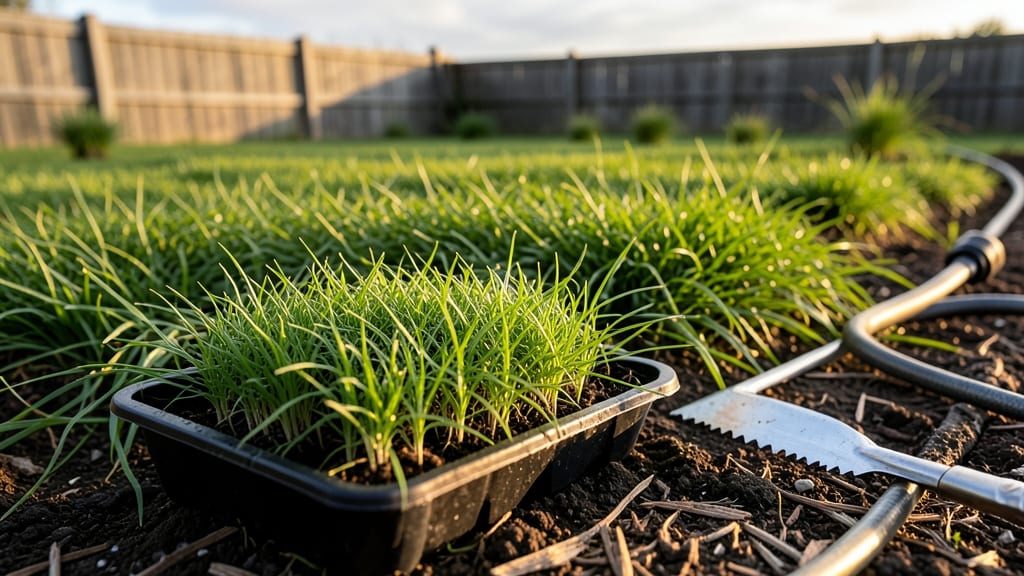
Planting Bermuda Grass 🌱 in Phoenix, AZ, at the wrong time means battling weak roots and stunted growth all summer long. The key to a thick, heat-resistant lawn lies in understanding the city’s unique climate—where scorching days and mild winters demand precise timing.
Most gardeners assume spring is the only window, but Phoenix’s 9b zone actually offers two prime opportunities: late winter when soil warms just enough, and late summer when temperatures ease back. I’ll show you exactly how to leverage these windows for a lawn that thrives year-round.
Let’s cut through the guesswork with actionable steps—from soil prep to watering schedules—that keep Bermuda Grass resilient through 110°F+ summers. Whether you’re starting from seed or laying sod, these insights will save you time, money, and frustration.
Ready to transform your yard into a lush, low-maintenance oasis? Here’s your step-by-step blueprint for success in Phoenix’s extreme heat.
Best planting months for Bermuda grass in Phoenix’s extreme climate
Phoenix’s 110°F+ summers and mild winters demand precise timing for Bermuda grass success. Unlike cooler climates, this drought-tolerant grass thrives when planted during two key windows: early spring and late summer. Missing these windows risks weak root systems before winter dormancy or heat stress during peak summer.
For Phoenix’s USDA Zone 9b, the ideal planting months are February through March and late August through September. These periods align with soil temperatures between 60-75°F, perfect for germination and establishment. Planting outside these windows forces your grass to battle extreme heat or cold, stunting growth.
Here’s why timing matters: Bermuda grass is a warm-season grass, meaning it needs consistent warmth to grow. Planting in April or later exposes young seedlings to 100°F+ soil temperatures, which can scorch them before roots develop.
Conversely, planting in October or November risks winter dormancy before roots establish, leaving gaps in your lawn.
🌱 Pro Tip: Check soil temperature with a soil thermometer—aim for 65°F+ at 4-inch depth before planting. Phoenix’s alkaline soil (pH 7.5-8.5) also needs adjustment, which we’ll cover in the next section.
If you’re overseeding (adding grass seed to an existing lawn), aim for late spring (April) when soil is warm but not scorching. This gives seedlings a 6-8 week growing window before summer heat peaks. For sod installation, late summer is ideal—roots establish before winter dormancy.
Phoenix’s alkaline soil (pH 7.5-8.5) is another hurdle. Bermuda grass prefers 6.0-7.5 pH, so testing and amending soil before planting is critical. We’ll dive into soil prep in the next section, including how to lower pH naturally without harming your lawn’s drought tolerance.
💧 Watering Warning: After planting, water deeply 2-3 times per week (1-1.5 inches per session) to encourage root growth. Shallow watering leads to weak, shallow roots that can’t handle Phoenix’s heat. Use a soaker hose to avoid runoff on hardpan soil.
For fastest results, consider sod over seeding—it establishes in 2-3 weeks vs. 6-8 weeks for seed. However, sod requires consistent moisture for the first 30 days, which can be challenging in Phoenix’s triple-digit heat. We’ll compare methods in detail later.
🌡️ Heat Tolerance Tip: Once established, Bermuda grass can handle 100°F+ temps, but young grass needs protection. Use shade cloth (30%) for the first 2 weeks post-planting to reduce stress. Remove it gradually as roots strengthen.
Best planting months for Bermuda grass in Phoenix’s extreme climate
Phoenix’s 110°F+ summers and warm winters demand precise timing for Bermuda grass success. Plant too early, and roots struggle before summer heat; too late, and winter dormancy weakens growth. The ideal window is late February to early April, when soil warms to 60–75°F—perfect for germination.
Bermuda grass is a warm-season grass, meaning it thrives in heat but needs consistent soil temperatures to establish roots.
In Phoenix, March is the sweet spot: cool enough for root development but warm enough to avoid stress. Avoid planting after May, as summer’s intensity can overwhelm young seedlings.
Here’s why timing matters: Bermuda grass goes dormant in winter, and planting too close to dormancy (like November–January) forces it to waste energy growing in cold soil, leading to weak, patchy lawns. The 60–75°F soil threshold is critical—use a soil thermometer to check before planting.
| Planting Window | Soil Temp (°F) | Pros | Cons |
|---|---|---|---|
| Late February–Early April | 60–75°F | Strong root growth, avoids summer stress | Requires patience for full establishment |
| May–June | 80–95°F | Faster germination in heat | High evaporation; needs frequent watering |
| November–January | Below 60°F | Avoids summer heat | Weak growth; may not recover before summer |
For fastest results, aim for late February–March. If you miss this window, late summer (August–September) is a secondary option—just be prepared for intense watering needs as temperatures remain high. Test soil moisture daily during these months to prevent drought stress.
Phoenix’s alkaline soil (pH 7.5–8.5) can stunt Bermuda grass if not adjusted. Lower pH to 6.0–7.0 before planting using sulfur or peat moss. This step is non-negotiable—poor soil prep = poor growth, no matter the timing.
Once planted, water deeply 2–3x weekly for the first 4–6 weeks to encourage root depth. Avoid overhead sprinklers, which waste water—use drip irrigation or soaker hoses instead. With the right timing and care, your Bermuda grass will outperform weeds by summer.
Pro tip: Mow high (1–1.5 inches) once established to shade roots and retain moisture—critical in Phoenix’s 100°F+ afternoons. 🌱