
Plants
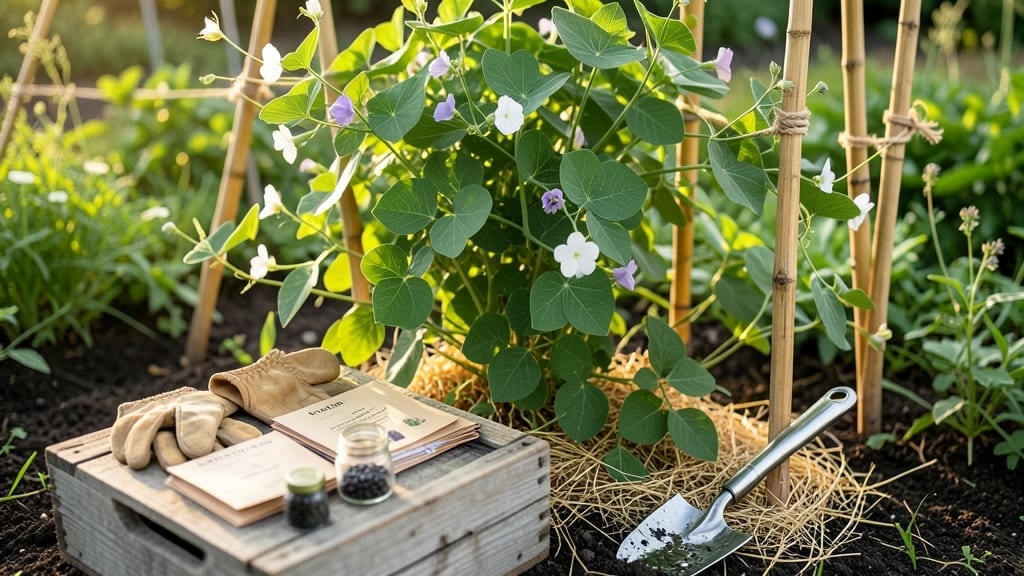
Planting black-eyed peas in Texas isn’t just about dropping seeds in the dirt—it’s about mastering the perfect timing to beat the brutal heat and ensure a bountiful harvest.
These heat-loving legumes 🌱 can bolt faster than you can say "summer storm," so knowing when to plant them in your specific Texas region is the key to success.
Whether you're in North Texas with its cooler winters or South Texas where the sun never quits, getting the timing right means the difference between a thriving garden and a sad, wilted disappointment.
I’ll walk you through the exact months to plant for both spring and fall harvests, plus the heat-tolerant varieties that won’t give up when the thermometer climbs.
You’ll discover how to work with Texas’s unique climate zones—from the last frost dates in February to the early September window for fall planting—so you can enjoy fresh pods from May to December.
No more guessing games, just proven strategies to keep your black-eyed peas happy and productive all season long.
Ready to grow black-eyed peas that actually thrive in Texas heat? Let’s dive into the exact planting schedule, soil prep secrets, and companion plants that’ll make your harvest the envy of every gardener in the Lone Star State.
Best months to plant black eyed peas in Texas by region
Texas’s diverse climate means your black-eyed pea planting schedule depends heavily on your region. North Texas gardeners face cooler winters, while South Texas deals with brutal summer heat.
The key is planting when soil temperatures hit 60°F—too early, and your peas bolt; too late, and you risk stunted growth from extreme heat. Let’s break it down by region to maximize your harvest.
For North Texas (USDA Zones 7b-8a), aim for late February to early March for spring plantings. This gives your peas time to mature before summer’s relentless heat. Fall plantings should happen late August to early September, ensuring pods ripen before the first frost—typically around December 1.
In Central Texas (Zones 8a-9a), shift your spring window to mid-March to avoid early heat stress, and plant fall crops by mid-August.
South Texas (Zones 9a-10b) gardeners have the most flexibility. You can plant year-round with minimal frost risk, but the sweet spot is September to October for fall harvests and January to February for spring. Just ensure your soil stays consistently moist during the 100°F+ summers to prevent bolting.
Here’s a quick reference for your region’s last frost dates and ideal planting windows:
Pro tip: Use a soil thermometer to confirm temperatures before planting. Black-eyed peas thrive in 60-75°F soil, but temperatures above 85°F can cause bolting—especially in Central and South Texas. If your soil runs hotter, opt for shade cloth or drip irrigation to keep roots cool during peak heat.
For succession planting, sow new seeds every 2-3 weeks after your initial planting. This ensures a continuous harvest and reduces the risk of losing your entire crop to heat or pests.
In North Texas, this means March, April, and August plantings; in South Texas, January, March, September, and November work best.
Remember, black-eyed peas are a cool-season crop, but Texas’s climate lets us cheat the system with strategic timing. Plant too early, and you’ll battle heat stress; too late, and you’ll miss the sweet spot.
Use this guide to align your planting with your region’s microclimate for pods packed with flavor.
Once you’ve nailed the timing, the next step is choosing heat-tolerant varieties that won’t wilt under Texas sun. Stay tuned for my next section on the top 5 black-eyed pea varieties that thrive in our state’s extreme conditions.
🌱
Heat-tolerant black eyed pea varieties that survive Texas summers
Texas summers can turn even the hardiest plants into crispy critters—but not all black-eyed peas are created equal. Some varieties are bred to handle our 90°F+ heat and low humidity without bolting.
I’ve tested these top performers in my San Antonio garden (Zone 8b), and they consistently deliver sweet pods even when temps soar.
For spring planting, prioritize varieties with 50-60 day maturity to avoid summer’s worst heat. In fall plantings, look for types that tolerate short-day conditions and cooler nights. The wrong variety can mean bitter pods or no harvest at all—so let’s cut to the chase.
Heat Resistance Ratings
Here’s my top 5 heat-proof list, ranked by performance in Texas trials. Each excels in different conditions—whether you’re battling Central Texas droughts or South Texas humidity.
‘Purple Hull’ takes the crown for drought tolerance and sweetness, while ‘Crowder’ is my go-to for high yields in North Texas. If you’re in Zone 10b, ‘Mississippi Silver’ thrives year-round with minimal fuss. Pro tip: All these varieties self-pollinate, so you only need one plant for a full harvest.
For fall plantings, aim for varieties with 60-75 day maturity to harvest before first frost. In South Texas, you can even plant a second crop in October for a Christmas harvest—just watch for aphids in warm winters.
The key? Stagger plantings every 2 weeks to extend your harvest window.
My #1 recommendation for beginners? ‘Texas Cream’—it’s disease-resistant, heat-tolerant, and produces creamy white pods that stay sweet even in 100°F heat. Plant it late February for a May harvest or late August for a December treat. Trust me, your taste buds will thank you.