
Plants
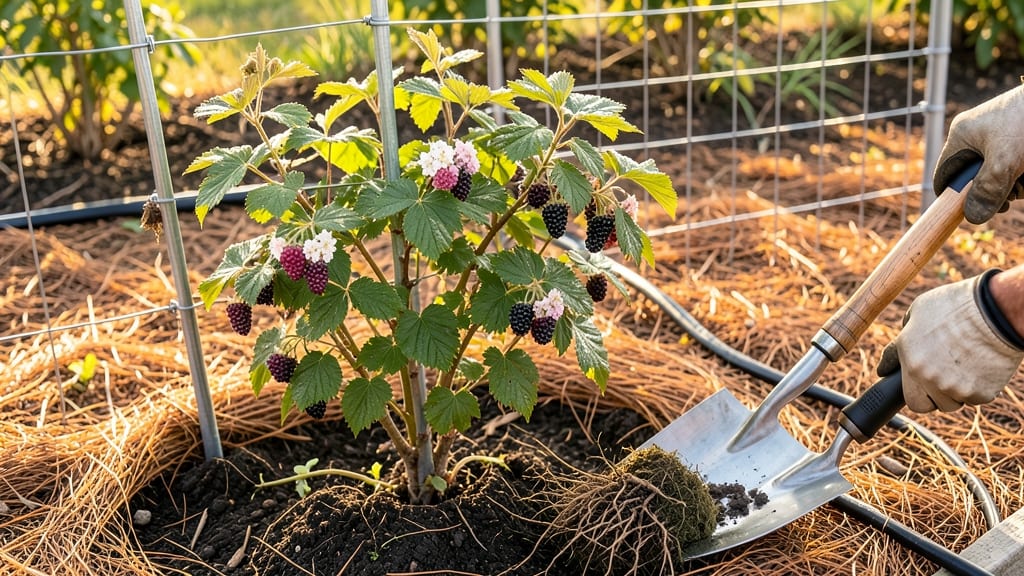
Timing your blackberry 🫐 planting in Florida isn't just about the calendar—it's about matching varieties to your region's chill hours for a harvest that actually delivers. Skip the guesswork, and you could end up with sparse canes or berries that never fully ripen, no matter how much you water them.
Florida's climate is tricky: North Florida's cooler winters (zones 8a-9a) need varieties that tolerate 300-500 chill hours, while South Florida's near-tropical heat (zones 10a-11) thrives with varieties needing 0-300 chill hours
Plant too early, and frost zaps your young canes; too late, and summer's brutal heat stunts growth before fruiting season even arrives. I've spent years growing blackberries across Florida's zones, and the sweet spot for planting is late winter to early spring—just as the last frost passes (typically January-March in most regions). This gives your plants 120 days to establish roots before the heat peaks, setting you up for a late spring to summer harvest when berries are plump and sweet. Ready to avoid the common mistakes that kill Florida blackberry yields? Let's break down the exact planting windows, soil prep secrets, and variety choices that'll turn your garden into a berry bonanza—without the frustration.
Best planting months for blackberries in Florida by chill-hour zone
Florida’s climate is unique—with no winter chill in the south and moderate chill in the north—so planting blackberries requires strategy. The chill-hour zone determines which varieties thrive, and timing is everything.
Plant too early, and your canes may struggle with heat; too late, and they won’t establish roots before summer’s intensity.
Florida spans three chill-hour zones: 0–300 (South), 300–500 (Central), and 500+ (North). Each zone dictates the best planting window—typically November through February—to align with natural dormancy cycles.
For example, South Florida’s warm winters (Zone 0–300) favor fall planting of everbearing varieties, while North Florida’s cooler winters (Zone 500+) benefit from early spring planting.
Soil prep is just as critical as timing. Blackberries demand well-draining, slightly acidic soil (pH 5.5–6.5) and a sunny location with 6–8+ hours of light daily. Amend heavy clay soils with compost or sand to prevent root rot, and avoid planting in low-lying areas where water pools.
Here’s how Florida’s chill-hour zones break down for optimal planting:
| Zone | Chill Hours | Best Planting Month | Soil Prep Tip | Climate Note |
|---|---|---|---|---|
| South Florida | 0–300 | November–December | Add compost + sand for drainage | Minimal winter chill; use everbearing types |
| Central Florida | 300–500 | January–February | Test pH; amend if >6.5 | Moderate chill; plant after last frost |
| North Florida | 500+ | February–March | Mulch heavily to retain moisture | Cooler winters; plant after frost risk |
🌱 Pro Tip: Bare-root canes establish faster than potted plants in Florida’s heat.
For North Florida (e.g., Jacksonville, Gainesville), aim for late February planting to avoid early spring heatwaves. In Central Florida (e.g., Orlando, Tampa), January is ideal—just before the dry season begins.
Meanwhile, South Florida (e.g., Miami, Fort Lauderdale) gardeners should plant in November to take advantage of cooler temperatures and higher humidity.
Microclimates matter too! Coastal areas (like St. Petersburg) stay warmer longer, while inland spots (like Lakeland) may experience earlier frosts. Use a local frost calendar to guide your timing—especially if you’re in Zone 8a or below, where unexpected cold snaps can damage young plants.
After planting, mulch heavily (3–4 inches of pine straw or wood chips) to conserve moisture and suppress weeds. Blackberries are thirsty plants, but overwatering leads to root rot, a common Florida pitfall. Water deeply once a week in the first month, then taper to bi-weekly once established.
Finally, trellis systems are non-negotiable in Florida. Without support, canes sprawl uncontrollably, inviting pests like birds and diseases from poor airflow. Install a T-post trellis at planting to give vines structure as they grow—this also makes harvesting easier during Florida’s humid summers.
Timing your blackberry planting to Florida’s chill-hour zones and microclimates sets the stage for a productive harvest. Get it right, and you’ll enjoy sweet, juicy berries from May through July. Get it wrong, and you might end up with stunted growth or no fruit at all.
Best planting months for blackberries in Florida by chill-hour zone
Florida’s climate isn’t one-size-fits-all when it comes to blackberries. The state spans three chill-hour zones, each requiring different timing for optimal growth. North Florida (500+ chill hours) can handle traditional varieties, while Central (300–500 hours) and South Florida (0–300 hours) need heat-tolerant types.
Planting at the wrong time risks stunted growth or no fruit at all.
For North Florida, aim for November to February—cooler temps help roots establish before summer heat. Central Florida gardeners should plant in January to early March, while South Florida’s warmer winters allow planting from December to February.
Always check your last frost date to avoid early planting shocks.
Soil prep is just as critical as timing. Blackberries thrive in well-draining, slightly acidic soil (pH 5.5–6.5). Work in 2–3 inches of compost and a balanced fertilizer (10-10-10) before planting. Avoid heavy clay soils, which cause root rot in Florida’s humid climate.
| Zone | Chill Hours | Best Planting Window | Soil Prep Tip |
|---|---|---|---|
| North Florida | 500+ | November–February | Add mulch to retain moisture |
| Central Florida | 300–500 | January–Early March | Test pH; amend if >6.5 |
| South Florida | 0–300 | December–February | Use raised beds for drainage |
After planting, water deeply once a week for the first month to encourage root growth. Avoid overhead watering, which spreads fungal diseases like anthracnose—common in Florida’s humidity. A drip irrigation system keeps foliage dry while delivering moisture directly to roots.
Blackberries in Florida also need 6–8 hours of full sun daily. Choose a site with morning sun and afternoon shade if possible, especially in South Florida’s intense heat.
Without enough light, canes grow weak, and fruit production suffers. Prune suckers aggressively in late winter to redirect energy to fruiting canes.
Remember: Patience pays off. Established plants in Florida can produce fruit within 1–2 years, but proper timing and care from day one set the stage for years of bountiful harvests. Start with the right variety and zone, and your blackberries will thrive in Florida’s unique climate.