
Plants
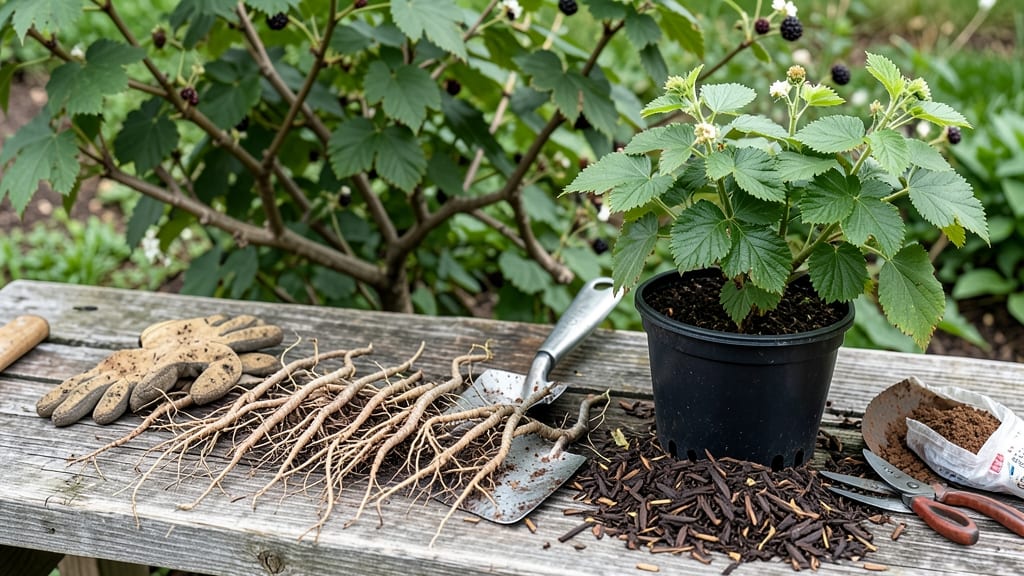
Planting blackberries in Georgia at the wrong time could mean struggling with heat stress or failing to meet their chill-hour needs—both of which can ruin your harvest before it even starts.
The key to success lies in understanding your local climate zone and the ideal 60-day window for transplanting these 🫐 powerhouses.
In Georgia’s 7b-8b zones, late winter to early spring (February–March) is your best bet for bare-root canes, while fall (September–October) works for container-grown plants. Timing isn’t just about the calendar—it’s about avoiding late frosts and ensuring your berries get enough winter chill to thrive.
Whether you’re a first-time gardener or a seasoned grower, getting this right means healthier plants, bigger yields, and fewer headaches with pests or disease. I’ll break down exactly how to sync your planting with Georgia’s unique growing conditions so you can enjoy those juicy berries all summer long.
From soil prep to post-planting care, here’s everything you need to know to plant blackberries like a pro—and avoid the most common mistakes that trip up even experienced gardeners.
Georgia’s blackberry planting timeline: chill-hours vs. heat-Zone deadlines
Georgia’s USDA Zones 7b-8b create a unique challenge for blackberry growers—balancing 300-1,000 chill hours with sweltering summer heat. Unlike northern states, Georgia’s mild winters mean many varieties need strategic planting windows to avoid heat stress before dormancy breaks.
Timing isn’t just about months; it’s about soil temperatures, variety chill requirements, and even moon phases for optimal root establishment.
For primocane-bearing varieties (like ‘Arapaho’), the ideal window spans late February to early April, when soil temps hit 50°F+. Fall planting (September–October) works for floricane-bearing types (e.g., ‘Natchez’) to let roots establish before winter.
Miss these windows, and you risk weak canes, poor fruiting, or even plant death from heat shock.
Here’s the critical timeline for Georgia growers, broken down by variety type and chill-hour needs:
📅 Georgia Blackberry Planting Summary
| Variety Type | Chill Hours Needed | Best Planting Window | Soil Temp Requirement | Key Risks |
|---|---|---|---|---|
| Primocane (e.g., 'Arapaho') | 300–500 hrs | Late Feb–Early Apr | 50°F+ | Heat stress, anthracnose |
| Floricane (e.g., 'Natchez') | 600–900 hrs | Sep–Early Oct | 60°F+ | Late frost damage |
| Low-Chill (e.g., 'Chester') | 200–400 hrs | Jan–Feb or Oct–Nov | 45°F+ | Poor fruiting |
🌱 Pro Tip: Use a soil thermometer to confirm temps—planting too early in cold soil delays root growth.
Georgia’s coastal regions (Zone 8a) can push planting into January for low-chill varieties, while the Piedmont (Zone 7b) may need to wait until March. Always check your local frost-free dates—Atlanta’s average last frost is March 15, but coastal Savannah can be weeks earlier.
For bare-root plants, soak roots for 2–4 hours before transplanting to reduce shock.
If you’re planting in fall (September–October), focus on high-chill varieties like ‘Ouachita’ to ensure they meet dormancy requirements. Avoid planting after October 15, as new roots won’t establish before winter. For container-grown blackberries, the window extends slightly—plant in March or November to account for root-bound stress.
One common mistake? Planting floricane varieties in spring. These need winter chill to fruit, so spring planting often results in no berries that first year. Instead, plant them in fall and prune old canes in late winter to encourage new growth.
Use drip irrigation during establishment to keep soil consistently moist—drought stress in Georgia’s summer can kill young plants in weeks.
For thornless varieties (like ‘Chester’), the planting window is more flexible due to lower chill needs, but they still require full sun and well-draining soil. Amend clay-heavy Georgia soils with compost or pine bark to improve drainage.
Mulch with straw or wood chips to retain moisture and suppress weeds—critical in Georgia’s humid summers.
Finally, monitor for pests like blackberry leaf curl or spider mites, which thrive in Georgia’s heat. Apply neem oil preventatively if planting in late summer. With the right timing, your blackberries will thrive—producing sweet, juicy fruit from May to August.
Ready to plant? Grab your soil thermometer and mark your calendar for March 1–April 15—the sweet spot for most Georgia growers. 🫐
How to time blackberry planting for Georgia’s soil & weather risks
Timing your blackberry planting in Georgia isn’t just about picking a month—it’s about syncing with the state’s spring moisture windows and avoiding weather pitfalls like late frosts or fungal outbreaks.
The ideal window for planting bare-root canes is March–April, when soil temperatures rise above 50°F but before summer heat stress hits. For container-grown plants, September–October works best, giving roots time to establish before winter dormancy.
Georgia’s humid climate means soil prep is critical. Aim for a pH of 5.5–6.5 and mix in 3–4 inches of compost to improve drainage and fertility. Poor soil prep often leads to root rot or nutrient deficiencies—both of which stunt growth and reduce yields.
Test your soil 4–6 weeks before planting to adjust amendments like lime or sulfur if needed.
⚠️ Watch for Georgia-Specific Risks
Late Frosts: Plant after March 15 (average last frost date) to avoid damaging tender new growth. Use row covers if frost warnings persist.
Anthracnose Fungus: Mulch with pine straw (not wood chips) to prevent spores from splashing onto canes. Space plants 4–6 feet apart for airflow.
Drought Stress: Water deeply 2–3 times per week after planting. Shallow watering encourages weak roots.
Mulching is a game-changer in Georgia’s heat. Apply 2–3 inches of organic mulch (like pine straw or shredded leaves) around the base of your blackberries to retain moisture, suppress weeds, and regulate soil temperature. Just avoid piling mulch against the stems—this can trap moisture and invite root rot.
If you’re planting in fall, focus on September to allow roots to establish before winter. Avoid late-October plantings, as cooler soils slow root growth and leave canes vulnerable to winter dieback.
Container-grown plants adapt better to fall planting than bare-root canes, so opt for potted varieties if you’re working on a tight schedule.
After planting, monitor for pests like spider mites (common in Georgia’s dry spells) and birds that target ripe berries. Install bird netting at first sign of pecking, and spray canes with water in the early morning to deter mites.
Prune out any weak or crossing canes in late winter to improve airflow and reduce disease risk.
With the right timing and care, your blackberries will thrive in Georgia’s climate—producing juicy, high-yield berries from late spring through summer. The key is staying ahead of the weather, prepping your soil, and giving your plants the support they need to establish strong roots before the heat sets in.