
Plants
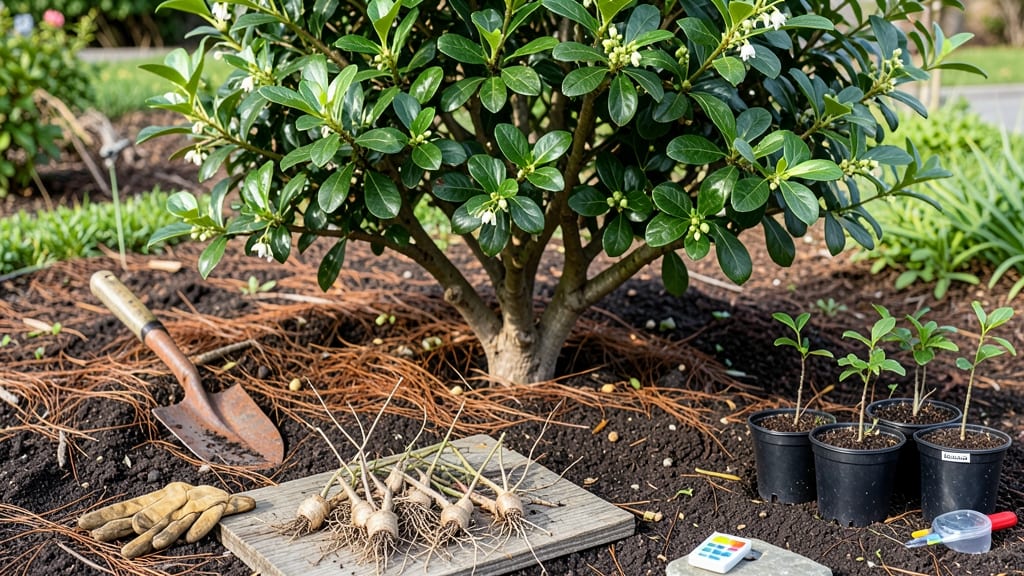
Planting blueberries in Indiana at the wrong time could mean the difference between a thriving 🫐 bush and one that struggles to survive your zone 5B-6A climate.
The key window—late March through early May—aligns perfectly with Indiana’s frost-free dates, giving your bushes the best shot at strong root growth before summer heat sets in.
Why does timing matter so much? Blueberries are finicky about cold, and planting too early risks frost damage, while waiting too late can leave them vulnerable before winter. I’ve seen firsthand how a few weeks’ difference can determine whether your bushes produce abundant harvests or barely survive.
In this guide, I’ll break down the exact planting windows for Indiana, including how to adjust for northern vs. southern microclimates. You’ll also learn whether bare-root or container-grown bushes work best for your schedule—and how to prep your soil for success.
Ready to grow blueberries that thrive in your backyard? Let’s get started with the perfect timing and tips to set your bushes up for years of sweet, juicy fruit.
Best planting windows for Indiana blueberries (zone 5B/6A)
Indiana’s Zone 5B/6A climate creates a tight window for planting blueberries—just 6-8 weeks between last frost and summer heat. The best time to plant is late March through early May or September to October, when soil temperatures hover between 40°F and 60°F for optimal root establishment.
Northern Indiana (Zone 5B) has earlier frost risks, while southern Indiana (Zone 6A) enjoys 2-3 extra weeks of growing season.
For spring planting, aim for after April 15 when the threat of frost has passed. Bare-root plants thrive in cool, moist soil, so avoid planting if temperatures exceed 70°F—roots can dry out before establishing.
Fall planting, however, offers longer root development before winter, making September the ideal month for most Indiana gardeners.
Here’s how to align your planting with Indiana’s frost-free dates and soil conditions for success:
| Planting Window | Soil Temp | Indiana Zone Adjustments | Key Consideration |
|---|---|---|---|
| Late March - Early April | 40°F - 50°F | Zone 6A only (southern IN) | Risk of late frost; protect with row covers |
| Mid-April - Early May | 50°F - 60°F | Best for all Indiana zones | Ideal for bare-root plants; soil is workable |
| September - Early October | 55°F - 65°F | Zone 5B (northern IN) preferred | 6-8 weeks before first frost; roots establish before winter |
| Late October - November | 45°F - 55°F | Zone 6A only (limited time) | Risk of early frost; prioritize container-grown plants |
If you’re in northern Indiana (Zone 5B), prioritize fall planting in September—this gives roots 3-4 months to establish before winter. Southern Indiana gardeners can stretch their window into early November, but avoid planting after October 15 to prevent frost damage to tender new growth.
For container-grown blueberries, you have more flexibility—plant anytime the soil isn’t frozen, but spring or early fall still yields the best results. Containers warm up faster in spring, so monitor soil moisture closely to prevent drying.
Pro tip: Use a soil thermometer to confirm soil temps are above 40°F before planting. Cold soil slows root growth, leaving your bushes vulnerable to winter dieback or summer stress.
Indiana’s microclimates can shift planting success by weeks. For example, urban areas (like Indianapolis) may experience 2-3°F warmer soil temps than rural zones, giving you 5-7 extra days of planting time. Always check your local USDA frost maps and adjust accordingly.
Once planted, mulch heavily with pine needles or wood chips to maintain soil acidity and moisture. This is especially critical in Indiana’s alkaline soils, where blueberries struggle without proper amendments.
Timing isn’t just about the calendar—it’s about soil readiness. Test your soil’s pH (4.5-5.5) and drainage before planting. Blueberries hate soggy roots, so amend heavy clay soils with sand or compost to improve aeration.
With the right planting window and soil prep, your Indiana blueberries will reward you with harvests in 2-3 years—just in time for summer pies and smoothies! 🫐
Best planting windows for Indiana blueberries (zone 5B/6A)
Indiana’s Zone 5B/6A climate gives you two prime windows to plant blueberries: early spring (after last frost) or fall (before first frost).
Most gardeners in northern Indiana (like Gary or Fort Wayne) aim for late April to early May, while southern Indiana (like Louisville) can start as early as mid-March when soil warms to 40°F.
Fall planting (September-October) is ideal for bare-root bushes because cooler temps reduce transplant shock. However, avoid planting when frost is forecasted within 2 weeks, as tender roots won’t survive. Use mulch (3-4 inches) to insulate roots during winter.
Timing is critical: Planting too early risks frost damage to new growth, while late planting (after June 1) leaves bushes vulnerable to winter kill before establishing roots. Check your local USDA frost-free date—most of Indiana averages April 15 for northern regions and March 20 for southern.
| Planting Window | Soil Temp | Best For | Indiana Regions |
|---|---|---|---|
| Late March - Early April | 40°F+ | Container-grown bushes | Southern IN (Louisville, Evansville) |
| Late April - Early May | 45°F+ | Bare-root bushes | Northern IN (Fort Wayne, Gary) |
| September - October | 50°F+ | Fall establishment | Statewide (best for Zone 6A) |
For container-grown blueberries, you can plant 2 weeks earlier than bare-root varieties since their roots aren’t exposed. However, containers dry out faster—water daily in summer to prevent stress. If you’re unsure about frost dates, use frost cloth for the first 2 weeks after planting.
Pro tip: Plant northern-facing slopes in your yard first—they warm up faster in spring and delay frost exposure. Southern Indiana gardeners can push planting to early March if using row covers for extra protection. Always dig a 12-inch-deep hole to check drainage; blueberries hate soggy roots.
Remember, root establishment is your #1 priority. A well-timed planting in Indiana’s Zone 5B/6A gives bushes 6-8 weeks of growing season before winter dormancy—just enough time to develop a strong root system for year 2’s harvest. 🌱